
This booklist follows the UPSC Law syllabus topic by topic, from Constitutional and International Law in Paper I to Crimes, Torts, Contracts and Contemporary Legal Developments in Paper II. We have chosen the standard law school texts and free bare acts that toppers rely on, updated for the Bharatiya Nyaya Sanhita and the other new statutes, and tagged each by priority so you know what to read fully and what to consult only for specific topics.
Use this booklist together with the Law Optional syllabus, the topic-wise PYQs and the year-wise question papers. The previous year questions show you which chapters of these books UPSC actually asks from.
Jump to: Paper I: Constitutional and Administrative Law (Constitutional Law, topics 1–11) · Paper I: Constitutional and Administrative Law (Administrative Law, topics 12–16) · Paper I: International Law · Paper II: Law of Crimes · Paper II: Law of Torts · Paper II: Law of Contracts and Mercantile Law · Paper II: Contemporary Legal Developments
Some links on this page are Amazon affiliate links. If you buy through them, we may earn a small commission at no extra cost to you.
Paper I: Constitutional and Administrative Law (Constitutional Law, topics 1–11) – Best Books
Constitutionalism, fundamental rights, PIL and legal aid, DPSP and duties, the President, Governor, Supreme Court and High Courts, Centre-state relations, legislative privileges, services, emergency and amendment.
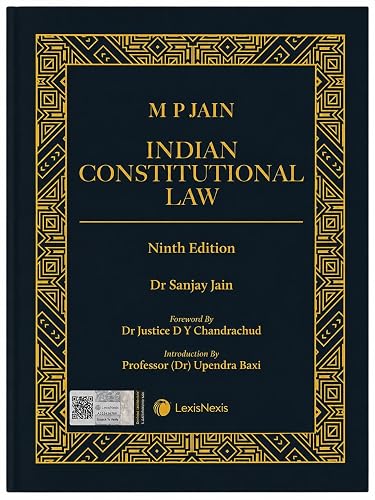
Indian Constitutional Law by M.P. Jain
Core
This is the standard text for Paper I constitutional topics, with the case law you need to quote. It is bulky, so read the chapters that match the syllabus and leave out the rest.
V.N. Shukla’s Constitution of India by V.N. Shukla, revised by Mahendra Pal Singh
Alternative
This is an article-wise commentary that many aspirants find easier to revise than M.P. Jain. Use it as your main book if you prefer to study article by article.
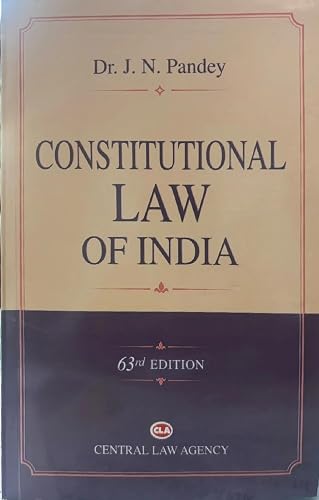
Constitutional Law of India by J.N. Pandey
Alternative
This is a compact, exam-oriented text. Toppers have suggested it for students who find M.P. Jain too long to finish, and it summarises the leading cases well.
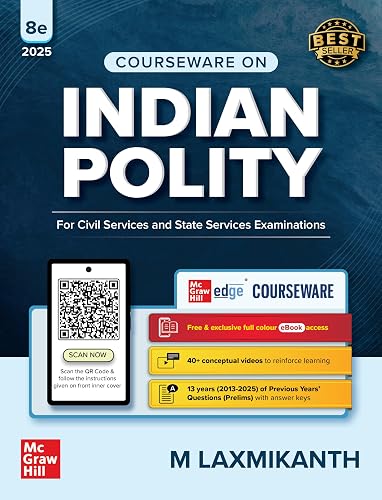
Indian Polity by M. Laxmikanth
Beginner
If you have no law background, start here for the basic framework of the Constitution before you read the case law in M.P. Jain or Shukla. You may already have it from GS preparation.
The Constitution of India (official text) by Legislative Department, Ministry of Law and Justice
Website
Keep the updated official text at hand and quote articles accurately in your answers. Read the articles of each syllabus topic before you read the commentary.
Supreme Court Observer by Supreme Court Observer
Website
Follow it for clear summaries of constitution bench cases and pending matters. These give you recent judgments to cite under fundamental rights, federalism and judicial review.

Preparing for Prelims too?
Our UPSC Prelims Topic-wise PYQ Book covers every Prelims question with detailed explanations, so you can see exactly where UPSC asks from. Now available as a hard copy and an eBook.
Buy Hard Copy on AmazonBuy eBook (PDF)Paper I: Constitutional and Administrative Law (Administrative Law, topics 12–16) – Best Books
Principles of natural justice, delegated legislation, separation of powers, judicial review of administrative action, and the Ombudsman (Lokpal and Lokayukta).
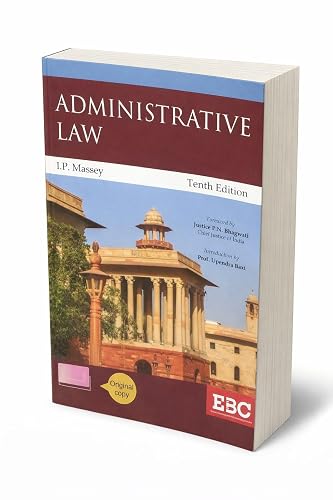
Administrative Law by I.P. Massey
Core
This is the standard text for administrative law. Read the chapters on natural justice, delegated legislation, judicial review and the Ombudsman fully, with their leading cases.
Lectures on Administrative Law by C.K. Takwani
Alternative
This is a shorter, lecture-style alternative to Massey that is quick to revise. Pick it if you want concise notes-like coverage.
Administrative Law by S.P. Sathe
Reference
Consult it for a more analytical view of separation of powers and judicial review. That helps in answers that ask you to critically examine a doctrine.
Lokpal and Lokayuktas Act, 2013 (bare act) by Government of India
Website
Books cover the Ombudsman topic only briefly, so read the bare act’s main provisions on India Code and make short notes.
Paper I: International Law – Best Books
Nature and sources, international and municipal law, recognition and succession, law of the sea, nationality and human rights, jurisdiction, extradition and asylum, treaties, the UN, dispute settlement, use of force, IHL, nuclear weapons, terrorism, the ICC, the WTO and environmental law.
International Law and Human Rights by S.K. Kapoor
Core
Toppers name this book most often for International Law. It covers most of the 15 topics in exam-friendly language, so read the syllabus chapters fully.
International Law and Human Rights by H.O. Agarwal
Alternative
This is a comparable Indian text to S.K. Kapoor, with clear chapter summaries. Choose one of the two as your main book.
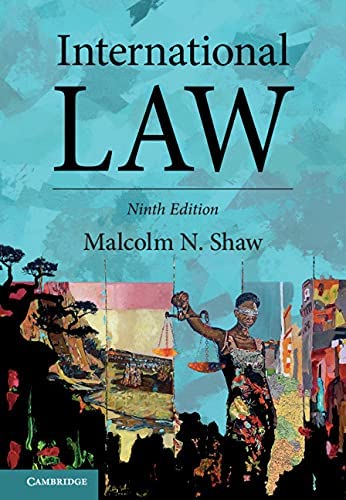
International Law by Malcolm N. Shaw
Reference
Use it for the nature of international law, the law of the sea and the use of force, where it gives more depth and case law. Read only those chapters.
United Nations Audiovisual Library of International Law by Codification Division, UN Office of Legal Affairs
Website
This free library has introductory notes and texts of major conventions. Toppers have used it for the later topics, such as terrorism, the ICC, nuclear non-proliferation and environmental law.
International Court of Justice: Cases and Advisory Opinions by International Court of Justice
Website
Read the summaries of key cases and advisory opinions, including the 1996 opinion on the legality of nuclear weapons. Short case references improve your answers.
Paper II: Law of Crimes – Best Books
Mens rea and actus reus, punishments, attempt, general exceptions, joint liability, abetment, conspiracy, offences against the state, public tranquillity, body, property and women, defamation, the Prevention of Corruption Act, the PCR Act and plea bargaining.
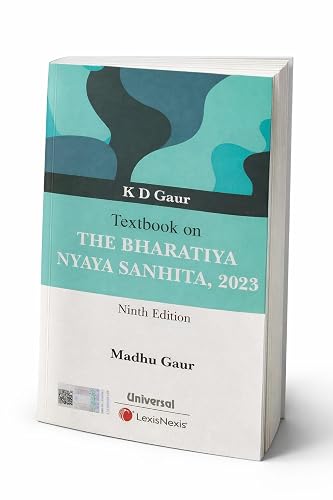
Textbook on the Bharatiya Nyaya Sanhita, 2023 by K.D. Gaur
Core
This is the student text for the new criminal code, with the old IPC section numbers noted. Read the general principles and the syllabus offences, and learn both the BNS and the IPC section numbers.
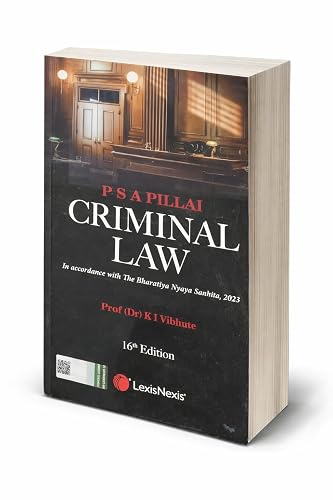
PSA Pillai’s Criminal Law by P.S. Atchuthen Pillai, revised by K.I. Vibhute
Alternative
This is a more analytical alternative to Gaur, updated for the BNS, and strong on mens rea and general exceptions. Toppers have read only the syllabus chapters.
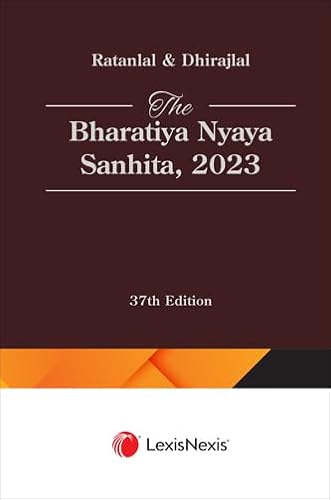
The Bharatiya Nyaya Sanhita, 2023 by Ratanlal and Dhirajlal
Reference
This section-by-section commentary is useful when you need the case law under a particular offence. Do not try to read it cover to cover.
Bare acts: BNS 2023, BNSS 2023, Prevention of Corruption Act 1988, Protection of Civil Rights Act 1955 by Government of India
Website
Read the bare text, including the illustrations under murder, theft and other offences. Use the BNSS chapter on plea bargaining and the PC and PCR Acts, which textbooks cover only briefly.

Strengthen your GS papers
Our UPSC Mains Topic-wise & Year-wise PYQ Book (2013–2026) maps every GS question to the syllabus, so you know what UPSC asks and how often. Now available as a hard copy and an eBook.
Buy Hard Copy on AmazonBuy eBook (PDF)Paper II: Law of Torts – Best Books
Nature of tort, fault-based, strict and absolute liability, vicarious and state liability, general defences, joint tortfeasors, remedies, negligence, defamation, nuisance, conspiracy, false imprisonment, malicious prosecution and consumer protection.
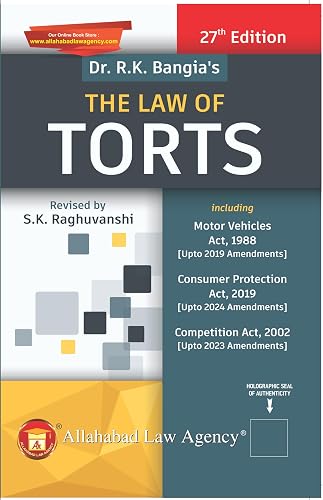
Law of Torts with Consumer Protection Act by R.K. Bangia
Core
This book covers the torts syllabus well, including consumer protection, and is the most common choice among toppers. It is hard to revise directly, so make short notes with the leading cases as you read.
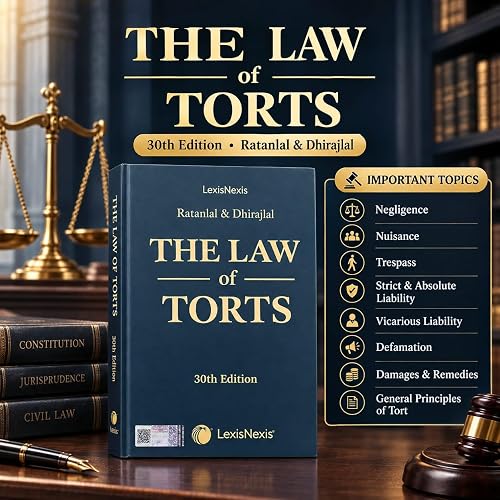
The Law of Torts by Ratanlal and Dhirajlal
Alternative
This is the classic Indian treatise on torts, with more case law than Bangia. Use it as your main book if you want depth, or for selected topics such as vicarious and state liability.
Consumer Protection Act, 2019 (bare act) by Government of India
Website
The syllabus still names the 1986 Act, but you should answer from the 2019 Act. Read its provisions on consumer rights, the CCPA, product liability and the commissions.
Paper II: Law of Contracts and Mercantile Law – Best Books
Formation and e-contracts, free consent, void and voidable agreements, performance and discharge, quasi-contracts, breach, indemnity, guarantee and insurance, agency, sale of goods and hire purchase, partnership, negotiable instruments, arbitration and standard form contracts.
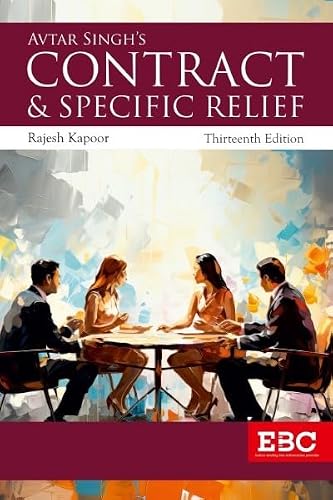
Contract and Specific Relief by Avtar Singh
Core
This is the standard contract law text that toppers use. Read the chapters on formation, consent, void agreements, discharge, quasi-contracts, breach, indemnity, guarantee and agency fully.
Principles of Mercantile Law by Avtar Singh
Core
Use it for the mercantile half: sale of goods and hire purchase, partnership and negotiable instruments. It saves you buying a separate book for each Act.
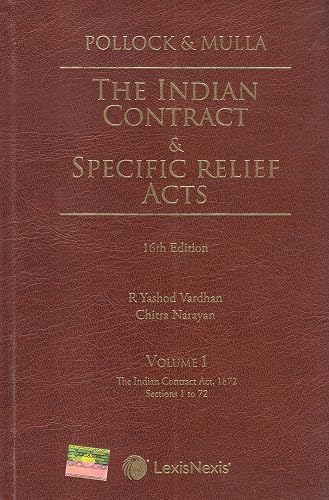
Pollock and Mulla: The Indian Contract and Specific Relief Acts by Pollock and Mulla
Reference
This is the authoritative commentary. Consult it only when you need case law on a particular section.
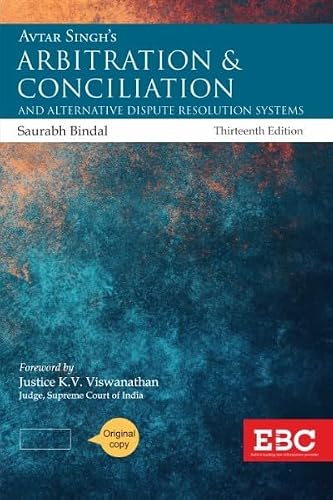
Law of Arbitration and Conciliation by Avtar Singh
Reference
Use the chapters on the arbitration agreement, appointment of arbitrators, interim measures and setting aside awards for topic 12, and keep track of the amendments to the 1996 Act.
Bare acts: Indian Contract Act, Sale of Goods Act, Partnership Act, Negotiable Instruments Act, Arbitration and Conciliation Act by Government of India
Website
Read the sections and illustrations of each Act alongside your textbook. Quoting the exact section adds weight to your answers.
Paper II: Contemporary Legal Developments – Best Books
Public interest litigation, intellectual property rights, IT and cyber law, competition law, alternative dispute resolution, environmental statutes, the Right to Information Act and trial by media.
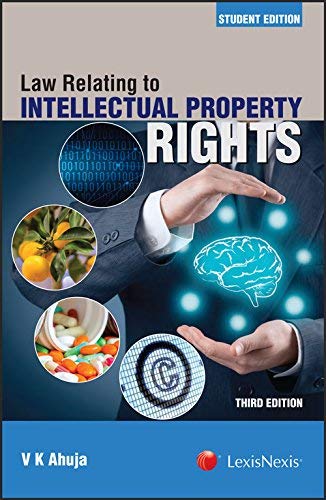
Law Relating to Intellectual Property Rights by V.K. Ahuja
Reference
Use it for the concepts, types and prospects of IPR: patents, copyright, trademarks and geographical indications. Read selectively, since only one syllabus topic is on IPR.
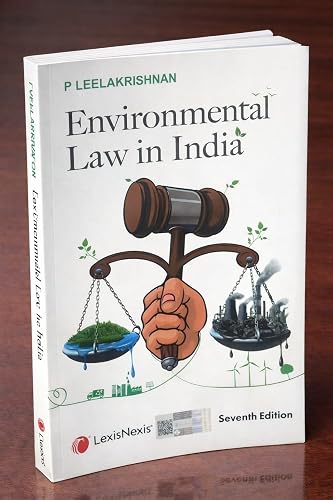
Environmental Law in India by P. Leelakrishnan
Reference
Consult the chapters on the major environmental statutes and the leading Supreme Court cases. This covers topic 6 in enough depth.
Nishith Desai Associates: Research Papers by Nishith Desai Associates
Website
These free primers on IPR, competition law, IT law and arbitration are detailed and up to date. Toppers have found them very useful for this section.
Law Commission of India: Reports by Law Commission of India
Website
Read selected reports, such as the 200th Report on trial by media, for topics that textbooks cover briefly.
Competition Commission of India by Competition Commission of India
Website
Use CCI’s advocacy booklets and major orders on anti-competitive agreements and abuse of dominance for the competition law topic.
LiveLaw by LiveLaw
Website
Follow it daily or weekly for new judgments and legislation, including PIL, RTI, data protection and cyber law. Note one or two recent cases for each syllabus topic.
How to use this Law Optional booklist
- The new criminal laws (BNS, BNSS and BSA) have been in force since 1 July 2024, but the syllabus still reads as it did under the IPC. Learn both section numbers and cite the BNS first.
- Read the bare act before the commentary for every topic. Exact sections, illustrations and case names separate a law answer from a general one.
- Keep a case-law diary arranged by syllabus topic, with one line per case (facts, ratio, year), and revise it every week.
- Contemporary Legal Developments and the later International Law topics change every year, so build notes from LiveLaw, Law Commission reports and UN sources instead of relying only on books.
- Where an Act in the syllabus has been replaced (such as the Consumer Protection Act, 1986), answer from the current Act and briefly mention the old one.
- Practise past papers topic by topic. Many questions repeat with small changes, especially in Constitutional Law, Torts and Contracts.
Some books you find useful may not be on this list. Use them if they fall within the syllabus and help you answer previous year questions – that is the only test that matters. If you spot an outdated edition or a broken link, tell us on the Report an Error page.
FAQs
Which are the best books for Law Optional?
Our core picks, section by section – Constitutional and Administrative Law (Constitutional Law, topics 1–11): Indian Constitutional Law (M.P. Jain); Constitutional and Administrative Law (Administrative Law, topics 12–16): Administrative Law (I.P. Massey); International Law: International Law and Human Rights (S.K. Kapoor); Law of Crimes: Textbook on the Bharatiya Nyaya Sanhita, 2023 (K.D. Gaur); Law of Torts: Law of Torts with Consumer Protection Act (R.K. Bangia); Law of Contracts and Mercantile Law: Contract and Specific Relief (Avtar Singh), Principles of Mercantile Law (Avtar Singh). Each book above is tagged Core, Alternative, Reference, Beginner or Website, so you know what to read first.
Which book should I start Law Optional with?
If you are new to the subject, begin with Indian Polity (M. Laxmikanth), and then move to the Core books for each section.
Do I need to read every book on this list?
No. Read the Core books fully, choose only one book wherever we list an Alternative, and use Reference books only for specific topics. Keep your sources few and revise them several times.
Where can I find Law Optional previous year questions?
All Law Optional PYQs are on our topic-wise PYQs page, and full papers are on the year-wise question papers page. The syllabus page breaks each unit into numbered topics.
Last updated: 2 November 2026