
This is our booklist for Urdu Literature Optional, arranged by the UPSC syllabus: Paper I covers the development of the Urdu language and the history of Urdu literature and criticism, and Paper II prescribes prose and poetry texts. Paper II requires first-hand reading of the prescribed texts, so read each one in the original before any guide. Answers in both papers must be written in Urdu. We mark each book Prescribed, Core, Alternative, Reference or Beginner so you know what to read fully and what to consult.
We list the prescribed texts exactly as the UPSC syllabus names them, with the portion you must read. Paper II tests first-hand reading, so read each text in the original and use guides only alongside it. Where a book is hard to find in print, try the free sources we list, the Sahitya Akademi and university bookshops.
Jump to: Paper I Section A: Development of Urdu Language · Paper I Section B: Genres, movements and criticism · Paper II Section A: Prescribed texts (Prose) · Paper II Section B: Prescribed texts (Poetry)
Some links on this page are Amazon affiliate links. If you buy through them, we may earn a small commission at no extra cost to you.
Paper I Section A: Development of Urdu Language – Best Books
Old, Middle and New Indo-Aryan, Western Hindi and its dialects, theories of the origin of Urdu, Dakhani Urdu, and the social roots and features of Urdu (script, phonology, morphology, vocabulary).
Muqaddama-e-Tareekh-e-Zaban-e-Urdu (مقدمۂ تاریخ زبان اردو) by Masood Husain Khan
Core
This is our anchor for Section A. Read the chapters on Old, Middle and New Indo-Aryan, Western Hindi and its dialects, and the theories of the origin of Urdu in full; learn each theory with its proponent and one argument against it.
Dakan Mein Urdu (دکن میں اردو) by Nasiruddin Hashmi
Core
The standard book for Dakhani Urdu. Read the chapters on its origin, the Bahmani, Qutb Shahi and Adil Shahi periods and its main writers; note the linguistic features of Dakhani as you go.
Hindustani Lisaniyat (ہندوستانی لسانیات) by Mohiuddin Qadri Zore
Reference
Consult it for the Indo-Aryan background and the place of Urdu among the New Indo-Aryan languages. Read the chapters on the development of Indo-Aryan and on Urdu phonology.
Punjab Mein Urdu (پنجاب میں اردو) by Hafiz Mahmood Sherani
Reference
The source of the theory that Urdu took shape in Punjab. Read the opening argument so you can present and criticise Sherani’s view next to the Delhi and Deccan theories.
Lisani Mutale (لسانی مطالعے) by Gyan Chand Jain
Reference
A collection of essays on Urdu linguistics. Use the essays on script, phonology, morphology and vocabulary for part (d) of Section A.
Dastan-e-Zaban-e-Urdu (داستان زبان اردو) by Shaukat Sabzwari
Alternative
Pick this or Masood Husain Khan for the origin of Urdu. It surveys the main theories and the social and cultural roots of the language in readable prose.
Indo-Aryan and Hindi by Suniti Kumar Chatterji
Reference
An English work by the leading Indian linguist. Read the lectures on Old, Middle and New Indo-Aryan for a clear outline of the stages, then write your answer in Urdu.

Preparing for Prelims too?
Our UPSC Prelims Topic-wise PYQ Book covers every Prelims question with detailed explanations, so you can see exactly where UPSC asks from. Now available as a hard copy and an eBook.
Buy Hard Copy on AmazonBuy eBook (PDF)Paper I Section B: Genres, movements and criticism – Best Books
Poetry and prose genres, the Deccani, Delhi and Lucknow schools, the Sir Syed, Romantic and Progressive movements, Modernism, Urdu criticism from Hali to Suroor, and the essay.
Tareekh-e-Adab-e-Urdu (تاریخ ادب اردو) by Noorul Hasan Naqvi
Core
Our main history of Urdu literature for the exam. Read the chapters on each genre and on the Deccani, Delhi and Lucknow schools, the Sir Syed movement, the Romantic and Progressive movements and Modernism. It is compact enough to revise.
Urdu Adab ki Tanqeedi Tareekh (اردو ادب کی تنقیدی تاریخ) by Syed Ehtesham Husain
Alternative
Pick this or Naqvi. It reads Urdu literary history through its social background, which helps with the movements and with the Progressive approach.
Tareekh-e-Adab-e-Urdu (multi-volume) (تاریخ ادب اردو) by Jameel Jalibi
Reference
The most detailed history of classical Urdu literature. Consult the volumes on Deccani literature and the eighteenth century for depth on Wali, the Delhi school and the masnavi and marsia traditions.
Urdu Tanqeed ka Irtiqa (اردو تنقید کا ارتقا) by Ibadat Barelvi
Core
The standard account of the development of Urdu criticism. Read the chapters on Hali and Shibli and on the modern critics for part (c), and pair them with the primary texts below.
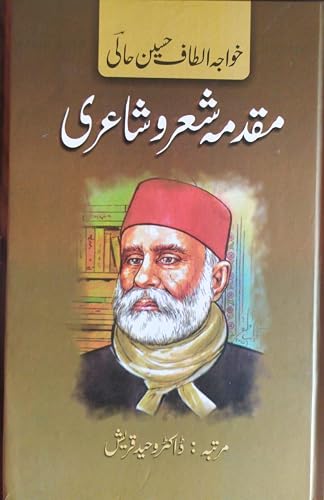
Muqaddama-e-Sher-o-Shairi (مقدمۂ شعر و شاعری) by Altaf Husain Hali
Core
Read Hali’s own text, the foundation of modern Urdu criticism. Note his views on the ghazal, on nature and simplicity in poetry, and his debt to English criticism.
Sher-ul-Ajam (شعر العجم) by Shibli Nomani
Reference
Read the theoretical part of Volume 4 on the nature of poetry, emotion and imagination; it is enough to write on Shibli as a critic.
Urdu Tanqeed par ek Nazar (اردو تنقید پر ایک نظر) by Kaleemuddin Ahmad
Reference
Read it for Kaleemuddin Ahmad’s own position, including his well-known severe judgement on Urdu criticism; questions often ask you to assess them.
Tanqeed Kya Hai (تنقید کیا ہے) by Ale Ahmad Suroor
Reference
Read the title essay and a few others for Suroor’s balanced, aesthetic approach to criticism.
Urdu Novel ki Tareekh aur Tanqeed (اردو ناول کی تاریخ اور تنقید) by Ali Abbas Husaini
Reference
Use it for the development of the novel from Nazir Ahmad and Sarshar to Premchand and after.
Urdu ki Nasri Dastanen (اردو کی نثری داستانیں) by Gyan Chand Jain
Reference
The standard study of the dastan. Read the chapters on the form and on Bagh-o-Bahar and Fasana-e-Ajaib; it also helps with Mir Amman in Paper II.
Urdu Mein Taraqqi Pasand Adabi Tehreek (اردو میں ترقی پسند ادبی تحریک) by Khalilur Rahman Azmi
Reference
Read it for the Progressive movement: its manifesto, its main writers and its critics.
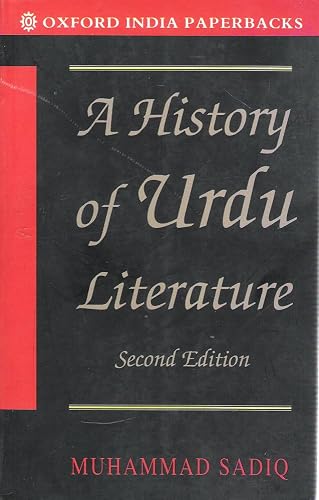
A History of Urdu Literature by Muhammad Sadiq
Beginner
An English survey that gives a clear map of the genres, schools and movements. Read it first if your Urdu reading is slow, then move to Naqvi.
Paper II Section A: Prescribed texts (Prose)
Mir Amman, Ghalib’s letters, Muhammad Husain Azad, Premchand, Rajinder Singh Bedi and Abul Kalam Azad.
Bagh-o-Bahar (باغ و بہار) by Mir Amman
Prescribed
Prescribed in full. Read the text itself in a good annotated edition; focus on its simple Delhi idiom, the Fort William College context and the dastan form.
Intikhab-e-Khutoot-e-Ghalib (انتخاب خطوط غالب) by Mirza Ghalib
Prescribed
The prescribed selection of Ghalib’s letters. Read the letters themselves; focus on how Ghalib made the letter conversational, his wit, and the picture of Delhi after 1857.
Nairang-e-Khayal (نیرنگ خیال) by Mohammad Husain Azad
Prescribed
Prescribed in full. Read the allegorical essays themselves; focus on Azad’s ornate prose style and his borrowing from English essayists.
Godan (گئودان) by Premchand
Prescribed
Prescribed in full. Read the Urdu text of the novel; focus on Hori and the peasant’s life, the village and city plots, and Premchand’s realism.
Apne Dukh Mujhe De Do (اپنے دکھ مجھے دے دو) by Rajinder Singh Bedi
Prescribed
Prescribed in full. Read the stories of this collection, including the title story; focus on Bedi’s women characters, myth and symbol, and his compressed style.
Ghubar-e-Khatir (غبار خاطر) by Abul Kalam Azad
Prescribed
Prescribed in full. Read the letters written in Ahmednagar Fort; focus on Azad’s learned, personal prose, his views on music, religion and solitude.
Rekhta by Rekhta Foundation
Website
Free Urdu texts of the prescribed poets and many prose works, with word meanings. Use it to read and reread the prescribed ghazals and nazms.
Rekhta e-Books by Rekhta Foundation
Website
A large free library of scanned Urdu books, where you will find older editions of many prescribed texts and of the histories of literature listed above.

Strengthen your GS papers
Our UPSC Mains Topic-wise & Year-wise PYQ Book (2013–2026) maps every GS question to the syllabus, so you know what UPSC asks and how often. Now available as a hard copy and an eBook.
Buy Hard Copy on AmazonBuy eBook (PDF)Paper II Section B: Prescribed texts (Poetry)
Mir, Mir Hasan, Ghalib, Iqbal, Firaq, Faiz and Akhtarul Iman.
Intikhab-e-Kalam-e-Mir (انتخاب کلام میر) by Mir Taqi Mir; ed. Maulvi Abdul Haq
Prescribed
The prescribed selection of Mir’s ghazals edited by Abdul Haq. Read the ghazals themselves and learn key shers; focus on grief, love, Mir’s simple diction and his place in the Delhi school.
Sehr-ul-Bayan (سحر البیان) by Mir Hasan
Prescribed
Prescribed in full. Read the masnavi itself; focus on the story of Benazir and Badr-e-Munir, its picture of Lucknow society and the qualities that make it the model Urdu masnavi.
Diwan-e-Ghalib (دیوان غالب) by Mirza Ghalib
Prescribed
Prescribed in full. Read the ghazals in a commentary edition and learn the well-known shers; focus on Ghalib’s thought, ambiguity, Persian diction and wit.
Yadgar-e-Ghalib (یادگار غالب) by Altaf Husain Hali
Reference
Hali’s biography of Ghalib with a study of his poetry and prose. Read it as a companion to both the letters and the Diwan.
Bal-e-Jibril (بال جبریل) by Muhammad Iqbal
Prescribed
Prescribed in full. Read the ghazals and the long poems, especially Masjid-e-Qurtuba and Saqi Nama; focus on khudi, ishq, time and Iqbal’s view of man.
Gul-e-Naghma (گل نغمہ) by Firaq Gorakhpuri
Prescribed
Prescribed in full. Read the ghazals and rubais of this collection; focus on Firaq’s sensuous love poetry and the Indian cultural strain in his idiom.
Dast-e-Saba (دست صبا) by Faiz Ahmad Faiz
Prescribed
Prescribed in full. Read the poems written largely in prison; focus on the blending of classical ghazal symbols with Progressive politics.
Bint-e-Lamhat (بنت لمحات) by Akhtarul Iman
Prescribed
Prescribed in full. Read the nazms themselves; focus on time, memory and the city in Akhtarul Iman’s modern free-verse nazm.
How to use this Urdu Literature Optional booklist
- Read every Paper II text in the original and keep a notebook of shers and short prose passages to quote; questions often give a passage for critical explanation.
- For the origin of Urdu, prepare one table of the main theories (Delhi, Punjab, Deccan, Braj and others) with the scholar behind each, and practise writing it as a balanced answer.
- Link Paper I and Paper II: Mir and Ghalib for the Delhi school, Mir Hasan for Lucknow and the masnavi, Mir Amman for the dastan, Azad and Ghalib for prose genres, Faiz for the Progressive movement.
- Read the primary critics themselves, at least Hali’s Muqaddama and parts of Shibli and Kaleemuddin Ahmad; answers that cite their own words score better than paraphrase from a history.
- Practise the Paper I essay in Urdu every week on literary and imaginative topics; neat script and correct idiom count.
- Solve the previous year questions for both papers; the same poets, movements and critics come back often.
Some books you find useful may not be on this list. Use them if they fall within the syllabus and help you answer previous year questions. If you spot a wrong title, an outdated edition or a broken link, tell us on the Report an Error page.
FAQs
Which are the best books for Urdu Literature Optional Paper I?
Our core picks, section by section – Development of Urdu Language: Muqaddama-e-Tareekh-e-Zaban-e-Urdu (Masood Husain Khan), Dakan Mein Urdu (Nasiruddin Hashmi); Genres, movements and criticism: Tareekh-e-Adab-e-Urdu (Noorul Hasan Naqvi), Urdu Tanqeed ka Irtiqa (Ibadat Barelvi), Muqaddama-e-Sher-o-Shairi (Altaf Husain Hali). Each book above is tagged so you know what to read first.
Which texts are prescribed for Urdu Literature Optional?
The UPSC syllabus prescribes 13 texts for first-hand reading: Bagh-o-Bahar (Mir Amman); Intikhab-e-Khutoot-e-Ghalib (Mirza Ghalib); Nairang-e-Khayal (Mohammad Husain Azad); Godan (Premchand); Apne Dukh Mujhe De Do (Rajinder Singh Bedi); Ghubar-e-Khatir (Abul Kalam Azad); Intikhab-e-Kalam-e-Mir (Mir Taqi Mir; ed. Maulvi Abdul Haq); Sehr-ul-Bayan (Mir Hasan); Diwan-e-Ghalib (Mirza Ghalib); Bal-e-Jibril (Muhammad Iqbal); Gul-e-Naghma (Firaq Gorakhpuri); Dast-e-Saba (Faiz Ahmad Faiz); Bint-e-Lamhat (Akhtarul Iman). We list the exact portions under each text above.
In which language must I write answers in Urdu Literature Optional?
Both papers must be answered in Urdu, as the UPSC syllabus states for Urdu Literature.
Do I need to read every book on this list?
Read every prescribed text in the original, since Paper II tests first-hand reading. For Paper I, read the Core books fully, choose only one book wherever we list an Alternative, and use Reference books only for specific topics. If you are new to the subject, begin with A History of Urdu Literature (Muhammad Sadiq).
Last updated: 2 November 2026