
This booklist covers the full UPSC Tamil Literature syllabus: the history of the Tamil language and literature, criticism, folklore and Tamil cultural heritage for Paper I, and every prescribed text for Paper II. Paper II requires first-hand reading of the prescribed texts, so we list each text with its prescribed portion and ask you to read the original, not only notes. Answers in both papers must be written in Tamil. We mark each book Prescribed, Core (read fully), Alternative (pick this or the core book), Reference (selected chapters) or Beginner (start here).
We list the prescribed texts exactly as the UPSC syllabus names them, with the portion you must read. Paper II tests first-hand reading, so read each text in the original and use guides only alongside it. Where a book is hard to find in print, try the free sources we list, the Sahitya Akademi and university bookshops.
Jump to: Paper I Section A: History of Tamil language and literature · Paper I Section B: Criticism, folk literature and cultural heritage · Paper II Section A: Prescribed texts (Ancient, epic and devotional poetry) · Paper II Section B: Prescribed texts (Modern literature and folk literature)
Some links on this page are Amazon affiliate links. If you buy through them, we may earn a small commission at no extra cost to you.
Paper I Section A: History of Tamil language and literature – Best Books
History of the Tamil language, Tolkappiyam and Sangam literature, ethical literature and the twin epics, devotional literature, minor forms and modern literature.
Tamil Mozhi Varalaru (தமிழ் மொழி வரலாறு) by Su. Sakthivel
Core
Our main book for Part 1. Read the chapters on the Dravidian family and Tamil’s place in it, the language of Sangam and Pallava-period Tamil, the historical development of nouns, verbs, tense and case markers, borrowings and dialects. Make short notes with examples for each grammatical change.
The Dravidian Languages by Bhadriraju Krishnamurti
Reference
Consult the opening chapters for the enumeration and distribution of Dravidian languages and their subgroups. Use it to add precise facts to your Tamil answers; do not read the whole book.
A Comparative Grammar of the Dravidian or South-Indian Family of Languages by Robert Caldwell
Reference
The classic work that first established the Dravidian family. Read the introduction for the history of the idea and quote Caldwell where the question asks about Tamil’s place among Indian languages.
Tamil Ilakkiya Varalaru (தமிழ் இலக்கிய வரலாறு) by Mu. Varadarasanar
Core
Our anchor for Parts 2 and 3. Read it in full: Tolkappiyam, Sangam literature and the akam-puram division, the ethical works, Silappadikaram and Manimekalai, the Alwars and Nayanmars, the minor literary forms and the rise of the novel, short story and new poetry.
Puthiya Nokkil Tamil Ilakkiya Varalaru (புதிய நோக்கில் தமிழ் இலக்கிய வரலாறு) by Tamilannal
Alternative
Pick this or Mu. Varadarasanar as your main literary history. It is more analytical and gives more space to social background and modern movements, which helps for the question on political ideologies in modern writing.
The Smile of Murugan: On Tamil Literature of South India by Kamil Zvelebil
Reference
An English survey by a leading Tamil scholar. Consult the chapters on Sangam poetry, bhakti and the minor forms for critical views you can cite; it is not a substitute for a Tamil literary history.
Tamil Virtual Academy (Tamil Digital Library) by Tamil Virtual Academy, Government of Tamil Nadu
Website
Free Tamil courses, classical texts with commentaries and a large digital library of scanned books. We recommend it for quick access to texts and older reference books.

Preparing for Prelims too?
Our UPSC Prelims Topic-wise PYQ Book covers every Prelims question with detailed explanations, so you can see exactly where UPSC asks from. Now available as a hard copy and an eBook.
Buy Hard Copy on AmazonBuy eBook (PDF)Paper I Section B: Criticism, folk literature and cultural heritage – Best Books
Recent trends in Tamil studies and approaches to criticism, comparative literature, folk literature, translation and journalism, and the cultural heritage of the Tamils.
Thiranaivuk Kalai (திறனாய்வுக் கலை) by Thi. Su. Natarasan
Core
Our main book for Part 1. Read the chapters on the social, psychological, historical and moralistic approaches and on literary techniques such as symbol, image, myth, allegory, satire and ambiguity. Learn each term with a Tamil example.
Oppiyal Ilakkiyam (ஒப்பியல் இலக்கியம்) by Ka. Kailasapathy
Reference
Use it for the concept and principles of comparative literature. Read the opening theoretical chapters and note one or two Tamil comparisons to use in answers.
Tamilar Nattuppadalgal (தமிழர் நாட்டுப் பாடல்கள்) by Na. Vanamamalai
Core
A standard collection of Tamil folk songs with Vanamamalai’s introduction. Read the introduction and the songs by category for the folk literature unit; the same editor prepared the prescribed Muthuppattan Kathai.
Tamizhaga Varalaru: Makkalum Panpadum (தமிழக வரலாறு: மக்களும் பண்பாடும்) by K. K. Pillai
Core
Our main book for Part 3. Read the chapters on Sangam society, the post-Sangam period, Jainism and Buddhism, and the art and architecture of the Pallavas, later Cholas and Nayaks. It gives you the historical facts to support cultural answers.
Tamil Heroic Poetry by K. Kailasapathy
Reference
Consult it for the concepts of love and war, the heroic ethos of puram poetry and the comparison with other heroic traditions. Read the chapters relevant to the ethical codes of war.
Project Madurai by Project Madurai
Website
Free electronic texts of Tamil classics and modern works, including Sangam anthologies, Tirukkural and Bharathi. Use it to read and search the texts when your printed edition is not at hand.
Paper II Section A: Prescribed texts (Ancient, epic and devotional poetry)
Kuruntokai, Purananuru, Tirukkural (Porutpal), Silappadikaram, Kambaramayanam, Tiruvasagam and Tiruppavai.
Kuruntokai (குறுந்தொகை) by Sangam anthology (standard annotated edition)
Prescribed
Prescribed: poems 1 to 25. Read each poem in the original with a commentary and learn its thinai, speaker and situation. Focus on akam conventions, imagery from the landscape and the use of ullurai and iraicchi.
Purananuru (புறநானூறு) by Sangam anthology (standard annotated edition)
Prescribed
Prescribed: poems 182 to 200, which include well-known poems such as 182 (Undal amma ivvulagam), 183 and 192 (Yaadhum oore yaavarum kelir). Read them in the original and focus on the ethical outlook, the poets and the occasions of the poems.
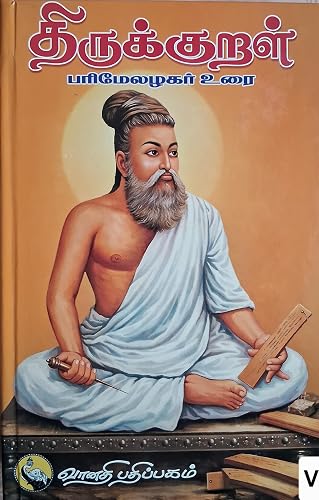
Tirukkural (Porutpal: Arasiyal and Amaichiyal) (திருக்குறள் (பொருட்பால்)) by Tiruvalluvar
Prescribed
Prescribed: Porutpal from Iraimatchi to Avaiyanjamai, that is the Arasiyal and Amaichiyal chapters. Learn the couplets with their meaning and be ready to explain Valluvar’s ideas on kingship, ministers, governance and statecraft.
Tirukkural Thelivurai (திருக்குறள் தெளிவுரை) by Mu. Varadarasanar
Reference
A clear, widely available modern commentary. We recommend it for quick, accurate meanings of the prescribed Porutpal couplets; add Parimelazhagar’s views where a question asks for traditional interpretation.
Silappadikaram (Madurai Kandam) (சிலப்பதிகாரம் (மதுரைக் காண்டம்)) by Ilango Adigal
Prescribed
Prescribed: Madurai Kandam only. Read it in the original with a standard commentary. Focus on Kovalan’s death, Kannagi’s challenge to the Pandya king, the themes of justice and karma, and the epic’s place as a citizen epic.
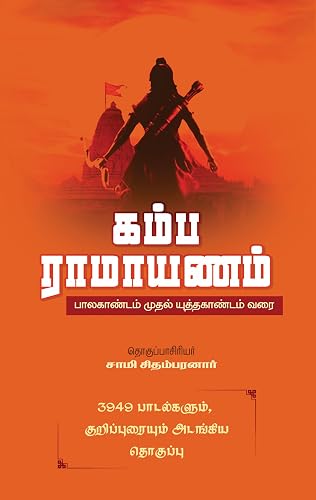
Kambaramayanam (Kumbakarunan Vadhai Padalam) (கம்பராமாயணம் (கும்பகருணன் வதைப் படலம்)) by Kambar
Prescribed
Prescribed: the Kumbakarna Vadhai Padalam of the Yuddha Kandam. Read the verses in the original. Focus on Kumbakarna’s character, his loyalty to Ravana, his dialogue with Vibhishana and Kambar’s poetic craft.
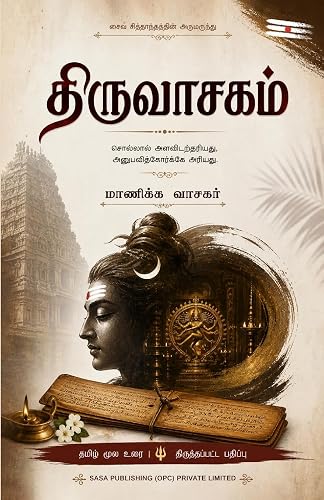
Tiruvasagam (Neetthal Vinnappam) (திருவாசகம் (நீத்தல் விண்ணப்பம்)) by Manikkavasagar
Prescribed
Prescribed: Neetthal Vinnappam. Read the original verses and focus on the devotee’s plea not to be forsaken, the emotional intensity of Saiva bhakti and its language.
Tiruppavai (திருப்பாவை) by Andal
Prescribed
Prescribed: the full text. Learn all thirty verses with meaning. Focus on the Margazhi vow, bridal mysticism, the collective voice of the young women and the imagery of the Vaishnava tradition.

Strengthen your GS papers
Our UPSC Mains Topic-wise & Year-wise PYQ Book (2013–2026) maps every GS question to the syllabus, so you know what UPSC asks and how often. Now available as a hard copy and an eBook.
Buy Hard Copy on AmazonBuy eBook (PDF)Paper II Section B: Prescribed texts (Modern literature and folk literature)
Modern poetry and prose, the novel, short story and drama, and two folk literature texts.
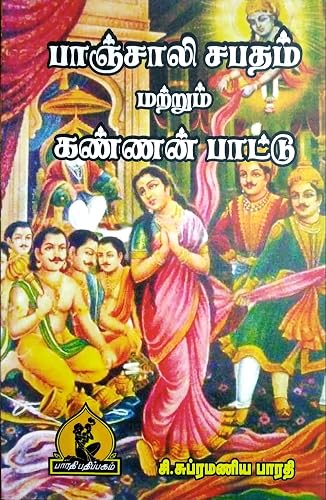
Kannan Pattu (கண்ணன் பாட்டு) by Subramania Bharathiar
Prescribed
Prescribed: Kannan Pattu. Read all the poems in the original. Focus on how Bharathi imagines Kannan in many relationships, such as friend, mother, servant and lover, and on the blend of bhakti and modern sensibility.
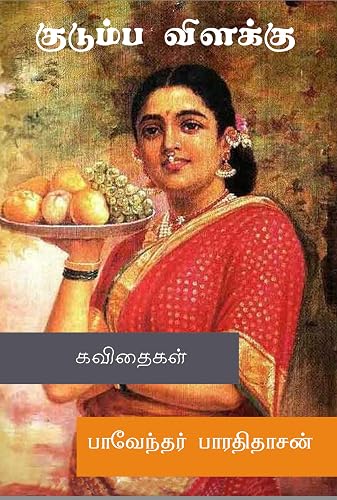
Kudumba Vilakku (குடும்ப விளக்கு) by Bharathidasan
Prescribed
Prescribed: Kudumba Vilakku. Read the full verse narrative. Focus on Bharathidasan’s ideal of family life, the educated woman and the rationalist and Tamil nationalist values behind it.
Karuppu Malargal (கறுப்பு மலர்கள்) by Na. Kamarasan
Prescribed
Prescribed: Karuppu Malargal (printed as Karappu Malarkal in the notification). Read the collection in the original and focus on the form of pudhukkavithai, its social concerns and its imagery.
Aramum Arasiyalum (அறமும் அரசியலும்) by Mu. Varadarasanar
Prescribed
Prescribed: Aramum Arasiyalum. Read the essays in full and note the author’s arguments on ethics and public life, his prose style and his use of classical Tamil sources.
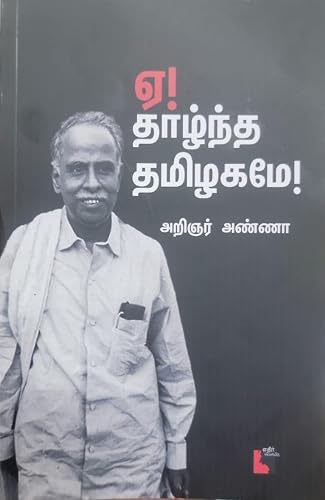
Ye! Thazhntha Tamizhagame (ஏ, தாழ்ந்த தமிழகமே!) by C. N. Annadurai
Prescribed
Prescribed: Ye! Thazhntha Tamizhagame. Read the full text and focus on Annadurai’s critique of Tamil society, the influence of the Self-Respect and Dravidian movements and his oratorical prose style.
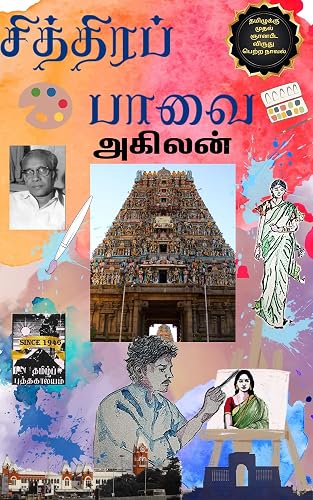
Chithirappavai (சித்திரப்பாவை) by Akilan
Prescribed
Prescribed: Chithirappavai (printed as Akilon, Chittairappavai). Read the novel in full and focus on its characters, its theme of art and idealism against the pull of money, and its narrative technique.
Gurupeedam (குருபீடம்) by Jayakanthan
Prescribed
Prescribed: Gurupeedam, a short story collection. Read every story and note the characters, Jayakanthan’s realism and his treatment of the marginalised and of middle-class morality.
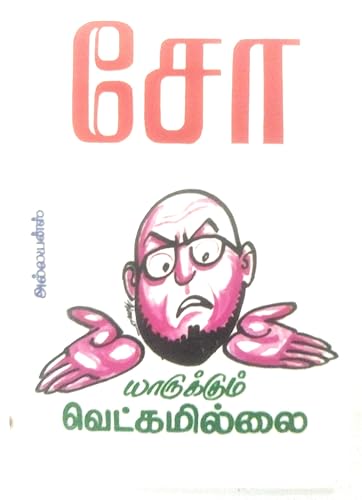
Yarukkum Vetkamillai (யாருக்கும் வெட்கமில்லை) by Cho Ramaswamy
Prescribed
Prescribed: Yarukkum Vetkamillai (printed as Yaurkkum Vetkamillai). Read the play in full and focus on its satire of public hypocrisy, its characters and its dramatic structure.
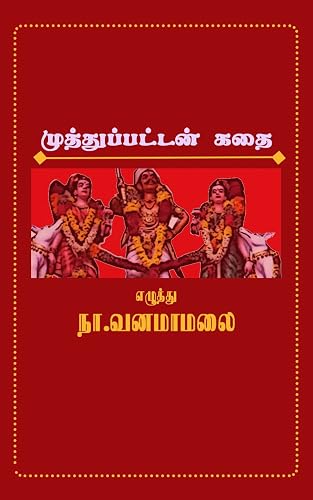
Muthuppattan Kathai (முத்துப்பட்டன் கதை) by Ed. Na. Vanamamalai (Madurai Kamaraj University)
Prescribed
Prescribed: Muthuppattan Kathai, a folk ballad from southern Tamil Nadu. Read the ballad and Vanamamalai’s introduction. Focus on its story of love across caste lines and sacrifice, its oral style and its social meaning.
Malaiyaruvi (மலையருவி) by Ed. Ki. Va. Jagannathan (Saraswathi Mahal, Thanjavur)
Prescribed
Prescribed: Malaiyaruvi, a collection of Tamil folk songs. Read the songs by type, such as work songs, lullabies and laments, and note the features of folk form and language.
Tamil Wikisource by Wikimedia
Website
Free Tamil texts, including many modern and folk works and scanned books. Use it to check passages from the prescribed texts.
How to use this Tamil Literature Optional booklist
- Read every prescribed poem in the original with a standard urai, and keep a notebook of the key lines of each text; Paper II questions often ask you to explain or critically assess a quoted passage.
- For the Sangam texts, learn the thinai, turai and speaker of each Kuruntokai poem and the poet and occasion of each Purananuru poem; these details lift a short answer.
- Use one history of literature as your spine (Mu. Varadarasanar or Tamilannal) and add examples from the prescribed texts, so that your Paper I and Paper II preparation support each other.
- Prepare the criticism unit with definitions and one Tamil example each for ullurai, iraicchi, thonmam, otturuvagam, angadam, padimam, kuriyeedu and irunmai; these terms are asked directly.
- Practise writing in formal Tamil under time pressure from the start; spelling, sandhi and clear paragraphing matter when every answer is in Tamil.
- Revise the previous year questions unit by unit; the cultural heritage and folk literature units repeat themes such as aram, the five thinais and ballads.
Some books you find useful may not be on this list. Use them if they fall within the syllabus and help you answer previous year questions. If you spot a wrong title, an outdated edition or a broken link, tell us on the Report an Error page.
FAQs
Which are the best books for Tamil Literature Optional Paper I?
Our core picks, section by section – History of Tamil language and literature: Tamil Mozhi Varalaru (Su. Sakthivel), Tamil Ilakkiya Varalaru (Mu. Varadarasanar); Criticism, folk literature and cultural heritage: Thiranaivuk Kalai (Thi. Su. Natarasan), Tamilar Nattuppadalgal (Na. Vanamamalai), Tamizhaga Varalaru: Makkalum Panpadum (K. K. Pillai). Each book above is tagged so you know what to read first.
Which texts are prescribed for Tamil Literature Optional?
The UPSC syllabus prescribes 17 texts for first-hand reading: Kuruntokai (Sangam anthology (standard annotated edition)); Purananuru (Sangam anthology (standard annotated edition)); Tirukkural (Porutpal: Arasiyal and Amaichiyal) (Tiruvalluvar); Silappadikaram (Madurai Kandam) (Ilango Adigal); Kambaramayanam (Kumbakarunan Vadhai Padalam) (Kambar); Tiruvasagam (Neetthal Vinnappam) (Manikkavasagar); Tiruppavai (Andal); Kannan Pattu (Subramania Bharathiar); Kudumba Vilakku (Bharathidasan); Karuppu Malargal (Na. Kamarasan); Aramum Arasiyalum (Mu. Varadarasanar); Ye! Thazhntha Tamizhagame (C. N. Annadurai); Chithirappavai (Akilan); Gurupeedam (Jayakanthan); Yarukkum Vetkamillai (Cho Ramaswamy); Muthuppattan Kathai (Ed. Na. Vanamamalai (Madurai Kamaraj University)); Malaiyaruvi (Ed. Ki. Va. Jagannathan (Saraswathi Mahal, Thanjavur)). We list the exact portions under each text above.
In which language must I write answers in Tamil Literature Optional?
Both papers must be answered in Tamil, as the UPSC syllabus states for Tamil Literature.
Do I need to read every book on this list?
Read every prescribed text in the original, since Paper II tests first-hand reading. For Paper I, read the Core books fully, choose only one book wherever we list an Alternative, and use Reference books only for specific topics.
Last updated: 2 November 2026