
This is our booklist for Santhali Literature Optional, arranged by the UPSC syllabus: Paper I Section A (history of Santhali language and literature), Paper I Section B (folk and modern literary forms and cultural heritage), and Paper II Section A (ancient literature) and Section B (modern literature). Paper II requires in-depth reading of the prescribed texts and tests your critical ability, so read each text in the original. The syllabus states that answers in both papers must be written in Santhali. We mark each book Prescribed, Core, Alternative, Reference or Beginner so you know what to read fully and what to consult.
We list the prescribed texts exactly as the UPSC syllabus names them, with the portion you must read. Paper II tests first-hand reading, so read each text in the original and use guides only alongside it. Where a book is hard to find in print, try the free sources we list, the Sahitya Akademi and university bookshops.
Jump to: Paper I Section A: History of Santhali language and literature · Paper I Section B: Literary forms and cultural heritage · Paper II Section A: Prescribed texts (Ancient literature: prose and poetry) · Paper II Section B: Prescribed texts (Modern literature)
Some links on this page are Amazon affiliate links. If you buy through them, we may earn a small commission at no extra cost to you.
Paper I Section A: History of Santhali language and literature – Best Books
Austric family, population and distribution; grammatical structure; phonology, morphology, syntax, semantics, translation, lexicography; impact of other languages; standardisation; four periods of literature and the writing tradition.
Ronor by Pandit Raghunath Murmu
Core
The grammar of Santhali by the creator of the Ol Chiki script. Use it for the grammatical structure, phonology and morphology units, and for the standard Santhali terms you will use in answers.
Santali Bhasha aur Sahitya: Udbhav aur Vikas by Doman Sahu ‘Samir’
Core
Our main Hindi source for both parts of Section A: the Austric family, the structure and standardisation of Santhali, and the four periods of Santhali literature. Read it in full.
Santali Bhasha O Sahityer Itihas by Dhirendranath Baske
Core
The standard Bengali history of Santhali language and literature. Use it for the periods of Santhali literature, the writing tradition and the missionary contribution.
Saontali Sahityer Itihas by Parimal Hembram
Alternative
Pick this or Baske for the history of literature. It is useful for the modern period and the writers listed in the syllabus.
Ad Parsi by Babulal Murmu ‘Adivasi’
Alternative
A study of the Santhali language by a writer named in the syllabus. Use it for the character of the language and the impact of other languages on Santhali.
Materials for a Santali Grammar by P.O. Bodding
Reference
The classic missionary grammar. Consult the parts on sounds and on word formation when you need precise examples for phonology and morphology; it is too detailed to read in full.
A Santal Dictionary by P.O. Bodding
Reference
The standard dictionary in five volumes. Use it for the lexicography unit and to check word meanings and borrowings; do not read it as a book.
The Munda Languages by Gregory D.S. Anderson (ed.)
Reference
Read the introduction and the Santali chapter for the Austric (Austroasiatic) family, the place of Santhali among the Munda languages and its distribution.
Linguistic Survey of India, Vol. IV by G.A. Grierson
Reference
Read only the Santali section for the classical classification and the early description of the language and its dialects.

Preparing for Prelims too?
Our UPSC Prelims Topic-wise PYQ Book covers every Prelims question with detailed explanations, so you can see exactly where UPSC asks from. Now available as a hard copy and an eBook.
Buy Hard Copy on AmazonBuy eBook (PDF)Paper I Section B: Literary forms and cultural heritage – Best Books
Folk literature (songs, tales, phrases, idioms, puzzles, kudum); development of modern poetry, novel, story, drama, criticism and essay with prominent writers; traditions, customs, festivals and rituals.
Santali Sawhed Reyak Omonom Ar Hara by Dr. K.C. Tudu
Core
We recommend this for the development of modern Santhali literature: poetry, novel, story, drama, criticism and essay, with their main writers. Make genre-wise notes on the writers named in the syllabus.
Santali Sawhed Reyak Nagam by Dr. Damayanti Beshra
Alternative
Pick this or Tudu for the history of modern genres. The author is herself one of the writers named in the syllabus.
Kudum by Dhirendranath Baske
Reference
A collection and study of Santhali riddles (kudum). Use it for the folk literature unit, which names kudum, puzzles, phrases and idioms.
Santal Folk Tales by P.O. Bodding
Reference
Bodding’s three-volume collection of Santal tales with translation. Use selected tales as examples for the folk tale part of Section B.
The Hill of Flutes by W.G. Archer
Reference
A study of Santal love, poetry and ritual by the compiler of Horh Sereng. Read the chapters on festivals, marriage and death rites for the cultural heritage unit, and on songs for folk literature.
Tribal Heritage: A Study of the Santals by W.J. Culshaw
Reference
A short study of Santal society, religion and customs. Use it for the cultural heritage unit: traditions, festivals and the rites of birth, marriage and death.
Santal Folk Tales by A. Campbell
Website
Free on Project Gutenberg. An early collection by a missionary of the Santal Mission; useful for folk tale examples and for the missionary period.
Folklore of the Santal Parganas by C.H. Bompas
Website
Free on Project Gutenberg. Translated from material collected by Bodding; use it for examples of folk tales and beliefs.
Paper II Section A: Prescribed texts (Ancient literature: prose and poetry)
Four prose works and nine song collections, from Kherwal Bonso Dhorom Puthi to Judasi Madwa Latar.
Kherwal Bonso Dhorom Puthi by Majhi Ramdas Tudu ‘Reska’
Prescribed
Ancient literature, prose. Read the full text in the original Santhali; the paper tests in-depth reading and critical ability. Focus on its account of Santal origin, religion and social customs, and its importance as an early work by a Santal writer.
Mare Hapramko Reyak Katha by L.O. Skrefsrud
Prescribed
Ancient literature, prose. Read the full text in the original Santhali; the paper tests in-depth reading and critical ability. This record of Santal traditions told by the guru Kolean was edited by the missionary Skrefsrud; focus on the creation story, clans, festivals and social institutions.
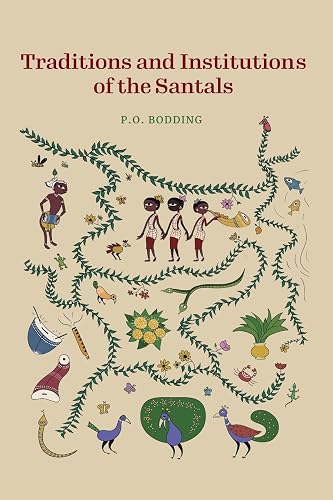
Traditions and Institutions of the Santals by L.O. Skrefsrud; translated by P.O. Bodding
Reference
The English translation of Mare Hapramko Reyak Katha. Use it alongside the Santhali original to understand difficult passages; it does not replace reading the original.
Jomsim Binti Lita by Mangal Chandra Turkulumang Soren
Prescribed
Ancient literature, prose. Read the full text in the original Santhali; the paper tests in-depth reading and critical ability. Focus on the binti (ritual narrative) tradition, its content and its place in Santal religious life.
Marang Buru Binti by Kanailal Tudu
Prescribed
Ancient literature, prose. Read the full text in the original Santhali; the paper tests in-depth reading and critical ability. Focus on the account of Marang Buru and the oral binti tradition it records.
Karam Sereng by Nunku Soren
Prescribed
Ancient literature, poetry. Read the full text in the original Santhali; the paper tests in-depth reading and critical ability. Link the songs with the Karam festival and note their themes and form.
Devi Dasain Sereng by Manindra Hansda
Prescribed
Ancient literature, poetry. Read the full text in the original Santhali; the paper tests in-depth reading and critical ability. Link the songs with the Dasain season and note their themes, form and occasion.
Horh Sereng by W.G. Archer
Prescribed
Ancient literature, poetry. Read the full text in the original Santhali; the paper tests in-depth reading and critical ability. Archer’s collection of Santal songs; note the kinds of songs, their occasions and their imagery.
Baha Sereng by Balaram Tudu
Prescribed
Ancient literature, poetry. Read the full text in the original Santhali; the paper tests in-depth reading and critical ability. Link the songs with the Baha (flower) festival and note their themes and form.
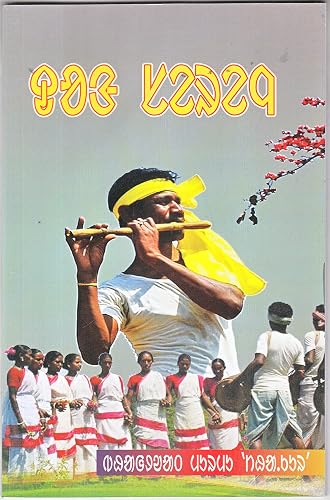
Dong Sereng by Bhagwat Murmu ‘Thakur’
Prescribed
Ancient literature, poetry. Read the full text in the original Santhali; the paper tests in-depth reading and critical ability. Focus on dong songs and their place in Santal life and ceremonies.
Hor Sereng by Pandit Raghunath Murmu
Prescribed
Ancient literature, poetry. Read the full text in the original Santhali; the paper tests in-depth reading and critical ability. Focus on the themes, form and language of these songs by the creator of Ol Chiki.
Soros Sereng by Babulal Murmu ‘Adivasi’
Prescribed
Ancient literature, poetry. Read the full text in the original Santhali; the paper tests in-depth reading and critical ability. Note the themes, form and occasions of the songs.
More Sin More Ndia by Rupchand Hansda
Prescribed
Ancient literature, poetry. Read the full text in the original Santhali; the paper tests in-depth reading and critical ability. Note the themes, form and occasions of the songs in the collection.
Judasi Madwa Latar by Tez Narayan Murmu
Prescribed
Ancient literature, poetry. Read the full text in the original Santhali; the paper tests in-depth reading and critical ability. Note the themes, form and imagery of the songs.

Strengthen your GS papers
Our UPSC Mains Topic-wise & Year-wise PYQ Book (2013–2026) maps every GS question to the syllabus, so you know what UPSC asks and how often. Now available as a hard copy and an eBook.
Buy Hard Copy on AmazonBuy eBook (PDF)Paper II Section B: Prescribed texts (Modern literature)
Poetry, novels, stories, drama and biography.
Onorhen Baha Dhalwak by Paul Jujhar Soren
Prescribed
Modern poetry. Read the full text in the original Santhali; the paper tests in-depth reading and critical ability. Focus on the poet’s themes, images and use of traditional song forms.
Asar Binti by Narayan Soren ‘Tore Sutam’
Prescribed
Modern poetry. Read the full text in the original Santhali; the paper tests in-depth reading and critical ability. Note its themes, form and the poet’s place in modern Santhali poetry.
Chand Mala by Gora Chand Tudu
Prescribed
Modern poetry. Read the full text in the original Santhali; the paper tests in-depth reading and critical ability. Note its themes, form and style.
Onto Baha Mala by Aditya Mitra ‘Santhali’
Prescribed
Modern poetry. Read the full text in the original Santhali; the paper tests in-depth reading and critical ability. Note its themes, form and the poet’s contribution.
Tiryo Tetang by Hari Har Hansda
Prescribed
Modern poetry. Read the full text in the original Santhali; the paper tests in-depth reading and critical ability. Note its themes, images and style.
Sisirjon Rar by Thakur Prasad Murmu
Prescribed
Modern poetry. Read the full text in the original Santhali; the paper tests in-depth reading and critical ability. Note its themes, form and the poet’s place among the writers named in Paper I.
Harmawak Ato by R. Carstairs; translated by R.K. Kisku Rapaz
Prescribed
Novel. Read the full text in the original Santhali; the paper tests in-depth reading and critical ability. This is the Santhali translation of Carstairs’s novel Harma’s Village; prepare the plot, characters and its picture of village life, and the qualities of the translation.
Manu Mati by Chandra Mohan Hansda
Prescribed
Novel. Read the full text in the original Santhali; the paper tests in-depth reading and critical ability. Prepare the plot, characters, themes and narrative technique.
Ato Orak by Doman Hansdak
Prescribed
Novel. Read the full text in the original Santhali; the paper tests in-depth reading and critical ability. Prepare the plot, characters, themes and the social life it depicts.
Ojoy Gada Dhiph re by Nathaniel Murmu
Prescribed
Novel. Read the full text in the original Santhali; the paper tests in-depth reading and critical ability. Prepare the plot, characters, setting and themes.
Jiyon Gada by Rupchand Hansda and Jadumani Beshra
Prescribed
Stories. Read the full text in the original Santhali; the paper tests in-depth reading and critical ability. Prepare the theme and craft of each story, and the two editors’ place among Santhali story writers.
Mayajaal by Doman Sahu ‘Samir’ and Bhagwat Murmu ‘Thakur’
Prescribed
Stories. Read the full text in the original Santhali; the paper tests in-depth reading and critical ability. Prepare the theme and craft of each story.
Kherwar Bir by Pandit Raghunath Murmu
Prescribed
Drama. Read the full text in the original Santhali; the paper tests in-depth reading and critical ability. Prepare the plot, characters, historical theme and stage qualities of the play, and its link with Santal identity.
Juri Khatir by Dr. K.C. Tudu
Prescribed
Drama. Read the full text in the original Santhali; the paper tests in-depth reading and critical ability. Prepare the plot, characters, themes and dramatic technique.
Birsa Bir by Ravi Lal Tudu
Prescribed
Drama. Read the full text in the original Santhali; the paper tests in-depth reading and critical ability. Prepare the plot and characters, and how the play presents Birsa Munda and the tribal struggle.
Santal Ko Ren Mayam Gohako by Dr. Biswanath Hansda
Prescribed
Biography. Read the full text in the original Santhali; the paper tests in-depth reading and critical ability. Note whose lives it covers, how the writer presents them, and its value as Santhali life writing.
Sahitya Akademi by Sahitya Akademi
Website
Check its Santali publications and award lists to place the modern writers and works in context.
How to use this Santhali Literature Optional booklist
- Write every answer in Santhali from the start, in the script you will use in the exam (Ol Chiki or Devanagari), and build a list of Santhali terms for grammar and literary criticism.
- Prepare the four periods of Santhali literature (before 1854, 1855 to 1889, 1890 to 1946, 1947 onwards) as one chart with writers, works and trends for each.
- Make a short profile of each writer named in Paper I Section B Part II: genre, main works and contribution; many of them are also authors of the Paper II texts.
- Collect examples of folk songs, tales, phrases, idioms and kudum (riddles), and link the songs to festivals such as Baha, Karam, Dasain and Sohrae for the cultural heritage unit.
- Read each prescribed text at least twice and note theme, form, characters and style, with a few lines you can quote in Santhali.
- Solve previous year papers and practise answers in Santhali under time limits; critical questions on the prescribed texts carry most of the marks in Paper II.
Some books you find useful may not be on this list. Use them if they fall within the syllabus and help you answer previous year questions. If you spot a wrong title, an outdated edition or a broken link, tell us on the Report an Error page.
FAQs
Which are the best books for Santhali Literature Optional Paper I?
Our core picks, section by section – History of Santhali language and literature: Ronor (Pandit Raghunath Murmu), Santali Bhasha aur Sahitya: Udbhav aur Vikas (Doman Sahu ‘Samir’), Santali Bhasha O Sahityer Itihas (Dhirendranath Baske); Literary forms and cultural heritage: Santali Sawhed Reyak Omonom Ar Hara (Dr. K.C. Tudu). Each book above is tagged so you know what to read first.
Which texts are prescribed for Santhali Literature Optional?
The UPSC syllabus prescribes 29 texts for first-hand reading: Kherwal Bonso Dhorom Puthi (Majhi Ramdas Tudu ‘Reska’); Mare Hapramko Reyak Katha (L.O. Skrefsrud); Jomsim Binti Lita (Mangal Chandra Turkulumang Soren); Marang Buru Binti (Kanailal Tudu); Karam Sereng (Nunku Soren); Devi Dasain Sereng (Manindra Hansda); Horh Sereng (W.G. Archer); Baha Sereng (Balaram Tudu); Dong Sereng (Bhagwat Murmu ‘Thakur’); Hor Sereng (Pandit Raghunath Murmu); Soros Sereng (Babulal Murmu ‘Adivasi’); More Sin More Ndia (Rupchand Hansda); Judasi Madwa Latar (Tez Narayan Murmu); Onorhen Baha Dhalwak (Paul Jujhar Soren); Asar Binti (Narayan Soren ‘Tore Sutam’); Chand Mala (Gora Chand Tudu); Onto Baha Mala (Aditya Mitra ‘Santhali’); Tiryo Tetang (Hari Har Hansda); Sisirjon Rar (Thakur Prasad Murmu); Harmawak Ato (R. Carstairs; translated by R.K. Kisku Rapaz); Manu Mati (Chandra Mohan Hansda); Ato Orak (Doman Hansdak); Ojoy Gada Dhiph re (Nathaniel Murmu); Jiyon Gada (Rupchand Hansda and Jadumani Beshra); Mayajaal (Doman Sahu ‘Samir’ and Bhagwat Murmu ‘Thakur’); Kherwar Bir (Pandit Raghunath Murmu); Juri Khatir (Dr. K.C. Tudu); Birsa Bir (Ravi Lal Tudu); Santal Ko Ren Mayam Gohako (Dr. Biswanath Hansda). We list the exact portions under each text above.
In which language must I write answers in Santhali Literature Optional?
Both papers must be answered in Santhali, as the UPSC syllabus states for Santhali Literature.
Do I need to read every book on this list?
Read every prescribed text in the original, since Paper II tests first-hand reading. For Paper I, read the Core books fully, choose only one book wherever we list an Alternative, and use Reference books only for specific topics.
Last updated: 2 November 2026