
This is our booklist for Sanskrit Literature Optional, arranged by the UPSC syllabus: Paper I (grammar, language, literary history, Indian culture and philosophy, essay and unseen passage) and Paper II (general study of the prescribed works and first-hand reading of selected verses and acts). Paper II Section B tests first-hand reading, so read the set portions in the original, in the editions the syllabus names. The syllabus requires some answers in Sanskrit: in Paper I the grammar question, the essay and the unseen passage, and in Paper II the Group 4 short notes and Section B Groups 1 and 2; the rest may be written in Sanskrit or your chosen medium. We mark each book Prescribed, Core, Alternative, Reference or Beginner so you know what to read fully and what to consult.
We list the prescribed texts exactly as the UPSC syllabus names them, with the portion you must read. Paper II tests first-hand reading, so read each text in the original and use guides only alongside it. Where a book is hard to find in print, try the free sources we list, the Sahitya Akademi and university bookshops.
Jump to: Paper I Section A: Grammar, language and literary history · Paper I Section B: Indian culture, philosophy, essay and unseen passage · Paper II Section A: General study of prescribed works · Paper II Section B: Selected texts for first-hand reading
Some links on this page are Amazon affiliate links. If you buy through them, we may earn a small commission at no extra cost to you.
Paper I Section A: Grammar, language and literary history – Best Books
Grammar (sanjna, sandhi, karaka, samasa, voice), Vedic and classical Sanskrit, contribution to linguistics, literary history, literary criticism, the epics and the literary genres.
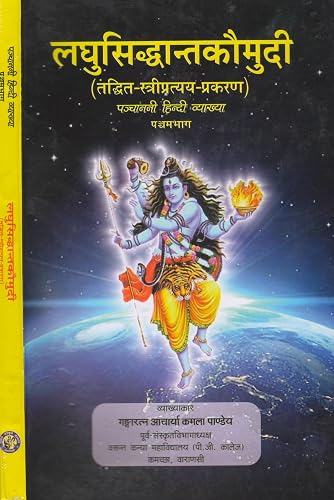
Laghusiddhantakaumudi (Bhaimi Vyakhya) (लघुसिद्धान्तकौमुदी (भैमी व्याख्या)) by Varadaraja; commentary by Bhimsen Shastri
Core
This is our anchor for the grammar question, which must be answered in Sanskrit. Read the Sanjna, Sandhi, Karaka (Vibhaktyartha), Samasa and the relevant tinanta parts for kartari and karmani prayoga, and learn the key sutras with one example each. You do not need the full Siddhantakaumudi.
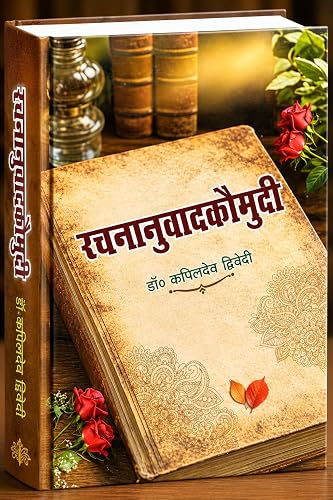
Rachananuvadakaumudi (रचनानुवादकौमुदी) by Kapildev Dwivedi
Core
We recommend this for applied grammar: sandhi, karaka, samasa and voice change (vachya parivartana) with graded exercises. Work through the exercises in writing; they also build the Sanskrit you need for the essay and the unseen passage.
Bhasha Vigyan evam Bhasha Shastra (भाषाविज्ञान एवं भाषाशास्त्र) by Kapildev Dwivedi
Core
Use it for unit 2: the features of Vedic Sanskrit (accent, forms, subjunctive, infinitives), the features of classical Sanskrit, and the contribution of Sanskrit to comparative philology and linguistics. Read only the chapters on Sanskrit and Indo-European.
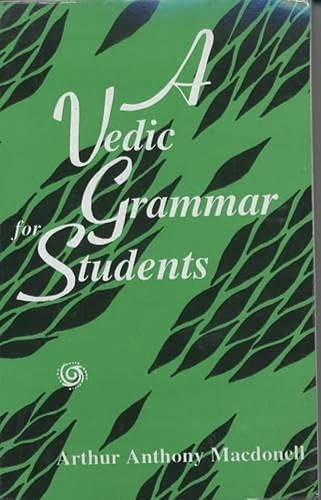
A Vedic Grammar for Students by A.A. Macdonell
Reference
Consult its introduction and the chapters on accent, nominal and verbal forms to give exact examples of how Vedic differs from classical Sanskrit. Do not study it in full.
Sanskrit Sahitya ka Itihas (संस्कृत साहित्य का इतिहास) by Baldev Upadhyaya
Core
Our main history of Sanskrit literature for Hindi-medium candidates. Read the chapters on the Ramayana, Mahabharata, Mahakavya, Rupaka, Katha, Akhyayika, Campu, Khandakavya and Muktaka, and the authors of the Paper II texts.
Sanskrit Sahitya ka Itihas (संस्कृत साहित्य का इतिहास) by Vachaspati Gairola
Alternative
Pick this or Baldev Upadhyaya, not both. It is well organised genre by genre and is useful for quick revision of authors and dates.
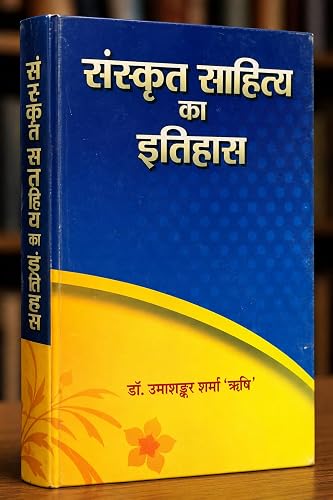
Sanskrit Sahitya ka Itihas (संस्कृत साहित्य का इतिहास) by Umashankar Sharma ‘Rishi’
Alternative
Another widely used Hindi history, close to university syllabi. Use it if you find it easier to revise than the other two; one history is enough.
A History of Sanskrit Literature by A.B. Keith
Core
The standard English history of classical Sanskrit literature. English-medium candidates should read the chapters on kavya, prose romance, fable and the drama, and use it for the origin and development of the literary genres.
A History of Sanskrit Literature by A.A. Macdonell
Reference
Read its Vedic chapters and the chapters on the two epics; it is concise and clear for the Ramayana and Mahabharata part of the syllabus.
A History of Indian Literature by M. Winternitz
Reference
Consult selected chapters: Volume I for the Ramayana and Mahabharata, Volume III for classical kavya and drama. It is detailed, so use it to deepen a topic, not as a first read.
History of Sanskrit Poetics by P.V. Kane
Reference
We recommend this for the principal trends of literary criticism: rasa, alamkara, riti, dhvani, vakrokti and aucitya schools and their main theorists. Read the summary of each school and note one definition in Sanskrit for each.

Preparing for Prelims too?
Our UPSC Prelims Topic-wise PYQ Book covers every Prelims question with detailed explanations, so you can see exactly where UPSC asks from. Now available as a hard copy and an eBook.
Buy Hard Copy on AmazonBuy eBook (PDF)Paper I Section B: Indian culture, philosophy, essay and unseen passage – Best Books
Purusharthas, samskaras, varnashrama, arts and technical sciences; the nine schools of Indian philosophy; short essay and unseen passage in Sanskrit.
Hindu Samskaras by Raj Bali Pandey
Core
The standard book for the samskaras, with the social and religious meaning of each. It also covers the purusharthas and the ashrama scheme in its opening chapters. A Hindi version (Hindu Samskar) is available.
History of Dharmasastra by P.V. Kane
Reference
Consult Volume II only, for varna, ashrama and samskara, when you need classical sources and exact references. Do not try to read the full set.
The Wonder That Was India by A.L. Basham
Beginner
Start here for the Indian culture unit. The chapters on society, the arts, language and literature, and science give a clear overview of arts, fine arts and technical sciences.
A Concise History of Science in India by D.M. Bose, S.N. Sen and B.V. Subbarayappa (eds.)
Reference
Use selected chapters for technical sciences: astronomy, mathematics, Ayurveda and chemistry. Note the Sanskrit texts and authors, as these are what questions ask about.
Bharatiya Darshan (भारतीय दर्शन) by Baldev Upadhyaya
Core
Our main book for the nine systems for Hindi-medium candidates: Mimamsa, Vedanta, Nyaya, Vaisesika, Sankhya, Yoga, Bauddha, Jaina and Carvaka. For each system note its pramanas, view of the self, and theory of liberation.
A Critical Survey of Indian Philosophy by Chandradhar Sharma
Core
The core English text for the philosophy unit. Read the chapters on the nine systems named in the syllabus; it explains key terms clearly. A Hindi version (Bharatiya Darshan: Alochan aur Anushilan) is also available.
An Introduction to Indian Philosophy by S.C. Chatterjee and D.M. Datta
Beginner
Start here if Indian philosophy is new to you. It is short and clear; move to Chandradhar Sharma or Baldev Upadhyaya after one reading.
Outlines of Indian Philosophy by M. Hiriyanna
Alternative
Pick this or Chandradhar Sharma for English medium. It is compact and precise on Nyaya-Vaisesika, Sankhya-Yoga, Mimamsa and Vedanta.
Sanskrit Nibandha Shatakam (संस्कृत निबन्ध शतकम्) by Kapildev Dwivedi
Core
We recommend this for the short essay in Sanskrit. Read a few model essays on culture, education, environment and the value of Sanskrit, then write your own of about 250 words; do not memorise whole essays.
Paper II Section A: General study of prescribed works
Group 1 kavya and prose (Raghuvamsa to Sivarajyodaya), Group 2 (Isavasya, Gita, Sundarakanda, Arthasastra), Group 3 drama (Bhasa to Bhattanarayana) and Group 4 short notes in Sanskrit.
Raghuvamsham (रघुवंशम्) by Kalidasa
Prescribed
General study for Section A: know the author, date, plot or contents, characters, style, rasa and the work’s place in its genre. Canto I, verses 1 to 10 are also set for first-hand reading in Section B.
Kumarasambhavam (कुमारसम्भवम्) by Kalidasa
Prescribed
General study for Section A: know the author, date, plot or contents, characters, style, rasa and the work’s place in its genre. Canto I, verses 1 to 10 are also set for first-hand reading in Section B.
Kiratarjuniyam (किरातार्जुनीयम्) by Bharavi
Prescribed
General study for Section A: know the author, date, plot or contents, characters, style, rasa and the work’s place in its genre. Prepare the idea of arthagaurava; Canto I, verses 1 to 10 are also set in Section B.
Shishupalavadham (शिशुपालवधम्) by Magha
Prescribed
General study for Section A: know the author, date, plot or contents, characters, style, rasa and the work’s place in its genre. Note Magha’s learning and the saying that he unites the qualities of Kalidasa, Bharavi and Dandin.
Naishadhiyacharitam (नैषधीयचरितम्) by Sriharsha
Prescribed
General study for Section A: know the author, date, plot or contents, characters, style, rasa and the work’s place in its genre. Focus on the Nala-Damayanti story, its learned style and its place among the five Mahakavyas.
Kadambari (कादम्बरी) by Banabhatta
Prescribed
General study for Section A: know the author, date, plot or contents, characters, style, rasa and the work’s place in its genre. Note its frame-story structure and long-compound prose style; the Sukanasopadesa is also set in Section B.
Dashakumaracharitam (दशकुमारचरितम्) by Dandin
Prescribed
General study for Section A: know the author, date, plot or contents, characters, style, rasa and the work’s place in its genre. Focus on the stories of the ten princes, its realism and its lively prose style.
Shivarajyodayam (शिवराज्योदयम्) by S.B. Varnekar
Prescribed
General study for Section A: know the author, date, plot or contents, characters, style, rasa and the work’s place in its genre. This is a modern Sanskrit Mahakavya on Chhatrapati Shivaji; note how it uses the classical Mahakavya form for a historical subject.
Ishavasyopanishad (ईशावास्योपनिषद्)
Prescribed
General study for Section A: place in the Shukla Yajurveda, contents and central teaching. Prepare its teaching on renunciation and action, vidya and avidya; verses 1, 2, 4, 6, 7, 15 and 18 are set in Section B.
Bhagavadgita (श्रीमद्भगवद्गीता)
Prescribed
General study for Section A: structure of the eighteen chapters and the main doctrines (karma, jnana and bhakti yoga, sthitaprajna, nishkama karma). Chapter II, verses 13 to 25 are set for first-hand reading in Section B.
Sundarakanda (Valmiki Ramayana) (सुन्दरकाण्ड (वाल्मीकि रामायण)) by Valmiki
Prescribed
General study for Section A: Hanuman’s crossing, the search in Lanka, the meeting with Sita and the burning of Lanka, with its poetic qualities. Canto 15, verses 15 to 30 are set in Section B.
Arthashastra (अर्थशास्त्रम्) by Kautilya
Prescribed
General study for Section A: date and authorship debate, the saptanga theory of the state, mandala theory, kingship, administration and law. Read a good translation with the Sanskrit text.
The Kautiliya Arthasastra by R.P. Kangle
Reference
Our recommended companion for the Arthashastra: the text, translation and a study volume. Read Part III (the study) for the themes asked in Section A.
Svapnavasavadattam (स्वप्नवासवदत्तम्) by Bhasa
Prescribed
General study for Section A: know the author, date, plot or contents, characters, style, rasa and the work’s place in its genre. Prepare the Bhasa problem (the Trivandrum plays) and the dream scene; Act VI is set in Section B.
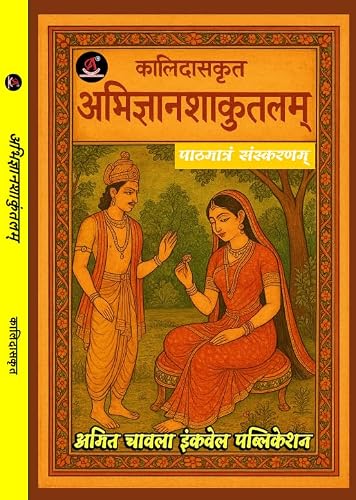
Abhijnanashakuntalam (अभिज्ञानशाकुन्तलम्) by Kalidasa
Prescribed
General study for Section A: know the author, date, plot or contents, characters, style, rasa and the work’s place in its genre. Prepare the characters, the curse motif and the critical views on Act IV; Act IV, verses 15 to 30 are set in Section B.
Mricchakatikam (मृच्छकटिकम्) by Sudraka
Prescribed
General study for Section A: know the author, date, plot or contents, characters, style, rasa and the work’s place in its genre. Note it as a prakarana, its social realism and its varied characters and Prakrits.
Mudrarakshasam (मुद्राराक्षसम्) by Vishakhadatta
Prescribed
General study for Section A: know the author, date, plot or contents, characters, style, rasa and the work’s place in its genre. Focus on its political plot of Chanakya and Rakshasa, the absence of a heroine and its link with the Arthashastra.
Uttararamacharitam (उत्तररामचरितम्) by Bhavabhuti
Prescribed
General study for Section A: know the author, date, plot or contents, characters, style, rasa and the work’s place in its genre. Prepare karuna rasa (‘eko rasah karuna eva’) and the changes Bhavabhuti makes to the Ramayana story; Act I, verses 31 to 47 are set in Section B.
Ratnavali (रत्नावली) by Sriharshavardhana
Prescribed
General study for Section A: know the author, date, plot or contents, characters, style, rasa and the work’s place in its genre. Note it as a natika, its court-romance plot and its use as a model in the Dasarupaka.
Venisamharam (वेणीसंहारम्) by Bhattanarayana
Prescribed
General study for Section A: know the author, date, plot or contents, characters, style, rasa and the work’s place in its genre. Focus on its Mahabharata theme, vira rasa and its frequent use as an example by the theorists of dramaturgy.
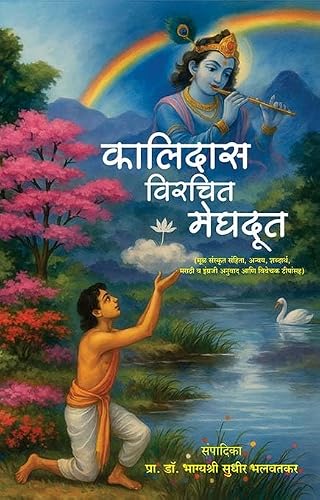
Meghadutam (मेघदूतम्) by Kalidasa
Prescribed
Group 4: prepare a short note in Sanskrit on its theme, the Purvamegha and Uttaramegha, the mandakranta metre and the duta-kavya tradition it started. Verses 1 to 10 are also set in Section B.
Nitishatakam (नीतिशतकम्) by Bhartrhari
Prescribed
Group 4: prepare a short note in Sanskrit on the Satakatraya, Bhartrhari’s identity and the themes of niti. Verses 1 to 10 are also set in Section B.
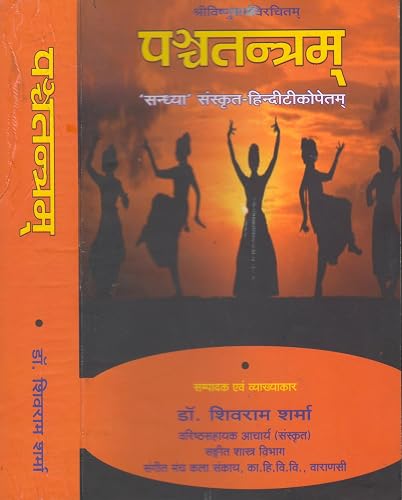
Panchatantra (पञ्चतन्त्रम्) by Vishnusharma
Prescribed
Group 4: prepare a short note in Sanskrit on its five tantras, frame story, purpose (teaching niti to princes) and its spread across the world.
Rajatarangini (राजतरङ्गिणी) by Kalhana
Prescribed
Group 4: prepare a short note in Sanskrit on Kalhana’s view of history, his sources and the eight tarangas on the kings of Kashmir.
Harshacharitam (हर्षचरितम्) by Banabhatta
Prescribed
Group 4: prepare a short note in Sanskrit on it as an akhyayika, Bana’s autobiography in the opening chapters and its value as history.
Amarushatakam (अमरुशतकम्) by Amaru
Prescribed
Group 4: prepare a short note in Sanskrit on it as muktaka poetry of love (shringara) and its praise by the theorists.
Gitagovindam (गीतगोविन्दम्) by Jayadeva
Prescribed
Group 4: prepare a short note in Sanskrit on its theme of Radha and Krishna, the ashtapadis, its music and its place in the bhakti tradition.

Strengthen your GS papers
Our UPSC Mains Topic-wise & Year-wise PYQ Book (2013–2026) maps every GS question to the syllabus, so you know what UPSC asks and how often. Now available as a hard copy and an eBook.
Buy Hard Copy on AmazonBuy eBook (PDF)Paper II Section B: Selected texts for first-hand reading
Set verses of Raghuvamsa, Kumarasambhava, Kiratarjuniya, Isavasya, Gita, Sundarakanda, Meghaduta and Nitisataka, the Sukanasopadesa, and set acts and verses of three plays.
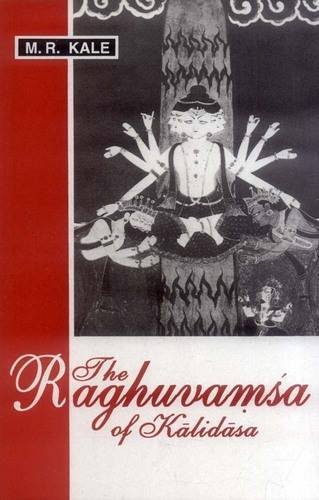
Raghuvamsham, Canto I, verses 1 to 10 (रघुवंशम् (प्रथम सर्ग)) by Kalidasa; ed. M.R. Kale
Prescribed
Group 1, to be answered in Sanskrit only. Read the original text with a translation and learn each verse well enough to translate, explain and comment on it in Sanskrit; the opening verses (vagarthaviva, kva suryaprabhavo vamshah) carry the poet’s own statement of purpose.
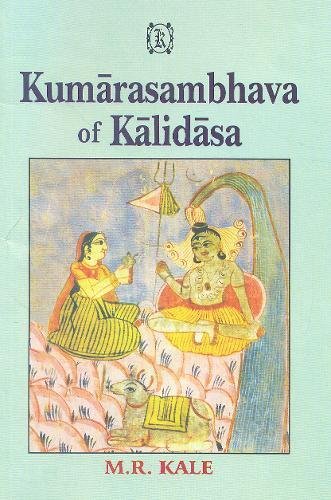
Kumarasambhavam, Canto I, verses 1 to 10 (कुमारसम्भवम् (प्रथम सर्ग)) by Kalidasa; ed. M.R. Kale
Prescribed
Group 1, to be answered in Sanskrit only. Read the original text with a translation and learn each verse well enough to translate, explain and comment on it in Sanskrit; focus on the description of the Himalaya and its alamkaras.
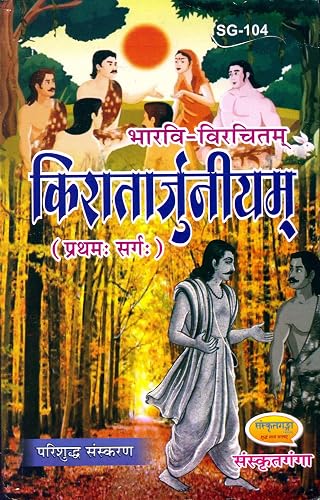
Kiratarjuniyam, Canto I, verses 1 to 10 (किरातार्जुनीयम् (प्रथम सर्ग)) by Bharavi; with Mallinatha’s commentary
Prescribed
Group 1, to be answered in Sanskrit only. Read the original text with a translation and learn each verse well enough to translate, explain and comment on it in Sanskrit; focus on the spy’s report to Yudhishthira and its political wisdom.
Ishavasyopanishad, verses 1, 2, 4, 6, 7, 15 and 18 (ईशावास्योपनिषद्) by Gita Press edition (in Ishadi Nau Upanishad)
Prescribed
Group 2, to be answered in Sanskrit only. Learn these seven mantras by heart with their meaning and Shankara’s interpretation; questions ask you to explain a mantra in Sanskrit.
Bhagavadgita, Chapter II, verses 13 to 25 (श्रीमद्भगवद्गीता (द्वितीय अध्याय)) by Gita Press edition
Prescribed
Group 2, to be answered in Sanskrit only. These verses teach the immortality of the atman; learn them by heart and practise explaining each in Sanskrit.
Sundarakanda, Canto 15, verses 15 to 30 (सुन्दरकाण्ड (पञ्चदश सर्ग)) by Valmiki; Gita Press edition
Prescribed
Group 2, to be answered in Sanskrit only. The syllabus names the Gita Press edition, so use its verse numbering; this canto describes Hanuman’s first sight of Sita in the Ashoka grove.
Meghadutam, verses 1 to 10 (मेघदूतम्) by Kalidasa; ed. M.R. Kale
Prescribed
Group 3, to be answered in Sanskrit or your medium. Read the original text with a translation and learn each verse well enough to translate, explain and comment on it; note the yaksha’s situation and the mandakranta metre.
Nitishatakam, verses 1 to 10 (नीतिशतकम्) by Bhartrhari; ed. D.D. Kosambi (Bharatiya Vidya Bhavan)
Prescribed
Group 3. The syllabus names Kosambi’s edition, whose numbering differs from popular editions, so check the verses against it. Read the original text with a translation and learn each verse well enough to translate, explain and comment on it.
Kadambari: Shukanasopadesha (कादम्बरी (शुकनासोपदेशः)) by Banabhatta
Prescribed
Group 3. Only the Sukanasopadesa, the minister’s advice to prince Chandrapida on youth, wealth and power, is set. Read the original prose with a translation and be ready to explain a passage and its style.
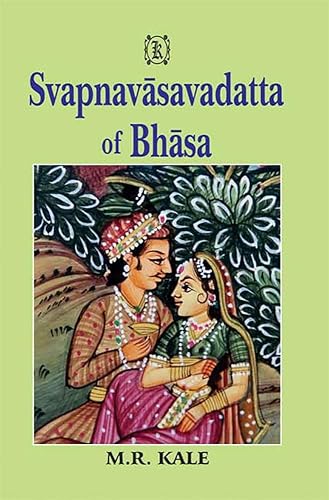
Svapnavasavadattam, Act VI (स्वप्नवासवदत्तम् (षष्ठ अङ्क)) by Bhasa; ed. M.R. Kale
Prescribed
Group 4. Read the whole act in the original; it brings the play to its resolution, so connect it with the plot and characters.
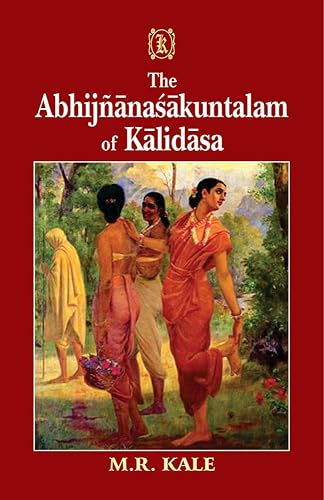
Abhijnanashakuntalam, Act IV, verses 15 to 30 (अभिज्ञानशाकुन्तलम् (चतुर्थ अङ्क)) by Kalidasa; ed. M.R. Kale
Prescribed
Group 4. The syllabus names the M.R. Kale edition, so use its verse numbering. Act IV is Shakuntala’s farewell; read the original text with a translation and learn each verse well enough to translate, explain and comment on it.
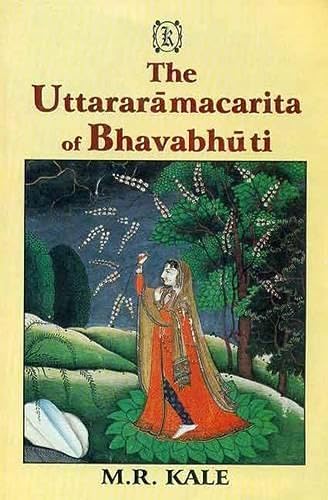
Uttararamacharitam, Act I, verses 31 to 47 (उत्तररामचरितम् (प्रथम अङ्क)) by Bhavabhuti; ed. M.R. Kale
Prescribed
Group 4. The syllabus names the M.R. Kale edition. These verses come from the picture-gallery scene; read the original text with a translation and learn each verse well enough to translate, explain and comment on it.
GRETIL by University of Gottingen
Website
Free e-texts of most of the prescribed works and the philosophical texts. Use it to read the Sanskrit original when your edition is not at hand.
Sanskrit Documents by sanskritdocuments.org
Website
Free Devanagari texts of the Gita, Upanishads, stotras and many kavyas. Useful for printing the set verses for daily recitation and revision.
Valmiki Ramayana (IIT Kanpur) by IIT Kanpur
Website
The full Ramayana text with word-by-word meaning and translation. Use it to read the Sundarakanda; check verse numbers against the Gita Press edition named in the syllabus.
How to use this Sanskrit Literature Optional booklist
- Write some Sanskrit every day from the first week; the grammar question, essay, unseen passage, Group 4 notes and Section B Groups 1 and 2 all need answers in Sanskrit, and fluent, error-free Sanskrit is what separates high scores.
- Learn the Section B verses by heart in the editions the syllabus names (M.R. Kale, Gita Press, Kosambi), with anvaya, translation and two or three points of explanation for each.
- Prepare a one-page note in Sanskrit for each Group 4 work (Meghaduta, Nitisataka, Pancatantra, Rajatarangini, Harsacarita, Amarusataka, Gitagovinda): author, date, contents, style and importance.
- For the grammar question, keep a notebook of sutras with one solved example each for sandhi, karaka, samasa and kartari-karmani prayoga, and revise it weekly.
- Use one history of literature only (Baldev Upadhyaya, Gairola or Keith) and make genre-wise charts of authors, works and dates for the Mahakavya, Rupaka, Katha, Akhyayika, Campu and lyric genres.
- Solve the previous year papers early: they show that questions on the nine darshanas, samskaras and purusharthas repeat, and they help you build a stock of Sanskrit terms for these topics.
Some books you find useful may not be on this list. Use them if they fall within the syllabus and help you answer previous year questions. If you spot a wrong title, an outdated edition or a broken link, tell us on the Report an Error page.
FAQs
Which are the best books for Sanskrit Literature Optional Paper I?
Our core picks, section by section – Grammar, language and literary history: Laghusiddhantakaumudi (Bhaimi Vyakhya) (Varadaraja; commentary by Bhimsen Shastri), Rachananuvadakaumudi (Kapildev Dwivedi), Bhasha Vigyan evam Bhasha Shastra (Kapildev Dwivedi); Indian culture, philosophy, essay and unseen passage: Hindu Samskaras (Raj Bali Pandey), Bharatiya Darshan (Baldev Upadhyaya), A Critical Survey of Indian Philosophy (Chandradhar Sharma). Each book above is tagged so you know what to read first.
Which texts are prescribed for Sanskrit Literature Optional?
The UPSC syllabus prescribes 38 texts for first-hand reading: Raghuvamsham (Kalidasa); Kumarasambhavam (Kalidasa); Kiratarjuniyam (Bharavi); Shishupalavadham (Magha); Naishadhiyacharitam (Sriharsha); Kadambari (Banabhatta); Dashakumaracharitam (Dandin); Shivarajyodayam (S.B. Varnekar); Ishavasyopanishad; Bhagavadgita; Sundarakanda (Valmiki Ramayana) (Valmiki); Arthashastra (Kautilya); Svapnavasavadattam (Bhasa); Abhijnanashakuntalam (Kalidasa); Mricchakatikam (Sudraka); Mudrarakshasam (Vishakhadatta); Uttararamacharitam (Bhavabhuti); Ratnavali (Sriharshavardhana); Venisamharam (Bhattanarayana); Meghadutam (Kalidasa); Nitishatakam (Bhartrhari); Panchatantra (Vishnusharma); Rajatarangini (Kalhana); Harshacharitam (Banabhatta); Amarushatakam (Amaru); Gitagovindam (Jayadeva); Raghuvamsham, Canto I, verses 1 to 10 (Kalidasa; ed. M.R. Kale); Kumarasambhavam, Canto I, verses 1 to 10 (Kalidasa; ed. M.R. Kale); Kiratarjuniyam, Canto I, verses 1 to 10 (Bharavi; with Mallinatha’s commentary); Ishavasyopanishad, verses 1, 2, 4, 6, 7, 15 and 18 (Gita Press edition (in Ishadi Nau Upanishad)); Bhagavadgita, Chapter II, verses 13 to 25 (Gita Press edition); Sundarakanda, Canto 15, verses 15 to 30 (Valmiki; Gita Press edition); Meghadutam, verses 1 to 10 (Kalidasa; ed. M.R. Kale); Nitishatakam, verses 1 to 10 (Bhartrhari; ed. D.D. Kosambi (Bharatiya Vidya Bhavan)); Kadambari: Shukanasopadesha (Banabhatta); Svapnavasavadattam, Act VI (Bhasa; ed. M.R. Kale); Abhijnanashakuntalam, Act IV, verses 15 to 30 (Kalidasa; ed. M.R. Kale); Uttararamacharitam, Act I, verses 31 to 47 (Bhavabhuti; ed. M.R. Kale). We list the exact portions under each text above.
In which language must I write answers in Sanskrit Literature Optional?
Some answers must be in Sanskrit: in Paper I the grammar question, the essay and the unseen passage, and in Paper II the Group 4 question of Section A and Groups 1 and 2 of Section B. All other questions may be answered in Sanskrit or in the medium you have chosen for the examination.
Do I need to read every book on this list?
Read every prescribed text in the original, since Paper II tests first-hand reading. For Paper I, read the Core books fully, choose only one book wherever we list an Alternative, and use Reference books only for specific topics. If you are new to the subject, begin with The Wonder That Was India (A.L. Basham), An Introduction to Indian Philosophy (S.C. Chatterjee and D.M. Datta).
Last updated: 2 November 2026