
This is our booklist for Public Administration Optional, covering Paper I (Administrative Theory) and Paper II (Indian Administration). We have kept it short: a few core books you read fully, backed by IGNOU material, the 2nd ARC reports and current examples. Each book carries a priority tag so you know what to read first and what to dip into.
Use this booklist together with the Public Administration Optional syllabus, the topic-wise PYQs and the year-wise question papers. The previous year questions show you which chapters of these books UPSC actually asks from.
Jump to: Paper I: Administrative Theory – Foundations, Thought and Behaviour (Units 1–6) · Paper I: Administrative Theory – Comparative, Development, Personnel, Policy and Financial Administration (Units 7–12) · Paper II: Indian Administration – Evolution, Framework, Union, State and District (Units 1–7) · Paper II: Indian Administration – Civil Services, Finance, Reforms, Local Government and Current Issues (Units 8–14)
Some links on this page are Amazon affiliate links. If you buy through them, we may earn a small commission at no extra cost to you.
Paper I: Administrative Theory – Foundations, Thought and Behaviour (Units 1–6) – Best Books
Introduction and paradigms, administrative thought, administrative behaviour, organisations, accountability and control, and administrative law.
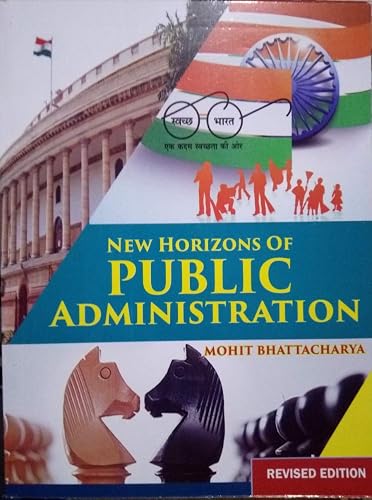
New Horizons of Public Administration by Mohit Bhattacharya
Core
This is the backbone of Paper I and we recommend reading it cover to cover. It explains the evolution of the discipline, New Public Administration, New Public Management, governance and the critiques that UPSC likes to ask about. Read it after you have the basics, and make your own short notes chapter by chapter.
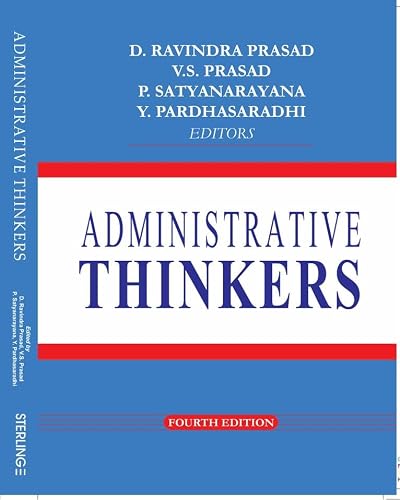
Administrative Thinkers by D. Ravindra Prasad, V.S. Prasad and P. Satyanarayana (eds.)
Core
Toppers simply call this ‘Prasad and Prasad’. Each chapter takes one thinker (Taylor, Weber, Fayol, Follett, Barnard, Simon, McGregor, Argyris, Riggs, Dror and others) and sets out their ideas and the criticism of them. Read every chapter that matches a thinker named in the syllabus.
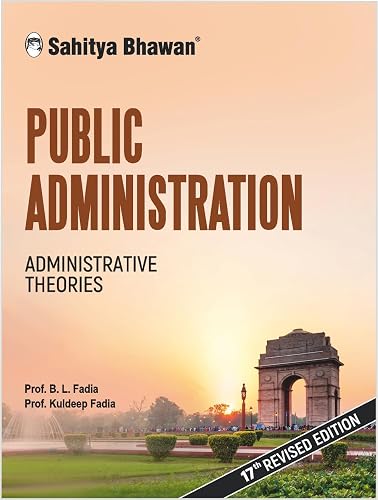
Public Administration: Administrative Theories and Concepts by B.L. Fadia and Kuldeep Fadia
Alternative
This is an exam-oriented textbook that covers the whole Paper I syllabus in a simple, structured way. Use it as your base if Mohit Bhattacharya feels too dense, or use it to fill units such as administrative law and techniques of administrative improvement.
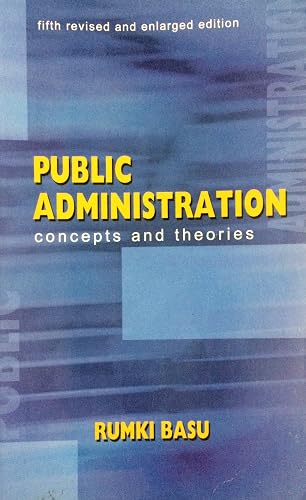
Public Administration: Concepts and Theories by Rumki Basu
Reference
This is a clear university textbook on theories of organisation, bureaucracy and decision-making. We suggest you consult it for topics where you want a second explanation, rather than reading it in full.
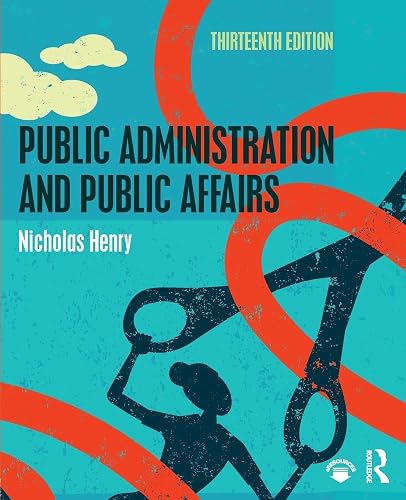
Public Administration and Public Affairs by Nicholas Henry
Reference
Henry’s account of the paradigms of public administration is the standard reference for the opening unit. Read the chapters on paradigms and the evolution of the discipline; the rest is US-focused and can be skipped.
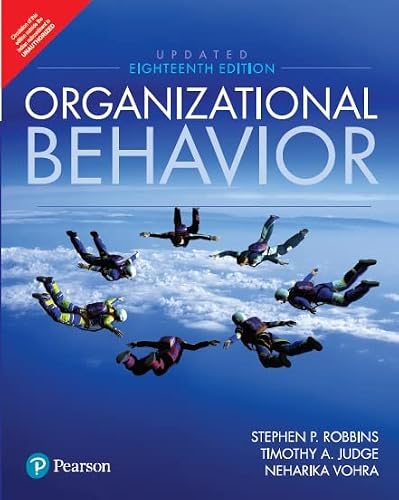
Organizational Behavior by Stephen P. Robbins, Timothy A. Judge and Neharika Vohra
Reference
Use this for the behavioural side of Paper I. The chapters on motivation, leadership, communication, conflict and decision-making give you theories and examples you can quote in answers.
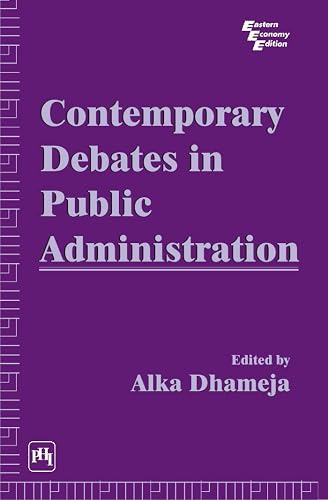
Contemporary Debates in Public Administration by Alka Dhameja (ed.)
Reference
This edited volume collects essays on current debates such as New Public Management, governance, public choice and the role of the state. Read selected essays to add depth and fresh arguments to your answers.
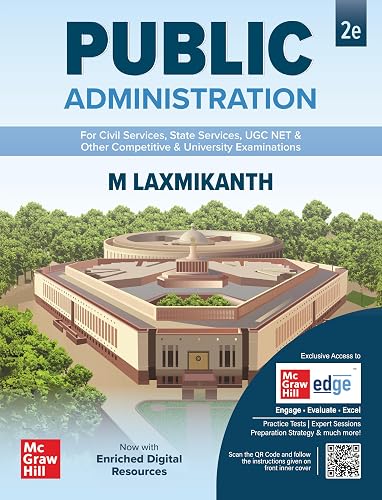
Public Administration by M. Laxmikanth
Beginner
If you have no background in the subject, start here. It explains the basic concepts in simple language and gets you ready for Mohit Bhattacharya and Prasad and Prasad. It is not enough on its own for the Mains standard.
IGNOU MPA-011, MPA-012 and BPAC-102 study material by IGNOU School of Social Sciences
Website
IGNOU’s MA Public Administration courses MPA-011 (State, Society and Public Administration) and MPA-012 (Administrative Theory), and BA course BPAC-102 (Administrative Thinkers), are free and closely follow the UPSC syllabus. We recommend them for thinkers and theories where you want a second, concise source.

Preparing for Prelims too?
Our UPSC Prelims Topic-wise PYQ Book covers every Prelims question with detailed explanations, so you can see exactly where UPSC asks from. Now available as a hard copy and an eBook.
Buy Hard Copy on AmazonBuy eBook (PDF)Paper I: Administrative Theory – Comparative, Development, Personnel, Policy and Financial Administration (Units 7–12) – Best Books
Comparative public administration, development dynamics, personnel administration, public policy, techniques of administrative improvement and financial administration; Mohit Bhattacharya and Fadia continue as your base here.
Comparative Public Administration: An Ecological Perspective by Ramesh K. Arora
Reference
This is the standard text for Riggs and the ecological approach. Read the chapters on Riggs’s models (prismatic-sala, fused and diffracted societies) and the approaches to comparative study.
Social Theory and Development Administration by Mohit Bhattacharya
Reference
Use this for development dynamics. It covers the concept of development, anti-development thesis, bureaucracy and development, the changing role of the state and women and development, all of which recur in the paper.
Restructuring Public Administration: A New Look by Mohit Bhattacharya
Reference
This short book discusses globalisation, New Public Management and the reinvention of government. Read it once for arguments you can use in questions on administrative reform and the changing role of the state.
Public Policy: Formulation, Implementation and Evaluation by R.K. Sapru
Reference
Consult this for the public policy unit. It covers models of policy-making, implementation, monitoring and evaluation, and the theories of the state that sit behind policy formulation.
IGNOU MPA-013, MPA-014 and MPA-015 study material by IGNOU School of Social Sciences
Website
MPA-013 (Public Systems Management), MPA-014 (Human Resource Management) and MPA-015 (Public Policy and Analysis) map well onto the second half of Paper I. We recommend them for personnel administration, techniques of administrative improvement and public policy.
Paper II: Indian Administration – Evolution, Framework, Union, State and District (Units 1–7) – Best Books
Evolution of Indian administration, the constitutional framework, public sector undertakings, Union and State government, plans and priorities, and district administration.
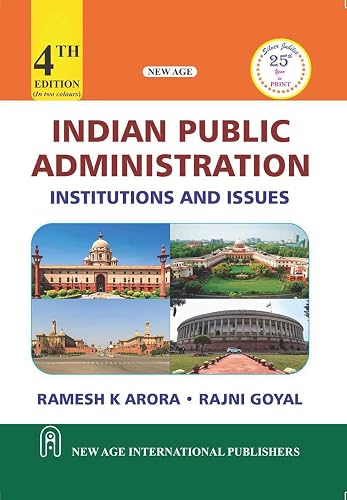
Indian Public Administration: Institutions and Issues by Ramesh K. Arora and Rajni Goyal
Core
This is the core book for Paper II and toppers use it for almost every unit. It covers the evolution of Indian administration, the Union and State machinery, district administration, civil services and reforms. Read it fully and update its data with current examples.
Indian Administration by B.L. Fadia and Kuldeep Fadia
Alternative
This covers the Paper II syllabus unit by unit in an exam-friendly format. Pick it instead of Arora and Goyal if you prefer a more structured read, or use it for units the core book treats briefly.
Indian Administration by S.R. Maheshwari
Reference
Maheshwari is the classic account of how Indian administration evolved and works. Consult it for the historical evolution, the Cabinet Secretariat, PMO and ministries, and the district collector.
Indian Polity by M. Laxmikanth
Reference
You probably already have this for GS. Use the chapters on the Union and State executive, centre–state relations, constitutional bodies and local government for facts and articles in Paper II answers.
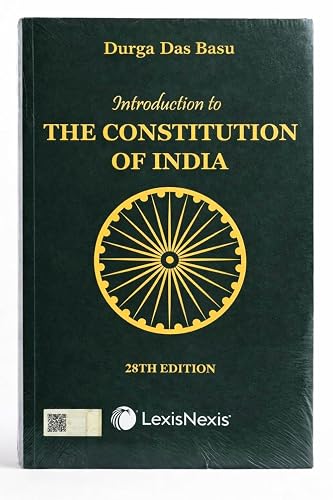
Introduction to the Constitution of India by D.D. Basu
Reference
Use this for the philosophical and constitutional framework of government. Consult the chapters on the Preamble, federalism and the executive when you need a firmer constitutional base for an answer.
NCERT Class XI: Indian Constitution at Work by NCERT
Beginner
If you are new to Indian polity, read this NCERT first. It explains the working of the executive, legislature, federalism and local government in simple language.
Report of the Commission on Centre–State Relations (Punchhi Commission) by Government of India (Justice M.M. Punchhi Commission)
Website
This report is widely quoted for centre–state relations, the role of the Governor, district administration and policing. Read the summary of recommendations rather than all seven volumes.

Strengthen your GS papers
Our UPSC Mains Topic-wise & Year-wise PYQ Book (2013–2026) maps every GS question to the syllabus, so you know what UPSC asks and how often. Now available as a hard copy and an eBook.
Buy Hard Copy on AmazonBuy eBook (PDF)Paper II: Indian Administration – Civil Services, Finance, Reforms, Local Government and Current Issues (Units 8–14) – Best Books
Civil services, financial management, administrative reforms, rural development, urban local government, law and order, and significant issues in Indian administration.
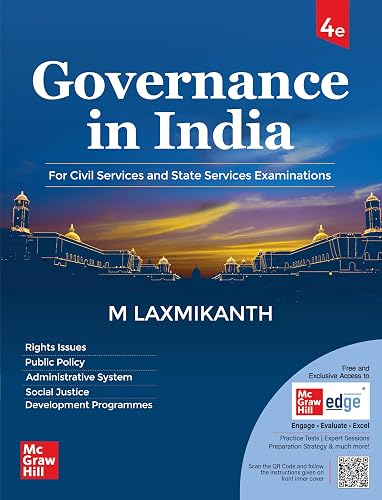
Governance in India by M. Laxmikanth
Reference
Use this for the ‘significant issues’ unit and reform topics. It gives compact notes on e-governance, citizen charters, RTI, social audit, civil society and good governance that you can turn into answer points.
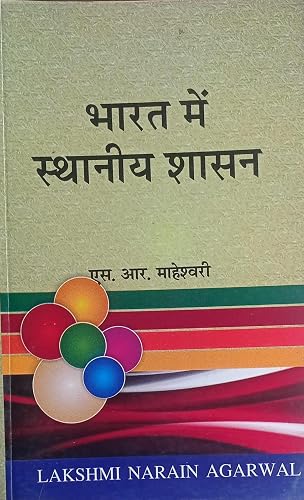
Local Government in India by S.R. Maheshwari
Reference
Consult this for the rural development and urban local government units. It traces the evolution of Panchayati Raj and municipal bodies and the 73rd and 74th Amendments.
Second Administrative Reforms Commission (2nd ARC) Reports by Second Administrative Reforms Commission, Government of India
Website
The 15 reports of the 2nd ARC are the most important single source for Paper II, and they help in Paper I too. Read the summaries of all reports and the full text of the key ones (Ethics in Governance, Public Order, Local Governance, Citizen-Centric Administration, Personnel Administration, Organisational Structure of Government of India, e-Governance).
Economic Survey and Union Budget documents by Ministry of Finance, Government of India
Website
Use the Economic Survey for data and examples on governance and reforms, and the Budget documents for financial management and budgeting questions. Read the chapters relevant to administration each year.
Indian Journal of Public Administration (IIPA) by Indian Institute of Public Administration
Website
The IIPA journal carries articles on current administrative issues and reforms in India. Browse the latest issues for fresh arguments and examples on the topics you are revising.
PRS Legislative Research by PRS Legislative Research
Website
PRS summarises new bills, committee reports and budgets in plain language. Follow it for current examples in law and order, local government and financial management.
IGNOU MPA-016, MPA-017 and BPAC-114 study material by IGNOU School of Social Sciences
Website
MPA-016 (Decentralisation and Local Governance), MPA-017 (E-Governance) and BPAC-114 (Contemporary Issues and Concerns in Indian Administration) cover the second half of Paper II well. We recommend them for local government and current issues.
How to use this Public Administration Optional booklist
- Start with Laxmikanth’s Public Administration if you are new, then move to Mohit Bhattacharya’s New Horizons and Prasad and Prasad for Paper I.
- Treat Arora and Goyal as your Paper II base and keep the 2nd ARC reports open alongside it; most Paper II questions reward ARC recommendations.
- Link the two papers: quote Paper I theories (Weber, Riggs, New Public Management) in Paper II answers, and Indian examples in Paper I answers.
- Keep a running file of current examples (schemes, reports, court judgments) for each unit and update it from the Economic Survey, PRS and the news.
- Use IGNOU material to fill gaps instead of adding more books, and practise with previous years’ questions unit by unit.
Some books you find useful may not be on this list. Use them if they fall within the syllabus and help you answer previous year questions – that is the only test that matters. If you spot an outdated edition or a broken link, tell us on the Report an Error page.
FAQs
Which are the best books for Public Administration Optional?
Our core picks, section by section – Administrative Theory – Foundations, Thought and Behaviour (Units 1–6): New Horizons of Public Administration (Mohit Bhattacharya), Administrative Thinkers (D. Ravindra Prasad, V.S. Prasad and P. Satyanarayana (eds.)); Indian Administration – Evolution, Framework, Union, State and District (Units 1–7): Indian Public Administration: Institutions and Issues (Ramesh K. Arora and Rajni Goyal). Each book above is tagged Core, Alternative, Reference, Beginner or Website, so you know what to read first.
Which book should I start Public Administration Optional with?
If you are new to the subject, begin with Public Administration (M. Laxmikanth), NCERT Class XI: Indian Constitution at Work (NCERT), and then move to the Core books for each section.
Do I need to read every book on this list?
No. Read the Core books fully, choose only one book wherever we list an Alternative, and use Reference books only for specific topics. Keep your sources few and revise them several times.
Where can I find Public Administration Optional previous year questions?
All Public Administration Optional PYQs are on our topic-wise PYQs page, and full papers are on the year-wise question papers page. The syllabus page breaks each unit into numbered topics.
Last updated: 2 November 2026