
This booklist covers the full UPSC Konkani Literature syllabus: the history of the Konkani language and the history of Konkani literature for Paper I, and every prescribed prose and poetry text for Paper II. Paper II requires first-hand reading of the prescribed texts and tests your critical and analytical ability, so read each text in the original. Answers in both papers must be written in Konkani. We mark each book Prescribed, Core (read fully), Alternative (pick this or the core book), Reference (selected chapters) or Beginner (start here).
We list the prescribed texts exactly as the UPSC syllabus names them, with the portion you must read. Paper II tests first-hand reading, so read each text in the original and use guides only alongside it. Where a book is hard to find in print, try the free sources we list, the Sahitya Akademi and university bookshops.
Jump to: Paper I Section A: History of the Konkani language · Paper I Section B: History of Konkani literature · Paper II Section A: Prescribed texts (Prose) · Paper II Section B: Prescribed texts (Poetry)
Some links on this page are Amazon affiliate links. If you buy through them, we may earn a small commission at no extra cost to you.
Paper I Section A: History of the Konkani language – Best Books
Origin, development and influences, major variants, grammatical and lexicographic work, and old and new standard Konkani and standardisation.
The Formation of Konkani by S. M. Katre
Core
The classic linguistic study of the origin and development of Konkani. Read the chapters on its Indo-Aryan base, sound changes and influences, and use its findings in answers on origin and development.
Konkani Vyakaran (कोंकणी व्याकरण) by Suresh Borkar (Konkani Bhasha Mandal)
Core
A standard Konkani grammar. Use it for the grammatical part of the syllabus, especially cases, adverbs, indeclinables and voices, and note examples from standard Konkani.
Konkani Bhas, Sahitya ani Sanskritai (कोंकणी भास, साहित्य आनी संस्कृताय) by Ed. Shyam Verenkar (Konkani Bhasha Mandal)
Reference
An edited volume on Konkani language, literature and culture. Consult the chapters on the language, its variants and standardisation.
Konkani Vishwakosh (Vols 1 to 4) (कोंकणी विश्वकोश) by Goa University
Reference
The Konkani encyclopaedia. Consult its entries on the language, its variants, grammarians, lexicographers and writers when you need reliable facts.
Thomas Stephens Konknni Kendr by Thomas Stephens Konknni Kendr, Goa
Website
The website of a Konkani research centre in Goa that works on the language, the Roman-script tradition and Konkani publications. Use it to find resources and publications on Konkani.

Preparing for Prelims too?
Our UPSC Prelims Topic-wise PYQ Book covers every Prelims question with detailed explanations, so you can see exactly where UPSC asks from. Now available as a hard copy and an eBook.
Buy Hard Copy on AmazonBuy eBook (PDF)Paper I Section B: History of Konkani literature – Best Books
Konkani literature from its sources to the present, its social and cultural background, Indian and Western influences, and modern trends in the genres and regions, including folklore.
A History of Konkani Literature by Manohar Rai Sardessai (Sahitya Akademi)
Core
Our anchor for Section B. Read it in full: the early and Portuguese-era Christian writings, the revival led by Shenoi Goembab, the post-Liberation period, and the writing of Karnataka and Kerala. Note the major works, writers and movements of each phase.
Old Konkani Language and Literature: The Portuguese Role by Ed. Olivinho J. F. Gomes
Core
Also a prescribed text in Paper II. For Paper I, use it for the earliest phase of Konkani literature and the Western influences on it, including the missionary grammars and Christian literature.
Konkani Kavitecho Itihas (कोंकणी कवितेचो इतिहास) by Rajay Pawar
Reference
A history of Konkani poetry. Consult it for modern trends in poetry and for the poets prescribed in Paper II.
Tiatrachon Itihas (तियात्राचो इतिहास) by Prakash Thali (Goa Konkani Akademi)
Reference
A history of tiatr, the popular Konkani stage form. Consult it for the drama and popular-culture part of modern trends.
Konkani Folk Tales by Olivinho J. F. Gomes (National Book Trust)
Beginner
A short retelling of Konkani folk tales. Read it for examples of Konkani folklore; it gives you material for the folklore part of the syllabus.
Paper II Section A: Prescribed texts (Prose)
Anthologies, novels, essays, drama and modern prose.
Konkani Mansagangotri (कोंकणी मानसगंगोत्री) by Ed. Olivinho Gomes
Prescribed
Prescribed: the anthology, excluding the poetry. Read every prose piece in the original and note the writer, period and theme of each.
Old Konkani Language and Literature: The Portuguese Role by Ed. Olivinho J. F. Gomes
Prescribed
Prescribed: the full book. Read it for the Portuguese role in recording Konkani, the early grammars and dictionaries and the Christian literature of the period, and form your own view of that role.
Otmo Denvcharak by A. V. da Cruz
Prescribed
Prescribed: the novel. Read it in full and focus on its plot and characters, its moral and religious concerns and its place in early Konkani fiction.
Vadoll ani Varem by Antonio Pereira
Prescribed
Prescribed: the novel. Read it in full and focus on its characters, its social setting and its narrative technique.
Devache Kurpen by V. J. P. Saldanha
Prescribed
Prescribed: the novel. Read it in full and focus on its themes, its characters and its style.
Vajralikhani by Shenoi Goembab (ed. Shantaram Varde Valavalikar)
Prescribed
Prescribed: the anthology of Shenoi Goembab’s writings. Read it in full and focus on his arguments for Konkani, his prose style and his role as the father of the modern Konkani movement.
Konkani Lalit Niband (कोंकणी ललित निबंद) by Ed. Shyam Verenkar
Prescribed
Prescribed: the anthology of essays. Read every essay and note the writer, theme and style of each, and the features of the lalit niband as a form.
Teen Dasakam by Ed. Chandrakant Keni
Prescribed
Prescribed: the anthology. Read every piece and note what it shows about the development of Konkani writing over the decades it covers.
Demand by Pundalik Naik
Prescribed
Prescribed: the play. Read it in full and focus on its social theme, its characters and its dramatic technique.
Kadambini: A Miscellany of Modern Prose (कादंबिनी) by Ed. O. J. F. Gomes and P. S. Tadkodkar
Prescribed
Prescribed: the anthology of modern prose. Read every piece and note the writer, genre and theme of each.
Ratha Tujeo Ghudieo by Jayanti Naik
Prescribed
Prescribed: the full work. Read it in the original and focus on its themes, its characters and Jayanti Naik’s style.

Strengthen your GS papers
Our UPSC Mains Topic-wise & Year-wise PYQ Book (2013–2026) maps every GS question to the syllabus, so you know what UPSC asks and how often. Now available as a hard copy and an eBook.
Buy Hard Copy on AmazonBuy eBook (PDF)Paper II Section B: Prescribed texts (Poetry)
Early and modern Konkani poetry and poetry anthologies.
Ev ani Mori by Eduardo Bruno de Souza
Prescribed
Prescribed: the poetry. Read it in the original and focus on its themes, its form and its place in early Konkani poetry.
Abravanchem Yadnyadan by Luis Mascarenhas
Prescribed
Prescribed: the work. Read it in the original and focus on its theme, its language and its verse form.
Godde Ramayan by Ed. R. K. Rao
Prescribed
Prescribed: the text. Read it in the original and focus on how it tells the Ramayana story in Konkani and on its language and verse.
Ratnahar (Parts I and II) (रत्नहार) by Ed. R. V. Pandit
Prescribed
Prescribed: both parts of the poetry anthology. Read every poem and note the poet, theme and imagery of each.
Zayo Zuyo (जायो जुयो) by Manohar Rai Sardessai
Prescribed
Prescribed: the collection (the poet is printed as Manohar L. Sardessai). Read every poem and focus on Sardessai’s lyricism, his love of Goa and his modern sensibility.
Kanadi Mati Konkani Kavi (कानडी माती कोंकणी कवी) by Ed. Pratap Naik
Prescribed
Prescribed: the anthology of Konkani poets from Karnataka. Read every poem and note how it reflects Konkani life outside Goa.
Adrushatache Kalle by Pandurang Bhangui
Prescribed
Prescribed: the collection of poems. Read every poem and focus on Bhangui’s themes, imagery and modernist style.
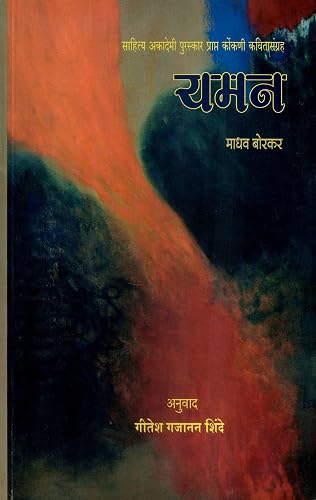
Yaman (यमन) by Madhav Borkar
Prescribed
Prescribed: the collection of poems. Read every poem and focus on Borkar’s imagery, music and themes.
How to use this Konkani Literature Optional booklist
- Collect the prescribed texts early; several are anthologies or older editions published in Goa and Mangalore, so ask Konkani publishers, Goa University and college libraries, and Konkani bookshops in Panaji and Margao.
- Read Paper II texts across both traditions: the Catholic Roman-script writing (A. V. da Cruz, Antonio Pereira, Eduardo Bruno de Souza) and the Devanagari writing from Shenoi Goembab onwards, as questions often compare them.
- For Paper I, prepare the major variants of Konkani (such as Goan Antruzi, Bardeskari and Saxtti, and the Karnataka and Kerala varieties) with their linguistic features, and the old and new standards.
- Prepare a timeline of Konkani literature from the Portuguese-era Christian writings to the modern movements, with the main writers and works of each phase.
- Use the prescribed anthologies (Konkani Mansagangotri, Vajralikhani, Kadambini, Teen Dasakam, Ratnahar) as a source of examples for the Paper I literary history answers.
- Write in standard Devanagari Konkani and practise passage explanations and critical appreciation of poems.
Some books you find useful may not be on this list. Use them if they fall within the syllabus and help you answer previous year questions. If you spot a wrong title, an outdated edition or a broken link, tell us on the Report an Error page.
FAQs
Which are the best books for Konkani Literature Optional Paper I?
Our core picks, section by section – History of the Konkani language: The Formation of Konkani (S. M. Katre), Konkani Vyakaran (Suresh Borkar (Konkani Bhasha Mandal)); History of Konkani literature: A History of Konkani Literature (Manohar Rai Sardessai (Sahitya Akademi)), Old Konkani Language and Literature: The Portuguese Role (Ed. Olivinho J. F. Gomes). Each book above is tagged so you know what to read first.
Which texts are prescribed for Konkani Literature Optional?
The UPSC syllabus prescribes 19 texts for first-hand reading: Konkani Mansagangotri (Ed. Olivinho Gomes); Old Konkani Language and Literature: The Portuguese Role (Ed. Olivinho J. F. Gomes); Otmo Denvcharak (A. V. da Cruz); Vadoll ani Varem (Antonio Pereira); Devache Kurpen (V. J. P. Saldanha); Vajralikhani (Shenoi Goembab (ed. Shantaram Varde Valavalikar)); Konkani Lalit Niband (Ed. Shyam Verenkar); Teen Dasakam (Ed. Chandrakant Keni); Demand (Pundalik Naik); Kadambini: A Miscellany of Modern Prose (Ed. O. J. F. Gomes and P. S. Tadkodkar); Ratha Tujeo Ghudieo (Jayanti Naik); Ev ani Mori (Eduardo Bruno de Souza); Abravanchem Yadnyadan (Luis Mascarenhas); Godde Ramayan (Ed. R. K. Rao); Ratnahar (Parts I and II) (Ed. R. V. Pandit); Zayo Zuyo (Manohar Rai Sardessai); Kanadi Mati Konkani Kavi (Ed. Pratap Naik); Adrushatache Kalle (Pandurang Bhangui); Yaman (Madhav Borkar). We list the exact portions under each text above.
In which language must I write answers in Konkani Literature Optional?
Both papers must be answered in Konkani, as the UPSC syllabus states for Konkani Literature.
Do I need to read every book on this list?
Read every prescribed text in the original, since Paper II tests first-hand reading. For Paper I, read the Core books fully, choose only one book wherever we list an Alternative, and use Reference books only for specific topics. If you are new to the subject, begin with Konkani Folk Tales (Olivinho J. F. Gomes (National Book Trust)).
Last updated: 2 November 2026