
This is our booklist for Kashmiri Literature Optional, arranged by the UPSC syllabus: Paper I covers the Kashmiri language (origin, dialects, phonology, grammar and syntax) and the history of Kashmiri literature, and Paper II prescribes poetry, short stories, novels, plays and folk literature. Paper II tests intensive and analytical study of the prescribed texts, so read them in Kashmiri before any history or translation. Answers in both papers must be written in Kashmiri. We mark each book Prescribed, Core, Alternative, Reference or Beginner so you know what to read fully and what to consult.
We list the prescribed texts exactly as the UPSC syllabus names them, with the portion you must read. Paper II tests first-hand reading, so read each text in the original and use guides only alongside it. Where a book is hard to find in print, try the free sources we list, the Sahitya Akademi and university bookshops.
Jump to: Paper I Section A: Kashmiri language · Paper I Section B: History of Kashmiri literature · Paper II Section A: Prescribed texts (Poetry) and criticism · Paper II Section B: Prescribed texts (Prose, drama and folk literature)
Some links on this page are Amazon affiliate links. If you buy through them, we may earn a small commission at no extra cost to you.
Paper I Section A: Kashmiri language – Best Books
Genealogy of Kashmiri and its theories, areas and dialects, phonology and grammar (vowels and consonants, nouns, pronouns, verbs) and syntax (simple sentences, coordination, relativisation).
A Reference Grammar of Kashmiri by Braj B. Kachru
Core
The standard descriptive grammar of Kashmiri. Read the parts on the vowel and consonant system, noun and pronoun inflection for case, verb types and tenses, and sentence structure; they map directly onto units 3 and 4 of Section A.
Modern Kashmiri Grammar by Omkar N. Koul and Kashi Wali
Alternative
Pick this or Kachru for phonology and grammar. It is more recent and compact, with clear tables for nouns, pronouns and verbs and chapters on coordination and relative clauses.
Kashmiri: A Cognitive-Descriptive Grammar by Kashi Wali and Omkar N. Koul
Reference
Consult it for syntax: simple declarative sentences, coordination and relativisation are treated in detail with examples.
Kaeshir Zaban ti Adbuk Tawarikh by Shafi Shauq
Core
A Kashmiri-medium history of the language and its literature. Read the opening chapters on the genealogical relationship of Kashmiri (the Dardic and Indo-Aryan theories) and on its dialects, so you can write the answer in Kashmiri idiom.
Linguistic Survey of India, Vol. VIII, Part II by George A. Grierson
Reference
Grierson’s account of Kashmiri and the other Dardic languages is the source of the Dardic theory. Read only the Kashmiri introduction so you can present his view and its later criticism.

Preparing for Prelims too?
Our UPSC Prelims Topic-wise PYQ Book covers every Prelims question with detailed explanations, so you can see exactly where UPSC asks from. Now available as a hard copy and an eBook.
Buy Hard Copy on AmazonBuy eBook (PDF)Paper I Section B: History of Kashmiri literature – Best Books
Fourteenth century (Lal Ded and Sheikh-ul-Alam), nineteenth-century vatsun, ghazal and mathnavi, Mahjoor and Azad, and the modern short story, drama, novel and nazm.
Kashir Adbuk Tawarikh by Shafi Shauq and Naji Munawar
Core
This is our anchor for Section B, published by the Department of Kashmiri, University of Kashmir. Read the chapters on the fourteenth century (Lal Ded and Sheikh-ul-Alam), the nineteenth-century vatsun, ghazal and mathnavi, Mahjoor and Azad, and the modern short story, drama, novel and nazm.
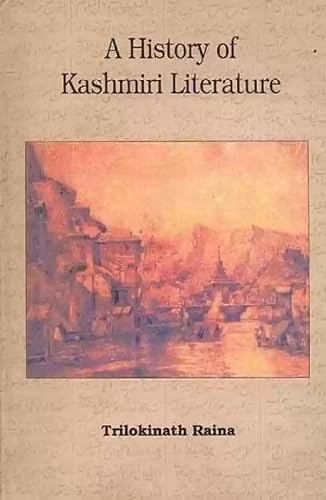
A History of Kashmiri Literature by Trilokinath Raina
Core
A clear English history from the Sahitya Akademi. Read it alongside the Kashmiri history for the socio-cultural background of each period and for the modern genres; then write your answers in Kashmiri.
Kashmiri Literature (A History of Indian Literature, Vol. VIII) by Braj B. Kachru
Alternative
A short scholarly survey in English. Pick this or Raina as your English companion; it is good on the medieval mystics and on literary influences in the twentieth century.
Kashmiri Zaban aur Shairi (3 volumes) by Abdul Ahad Azad
Reference
Azad’s Urdu history of Kashmiri language and poetry from Lal Ded to his own time, published by the J&K Academy of Art, Culture and Languages. Consult the chapters on the poets in the syllabus; it also shows Azad himself as a critic.
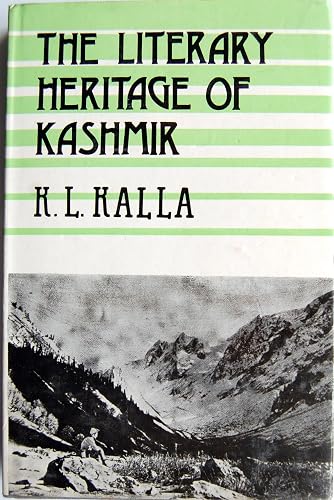
The Literary Heritage of Kashmir by Krishan Lal Kalla
Reference
Consult selected chapters for the background of Kashmiri literature and its Sanskrit and Persian inheritance.
Abdul Ahad Azad (Makers of Indian Literature) by G.N. Gauhar
Reference
A short Sahitya Akademi monograph on Azad’s life and poetry. Read it for unit 3 on Mahjoor and Azad.
Paper II Section A: Prescribed texts (Poetry) and criticism
Lal Ded, Sheikh-ul-Alam, Habba Khatoon, the nineteenth-century poets, Sanglaab, Azich Kashir Shairi, and the development of literary criticism and research.
Lal Dyad (Lal Ded): Vakhs by Lal Ded
Prescribed
Intensive study of Lal Ded’s vakhs is prescribed. Read the vakhs in Kashmiri in the text used by the University of Kashmir and learn the best-known ones; focus on Kashmir Shaivism, yoga, her critique of ritual and her language.
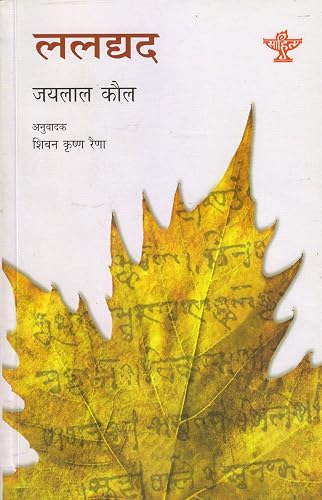
Lal Ded by Jayalal Kaul
Reference
The standard Sahitya Akademi study of Lal Ded, with the vakhs and their translation. Read the chapters on her thought and on the text of the vakhs.
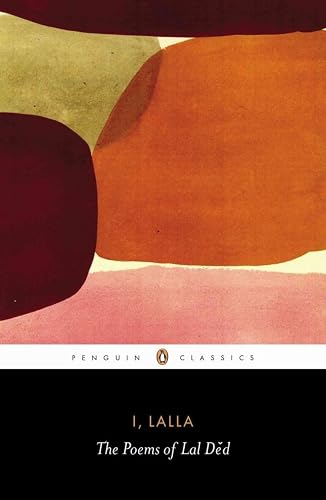
I, Lalla: The Poems of Lal Ded by Ranjit Hoskote
Reference
A modern English translation with a long introduction on Lal Ded’s life, legend and thought. Use it to understand difficult vakhs, not as a substitute for the Kashmiri text.
Sheikh-ul-Alam (Nund Rishi): Shruks by Sheikh Nuruddin Wali
Prescribed
Intensive study of Sheikh-ul-Alam’s shruks is prescribed. Read them in Kashmiri; focus on the Rishi order, his ethics of renunciation and service, and the links with Lal Ded.
Habba Khatoon: Lol lyrics by Habba Khatoon
Prescribed
Intensive study of Habba Khatoon’s lyrics is prescribed. Read the songs in Kashmiri; focus on lol (longing), separation, the woman’s voice and the vatsun form.
Mahmood Gami: Vatsans by Mahmood Gami
Prescribed
The vatsans of Mahmood Gami are prescribed. Read them in Kashmiri; focus on Persian influence, mystical love and his place in nineteenth-century poetry.
Gulrez by Maqbool Shah Kralawari
Prescribed
Prescribed in full. Read the mathnavi in Kashmiri; focus on the romance narrative, its Persian model and Maqbool Shah’s descriptive skill.
Rasool Mir: Ghazals by Rasool Mir
Prescribed
Rasool Mir’s ghazals are prescribed. Read them in Kashmiri; focus on romantic love, beauty and his role in shaping the Kashmiri ghazal.
Abdul Ahad Nadim: Na’t by Abdul Ahad Nadim
Prescribed
Nadim’s na’t poems are prescribed. Read them in Kashmiri; focus on devotion to the Prophet and the musical quality of his verse.
Shiv Lagun by Krishanjoo Razdan
Prescribed
Shiv Lagun is prescribed. Read the devotional songs to Shiva in Kashmiri; focus on the bhakti tradition and the Kashmiri Pandit devotional idiom.
Sanglaab by Department of Kashmiri, University of Kashmir
Prescribed
The prescribed text for the Sufi poets. Read the poems in it; focus on Sufi themes and symbols and on what each poet adds to the tradition.
Azich Kashir Shairi by Department of Kashmiri, University of Kashmir
Prescribed
The prescribed anthology for twentieth-century Kashmiri poetry. Read the poems in it poet by poet; focus on nationalism, progressivism and modernism in the nazm and ghazal.

Strengthen your GS papers
Our UPSC Mains Topic-wise & Year-wise PYQ Book (2013–2026) maps every GS question to the syllabus, so you know what UPSC asks and how often. Now available as a hard copy and an eBook.
Buy Hard Copy on AmazonBuy eBook (PDF)Paper II Section B: Prescribed texts (Prose, drama and folk literature)
Short story anthologies, two novels, three dramatic texts and two folk literature texts.
Afsana Majmu’a by Department of Kashmiri, University of Kashmir
Prescribed
Prescribed for the short story. Read only the stories of Akhtar Mohi-ud-Din, Amin Kamil, Hari Krishan Kaul, Hriday Kaul Bharti, Bansi Nirdosh and Gulshan Majid; focus on themes, technique and social background.
Kashur Afsana Az by Sahitya Akademi
Prescribed
Prescribed for the short story; read only the stories of the six writers named in the syllabus (Akhtar Mohi-ud-Din, Kamil, Hari Krishan Kaul, Hriday Kaul Bharti, Bansi Nirdosh and Gulshan Majid).
Hamasar Kashur Afsana by Sahitya Akademi
Prescribed
Prescribed for the short story; read only the stories of the same six writers. Compare their stories across the three anthologies for an analytical answer on the growth of the Kashmiri short story.
Mujrim by G.N. Gowhar
Prescribed
Prescribed novel. Read the novel itself; focus on its plot, characters, social criticism and its place in the development of the Kashmiri novel.
Marun-e-Ivan Ilyichun by Leo Tolstoy (Kashmiri version, Department of Kashmiri)
Prescribed
The Kashmiri version of Tolstoy’s The Death of Ivan Ilyich is prescribed. Read the Kashmiri text; focus on death, meaning and the quality of the translation.
Natuk Kariv Band by Hari Krishan Kaul
Prescribed
Prescribed play. Read the play itself; focus on its satire, dialogue and stagecraft.
Akh Angy Natuk by ed. Motilal Keemu
Prescribed
The prescribed Sahitya Akademi collection of one-act plays (printed as ‘Qk Angy Natuk’ in the notification). Read the plays; focus on the one-act form and its themes.
Razi Oedipus by Sophocles; tr. Naji Munawar
Prescribed
Naji Munawar’s Kashmiri translation of Oedipus Rex is prescribed. Read the Kashmiri text; focus on tragedy, fate and how the translation carries Greek drama into Kashmiri.
The Three Theban Plays by Sophocles; tr. Robert Fagles
Reference
Read the English Oedipus the King and its introduction to understand the original before you study the Kashmiri version.
Kashur Luki Theatre by Mohammad Subhan Bhagat
Prescribed
Prescribed for folk literature. Read it for the bhand pather folk theatre of Kashmir: its forms, performers and social role.
Kashiry Luki Beeth (all volumes) by J&K Academy of Art, Culture and Languages
Prescribed
All volumes of this collection of Kashmiri folk songs are prescribed. Read the songs and note their types, occasions and themes.
Koshur.org by Kashmir Overseas Association
Website
Free material on the Kashmiri language, including lessons and linguistic articles, useful for the grammar part of Paper I.
Sahitya Akademi by Sahitya Akademi
Website
Check its catalogue for the Kashmiri anthologies prescribed in Paper II and for monographs on Kashmiri writers.
How to use this Kashmiri Literature Optional booklist
- Most Paper II texts are University of Kashmir, Sahitya Akademi or J&K Academy publications; collect them early from the Department of Kashmiri, the Academy’s sales counters or Srinagar booksellers.
- Learn a set of vakhs of Lal Ded, shruks of Sheikh-ul-Alam and lines of Habba Khatoon and Mahjoor by heart; quoting them is the strongest support for a Kashmiri literature answer.
- For the short story, read only the six writers the syllabus names across the three anthologies, and prepare a note on each writer’s themes and technique.
- Prepare Section A grammar with your own Kashmiri examples for each case form, tense and sentence type; questions ask you to illustrate, not just define.
- Write regularly in Kashmiri script so your answers are fluent and neat; the English histories help with understanding, but the answer must read as Kashmiri.
- Use the previous year questions to see how the history units in Paper I overlap with the prescribed poets of Paper II, and prepare those overlaps once.
Some books you find useful may not be on this list. Use them if they fall within the syllabus and help you answer previous year questions. If you spot a wrong title, an outdated edition or a broken link, tell us on the Report an Error page.
FAQs
Which are the best books for Kashmiri Literature Optional Paper I?
Our core picks, section by section – Kashmiri language: A Reference Grammar of Kashmiri (Braj B. Kachru), Kaeshir Zaban ti Adbuk Tawarikh (Shafi Shauq); History of Kashmiri literature: Kashir Adbuk Tawarikh (Shafi Shauq and Naji Munawar), A History of Kashmiri Literature (Trilokinath Raina). Each book above is tagged so you know what to read first.
Which texts are prescribed for Kashmiri Literature Optional?
The UPSC syllabus prescribes 20 texts for first-hand reading: Lal Dyad (Lal Ded): Vakhs (Lal Ded); Sheikh-ul-Alam (Nund Rishi): Shruks (Sheikh Nuruddin Wali); Habba Khatoon: Lol lyrics (Habba Khatoon); Mahmood Gami: Vatsans (Mahmood Gami); Gulrez (Maqbool Shah Kralawari); Rasool Mir: Ghazals (Rasool Mir); Abdul Ahad Nadim: Na’t (Abdul Ahad Nadim); Shiv Lagun (Krishanjoo Razdan); Sanglaab (Department of Kashmiri, University of Kashmir); Azich Kashir Shairi (Department of Kashmiri, University of Kashmir); Afsana Majmu’a (Department of Kashmiri, University of Kashmir); Kashur Afsana Az (Sahitya Akademi); Hamasar Kashur Afsana (Sahitya Akademi); Mujrim (G.N. Gowhar); Marun-e-Ivan Ilyichun (Leo Tolstoy (Kashmiri version, Department of Kashmiri)); Natuk Kariv Band (Hari Krishan Kaul); Akh Angy Natuk (ed. Motilal Keemu); Razi Oedipus (Sophocles; tr. Naji Munawar); Kashur Luki Theatre (Mohammad Subhan Bhagat); Kashiry Luki Beeth (all volumes) (J&K Academy of Art, Culture and Languages). We list the exact portions under each text above.
In which language must I write answers in Kashmiri Literature Optional?
Both papers must be answered in Kashmiri, as the UPSC syllabus states for Kashmiri Literature.
Do I need to read every book on this list?
Read every prescribed text in the original, since Paper II tests first-hand reading. For Paper I, read the Core books fully, choose only one book wherever we list an Alternative, and use Reference books only for specific topics.
Last updated: 2 November 2026