
This is our topic-wise booklist for Civil Engineering Optional, arranged by the official UPSC syllabus for Paper I and Paper II. We have picked the standard B.E./B.Tech. textbooks that CSE and ESE aspirants use most, and marked each one so you know what to read fully and what to consult for specific topics. Civil Engineering papers are numerical-heavy, so read for concepts and solve problems from the same books.
Use this booklist together with the Civil Engineering Optional syllabus, the topic-wise PYQs and the year-wise question papers. The previous year questions show you which chapters of these books UPSC actually asks from.
Jump to: Paper I: Engineering Mechanics, Strength of Materials and Structural Analysis · Paper I: Design of Structures: Steel, Concrete and Masonry Structures · Paper I: Fluid Mechanics, Open Channel Flow and Hydraulic Machines · Paper I: Geotechnical Engineering · Paper II: Construction Technology, Equipment, Planning and Management · Paper II: Surveying and Transportation Engineering · Paper II: Hydrology, Water Resources and Engineering · Paper II: Environmental Engineering · Paper II: Environmental Pollution
Some links on this page are Amazon affiliate links. If you buy through them, we may earn a small commission at no extra cost to you.
Paper I: Engineering Mechanics, Strength of Materials and Structural Analysis – Best Books
Force systems, friction and dynamics; stresses, bending, torsion, deflection and columns; indeterminate structures, influence lines, arches, matrix and plastic analysis.
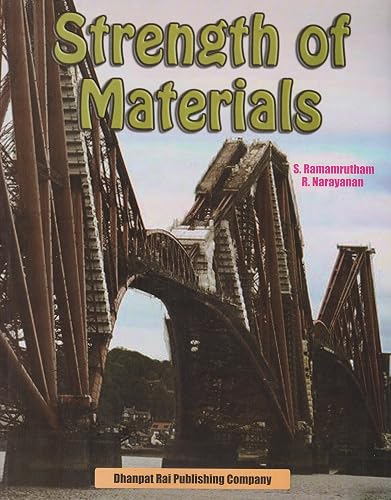
Strength of Materials by S. Ramamrutham and R. Narayanan
Core
We recommend this as your main book for strength of materials. Read the chapters on stresses and strains, elastic constants, bending and shear stresses, torsion, deflection and columns, and solve its worked examples for numericals.
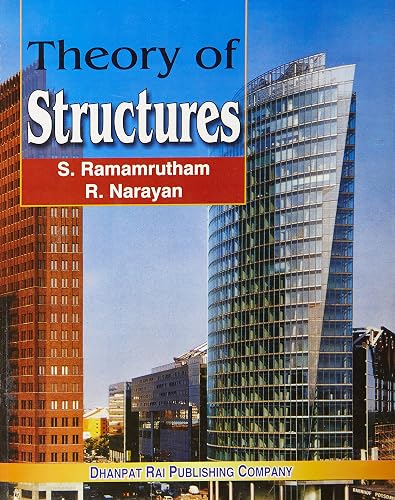
Theory of Structures by S. Ramamrutham and R. Narayanan
Core
Use this for the structural analysis part of the section. It covers energy theorems, consistent deformation, slope deflection, moment distribution, influence lines and arches with many solved problems.
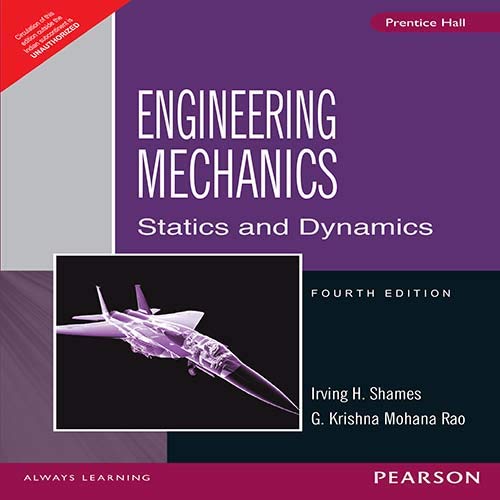
Engineering Mechanics: Statics and Dynamics by Irving H. Shames and G. Krishna Mohana Rao
Core
Read the chapters on equilibrium, centroids and moments of inertia, friction, and kinematics and kinetics of particles and rigid bodies. The worked examples build the method you need for engineering mechanics questions.
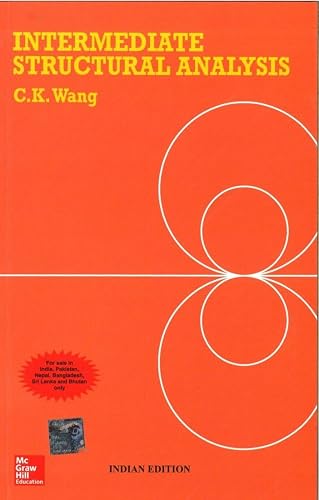
Intermediate Structural Analysis by C.K. Wang
Reference
Consult this for matrix methods (stiffness and flexibility) and the theory behind indeterminate analysis. Use it for specific topics rather than reading it fully.

Preparing for Prelims too?
Our UPSC Prelims Topic-wise PYQ Book covers every Prelims question with detailed explanations, so you can see exactly where UPSC asks from. Now available as a hard copy and an eBook.
Buy Hard Copy on AmazonBuy eBook (PDF)Paper I: Design of Structures: Steel, Concrete and Masonry Structures – Best Books
Limit state design of steel members, connections, plate and gantry girders; reinforced and prestressed concrete design; concrete mix design and brick masonry.
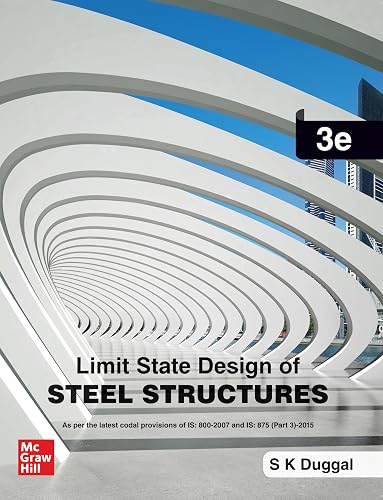
Limit State Design of Steel Structures by S.K. Duggal
Core
We recommend this for steel design to IS 800:2007. Read connections, tension and compression members, beams, plate girders, gantry girders and column bases, and work through the design examples step by step.
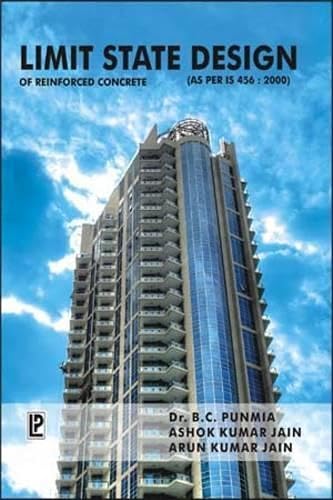
Limit State Design of Reinforced Concrete by B.C. Punmia, Ashok Kumar Jain and Arun Kumar Jain
Core
Use this as your main RCC design book to IS 456:2000. It covers beams, slabs, columns, footings, retaining walls and water tanks with full worked designs.
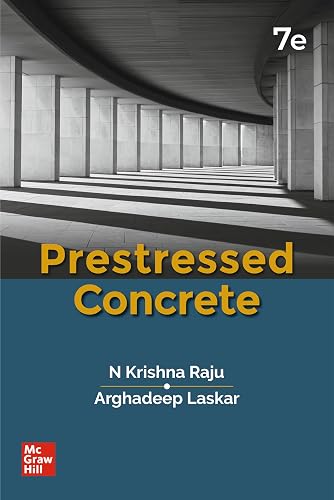
Prestressed Concrete by N. Krishna Raju
Core
Read the chapters on prestressing systems, losses of prestress, analysis of sections and design of beams. This is the standard Indian text for the prestressed concrete part of the syllabus.
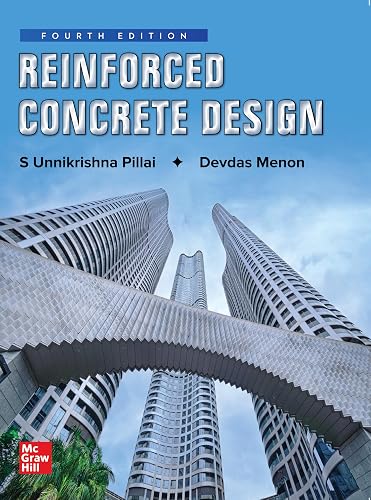
Reinforced Concrete Design by S. Unnikrishna Pillai and Devdas Menon
Alternative
Pick this or Punmia for RCC. It explains the reasoning behind each IS 456 clause more fully, which helps with theory questions as well as design.
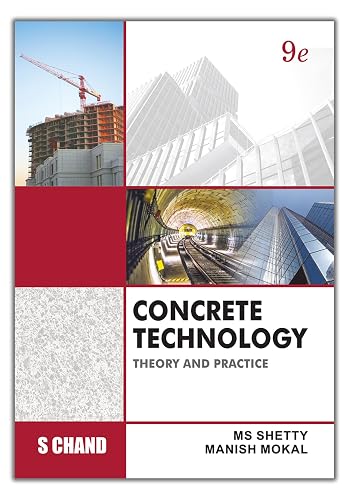
Concrete Technology: Theory and Practice by M.S. Shetty and A.K. Jain
Reference
Consult this for concrete mix design, admixtures and properties of fresh and hardened concrete. Use the mix design chapter alongside IS 10262.
Indian Standard Codes (IS 456, IS 800, IS 1343, IS 10262, IS 1905) by Bureau of Indian Standards
Website
Keep the main design codes open while you practise design problems. Learn the key clauses, partial safety factors and limiting values, since answers must follow the code.
Paper I: Fluid Mechanics, Open Channel Flow and Hydraulic Machines – Best Books
Fluid statics and kinematics, pipe flow, dimensional analysis, laminar and boundary layer flow, open channel flow, hydraulic jump, turbines and hydropower.
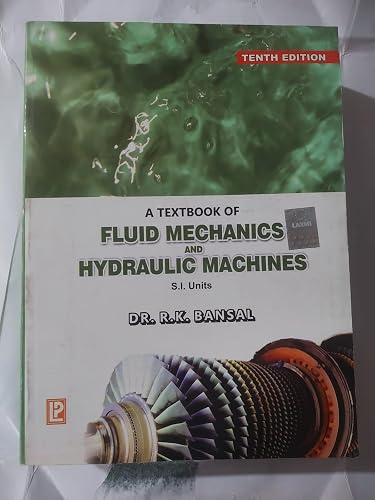
A Textbook of Fluid Mechanics and Hydraulic Machines by R.K. Bansal
Core
We recommend this as your base book for fluid mechanics and hydraulic machines. It has clear derivations and a large number of solved numericals on pipe flow, dimensional analysis, boundary layers and turbines.
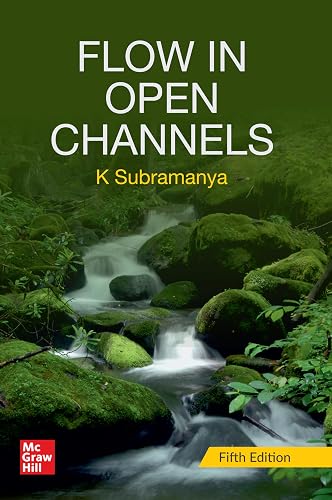
Flow in Open Channels by K. Subramanya
Core
Read this for the open channel part of the syllabus. Cover uniform flow, specific energy and critical depth, gradually varied flow profiles and hydraulic jump, and solve the end-of-chapter problems.
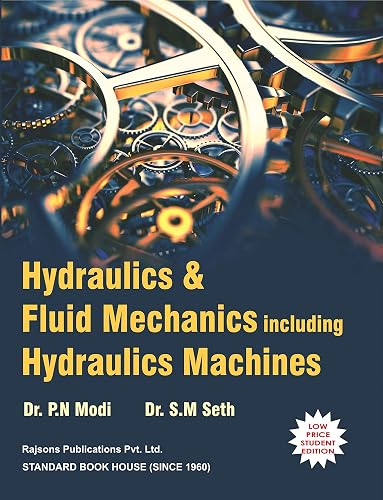
Hydraulics and Fluid Mechanics including Hydraulic Machines by P.N. Modi and S.M. Seth
Alternative
Pick this or Bansal. It treats the theory in more depth and is useful for derivation-type questions on boundary layers and hydraulic machines.
Paper I: Geotechnical Engineering – Best Books
Soil classification, permeability and seepage, shear strength, compaction, consolidation, earth pressure, bearing capacity, slope stability, piles and ground improvement.
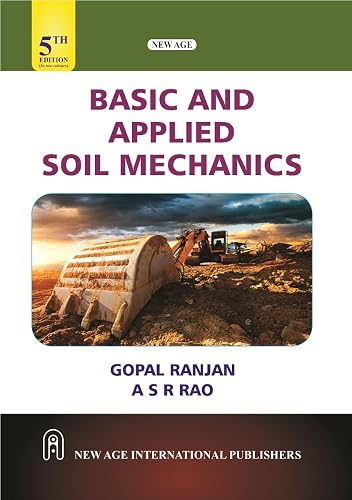
Basic and Applied Soil Mechanics by Gopal Ranjan and A.S.R. Rao
Core
We recommend this as your main geotechnical book. It is strong on consolidation, shear strength and seepage, and covers foundations and slope stability with worked examples.
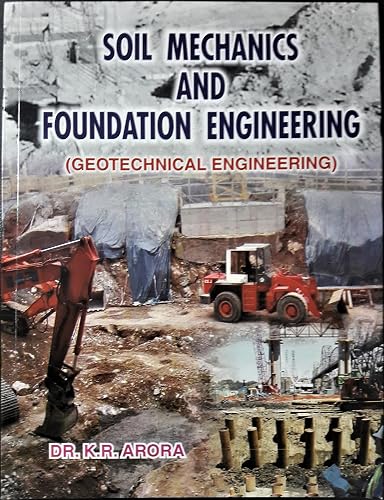
Soil Mechanics and Foundation Engineering by K.R. Arora
Alternative
Pick this or Gopal Ranjan. It is simpler to read and has many solved numericals, which suits students without a civil background.
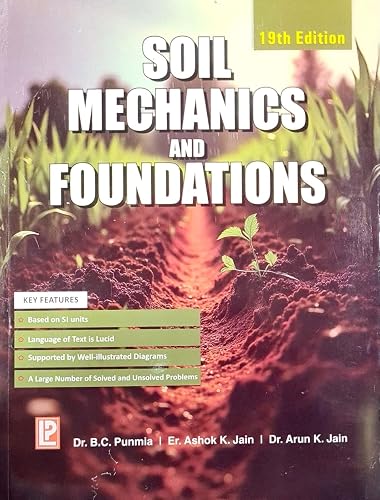
Soil Mechanics and Foundations by B.C. Punmia, Ashok Kumar Jain and Arun Kumar Jain
Alternative
Another full-coverage option with a large problem bank. Use it for extra practice on bearing capacity, piles and earth pressure if you are using one of the other two books.
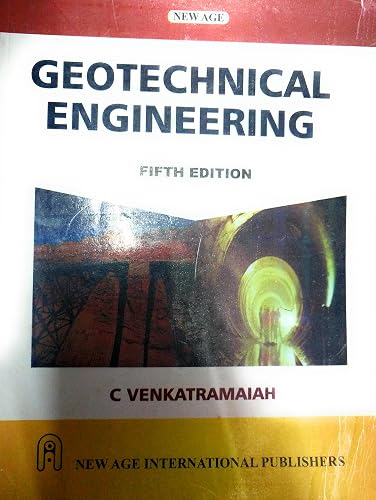
Geotechnical Engineering by C. Venkatramaiah
Reference
Consult this for subsurface exploration, machine foundations and ground improvement, and for a second explanation of topics you find hard.
Paper II: Construction Technology, Equipment, Planning and Management – Best Books
Building materials and construction, repairs, functional planning, estimating and valuation, construction machinery, CPM/PERT and project economics.
Building Construction by B.C. Punmia, Ashok Kumar Jain and Arun Kumar Jain
Core
We recommend this for the construction technology part. Read masonry, plastering, flooring, roofing, damp proofing, and repair and rehabilitation of buildings.
Construction Planning and Management by U.K. Srivastava
Core
Use this for CPM, PERT, crashing, resource levelling and engineering economics. It also covers project profitability and toll fixation, which UPSC asks.
A Text Book of Building Construction by S.P. Arora and S.P. Bindra
Alternative
Pick this or Punmia. It is concise and diagram-rich, which helps you draw neat sketches in answers.
Estimating and Costing in Civil Engineering: Theory and Practice by B.N. Dutta
Reference
Consult this for estimating methods, rate analysis and valuation. A few chapters are enough for the estimating and valuation part of the syllabus.

Strengthen your GS papers
Our UPSC Mains Topic-wise & Year-wise PYQ Book (2013–2026) maps every GS question to the syllabus, so you know what UPSC asks and how often. Now available as a hard copy and an eBook.
Buy Hard Copy on AmazonBuy eBook (PDF)Paper II: Surveying and Transportation Engineering – Best Books
Surveying, levelling, triangulation, photogrammetry and remote sensing; railway permanent way and track geometry; highway geometry, pavements and traffic engineering.
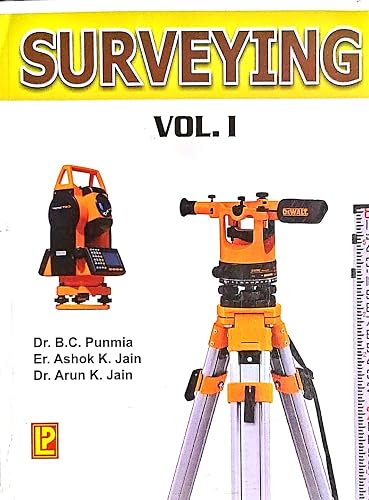
Surveying (Vol. 1, 2 and 3) by B.C. Punmia, Ashok Kumar Jain and Arun Kumar Jain
Core
We recommend Volume 1 for chain, compass, traversing and levelling, and Volume 2 for theodolite, triangulation and curves. Use Volume 3 only for photogrammetry and remote sensing basics.
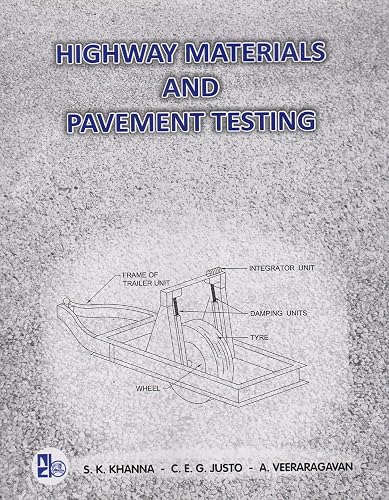
Highway Engineering by S.K. Khanna, C.E.G. Justo and A. Veeraragavan
Core
This is the standard text for highway engineering. Read alignment, geometric design, pavement materials, flexible and rigid pavement design to IRC methods, drainage and traffic engineering.
A Textbook of Railway Engineering by S.C. Saxena and S.P. Arora
Core
Use this for the railway part. Cover permanent way components, points and crossings, track geometry, and station and yard design.
Railway Engineering by Satish Chandra and M.M. Agarwal
Alternative
Pick this or Saxena and Arora. It reflects current Indian Railways practice in more detail.
Remote Sensing and GIS by Basudeb Bhatta
Reference
Consult a few chapters for remote sensing principles, sensors and image interpretation. This adds depth to short notes on photogrammetry and remote sensing.
Paper II: Hydrology, Water Resources and Engineering – Best Books
Hydrological cycle, runoff and hydrographs, flood routing, groundwater flow, reservoir planning, irrigation, canals, headworks, dams and spillways.
Engineering Hydrology by K. Subramanya
Core
We recommend this as your main hydrology book. Read precipitation, abstractions, runoff, hydrographs, floods, flood routing and groundwater, and solve its numericals.
Irrigation Engineering and Hydraulic Structures by S.K. Garg
Core
Use this for irrigation and water resources. Read crop water requirement, canal design, waterlogging, canal structures, diversion headworks, dams, spillways and river training.
Hydrology and Water Resources Engineering by S.K. Garg
Alternative
Pick this or Subramanya for hydrology. It also covers reservoir planning and sedimentation, which links to water resources questions.
Applied Hydrology by Ven Te Chow, David R. Maidment and Larry W. Mays
Reference
Consult this for the theory behind hydrographs and flood routing if you want deeper answers. It is not needed cover to cover.
Ground Water by H.M. Raghunath
Reference
Consult this for aquifer properties, confined and unconfined flow and well hydraulics. Use it to strengthen the groundwater part of the section.
Paper II: Environmental Engineering – Best Books
Water demand, quality and treatment; sewerage design; sewage characteristics and treatment; sludge disposal and solid waste management.
Environmental Engineering (Vol. I): Water Supply Engineering by S.K. Garg
Core
We recommend this for the water supply part. Read water demand, quality standards, intake, sedimentation, coagulation, filtration and disinfection.
Environmental Engineering (Vol. II): Sewage Disposal and Air Pollution Engineering by S.K. Garg
Core
Use this for sewerage, sewage characteristics and treatment. It covers sewer design, BOD and COD, primary and secondary treatment, sludge disposal and air pollution.
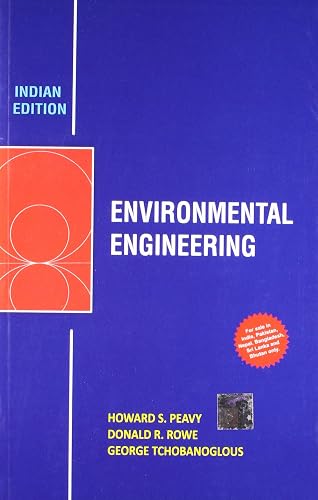
Environmental Engineering by Howard S. Peavy, Donald R. Rowe and George Tchobanoglous
Alternative
Pick this if you prefer a more concept-based treatment of water and wastewater treatment. It is shorter on Indian standards, so pair it with the CPHEEO manuals.
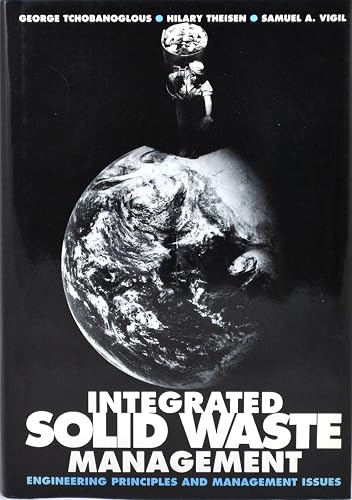
Integrated Solid Waste Management by George Tchobanoglous, Hilary Theisen and Samuel Vigil
Reference
Consult the chapters on collection, transfer and landfilling for solid waste questions. Add Indian rules and examples from current sources.
CPHEEO Manuals (Water Supply and Treatment; Sewerage and Sewage Treatment Systems; Municipal Solid Waste Management) by Central Public Health and Environmental Engineering Organisation
Website
These are the official Indian design manuals. Use them for design values, standards and Indian practice to add weight to your answers.
Paper II: Environmental Pollution – Best Books
Sustainable development, radioactive waste, environmental impact assessment, air pollution and its control, and pollution control laws.
Environmental Engineering (Vol. II): Sewage Disposal and Air Pollution Engineering by S.K. Garg
Core
Read the air pollution chapters for sources, effects, meteorology and control devices. This keeps your environmental papers to one familiar book.
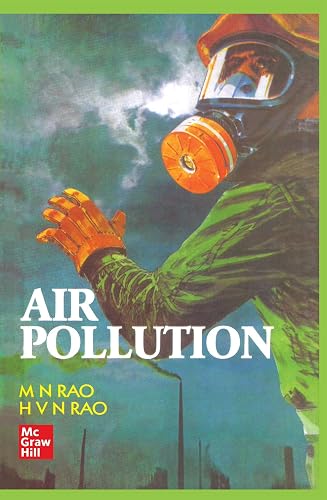
Air Pollution by M.N. Rao and H.V.N. Rao
Reference
Consult this for air pollution control equipment and sampling. It gives more depth than Garg for design-type questions.
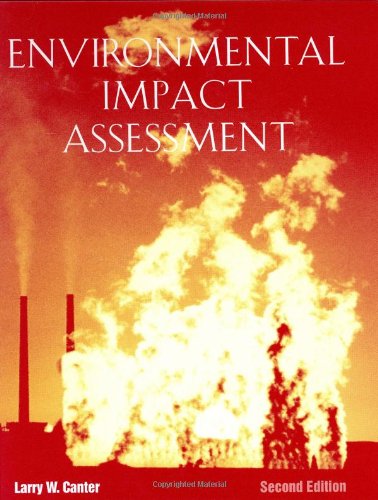
Environmental Impact Assessment by Larry W. Canter
Reference
Consult the chapters on EIA methods and impact prediction. Combine this with the Indian EIA notification for current procedure.
Central Pollution Control Board by Central Pollution Control Board
Website
Follow this for national standards, the Air and Water Acts, and current reports. Use its data and rules to update answers on pollution control.
How to use this Civil Engineering Optional booklist
- Start with Paper I mechanics, strength of materials and fluid mechanics, since later topics such as design, geotechnics and hydraulic structures build on them.
- Solve numericals from the same book you read; do not switch books just to find more problems. Use CSE and ESE previous year papers for extra practice.
- Practise RCC and steel design with IS 456 and IS 800 open, and write the clause or limiting value you use in each step.
- Paper II has more theory, so make short notes with labelled sketches for construction, railway, irrigation and treatment units.
- Keep one formula sheet each for hydrology, open channel flow and soil mechanics, and revise it weekly.
- In the last two months, write full-length tests under time limits; neat steps, units and diagrams earn marks even when the final number is wrong.
Some books you find useful may not be on this list. Use them if they fall within the syllabus and help you answer previous year questions – that is the only test that matters. If you spot an outdated edition or a broken link, tell us on the Report an Error page.
FAQs
Which are the best books for Civil Engineering Optional?
Our core picks, section by section – Engineering Mechanics, Strength of Materials and Structural Analysis: Strength of Materials (S. Ramamrutham and R. Narayanan), Theory of Structures (S. Ramamrutham and R. Narayanan), Engineering Mechanics: Statics and Dynamics (Irving H. Shames and G. Krishna Mohana Rao); Design of Structures: Steel, Concrete and Masonry Structures: Limit State Design of Steel Structures (S.K. Duggal), Limit State Design of Reinforced Concrete (B.C. Punmia, Ashok Kumar Jain and Arun Kumar Jain), Prestressed Concrete (N. Krishna Raju); Fluid Mechanics, Open Channel Flow and Hydraulic Machines: A Textbook of Fluid Mechanics and Hydraulic Machines (R.K. Bansal), Flow in Open Channels (K. Subramanya); Geotechnical Engineering: Basic and Applied Soil Mechanics (Gopal Ranjan and A.S.R. Rao); Construction Technology, Equipment, Planning and Management: Building Construction (B.C. Punmia, Ashok Kumar Jain and Arun Kumar Jain), Construction Planning and Management (U.K. Srivastava); Surveying and Transportation Engineering: Surveying (Vol. 1, 2 and 3) (B.C. Punmia, Ashok Kumar Jain and Arun Kumar Jain), Highway Engineering (S.K. Khanna, C.E.G. Justo and A. Veeraragavan), A Textbook of Railway Engineering (S.C. Saxena and S.P. Arora); Hydrology, Water Resources and Engineering: Engineering Hydrology (K. Subramanya), Irrigation Engineering and Hydraulic Structures (S.K. Garg); Environmental Engineering: Environmental Engineering (Vol. I): Water Supply Engineering (S.K. Garg), Environmental Engineering (Vol. II): Sewage Disposal and Air Pollution Engineering (S.K. Garg); Environmental Pollution: Environmental Engineering (Vol. II): Sewage Disposal and Air Pollution Engineering (S.K. Garg). Each book above is tagged Core, Alternative, Reference, Beginner or Website, so you know what to read first.
Which book should I start Civil Engineering Optional with?
Begin with the Core book for the first section – Strength of Materials by S. Ramamrutham and R. Narayanan – and read it alongside the syllabus and previous year questions for that unit.
Do I need to read every book on this list?
No. Read the Core books fully, choose only one book wherever we list an Alternative, and use Reference books only for specific topics. Keep your sources few and revise them several times.
Where can I find Civil Engineering Optional previous year questions?
All Civil Engineering Optional PYQs are on our topic-wise PYQs page, and full papers are on the year-wise question papers page. The syllabus page breaks each unit into numbered topics.
Last updated: 2 November 2026