
This is our booklist for Assamese Literature Optional, arranged by the UPSC syllabus: Paper I Section A (the Assamese language), Paper I Section B (literary criticism and literary history) and the prescribed texts of Paper II. Paper II requires first-hand reading of the texts and tests your critical ability, so read each prescribed work in the original before any guide. Answers in both papers must be written in Assamese. We mark each book Prescribed, Core (read fully), Alternative (pick this or the core book), Reference (consult selected chapters) or Beginner (start here).
We list the prescribed texts exactly as the UPSC syllabus names them, with the portion you must read. Paper II tests first-hand reading, so read each text in the original and use guides only alongside it. Where a book is hard to find in print, try the free sources we list, the Sahitya Akademi and university bookshops.
Jump to: Paper I Section A: Assamese Language · Paper I Section B: Literary Criticism and Literary History · Paper II Section A: Prescribed texts (Early and Vaishnavite literature) · Paper II Section B: Prescribed texts (Modern literature)
Some links on this page are Amazon affiliate links. If you buy through them, we may earn a small commission at no extra cost to you.
Paper I Section A: Assamese Language – Best Books
Origin, development and periods of Assamese, development of prose, vowels, consonants and phonetic change from Old Indo-Aryan, vocabulary, morphology, dialects (Kamrupi) and the Assamese script up to the nineteenth century.
Assamese: Its Formation and Development by Banikanta Kakati
Core
This is the standard work on the history of Assamese. Read the chapters on its place among the Indo-Aryan languages, phonology and morphology in full; most Section A questions can be answered from it.
Asamiya Bhashar Udbhav, Samriddhi aru Bikash (অসমীয়া ভাষাৰ উদ্ভৱ, সমৃদ্ধি আৰু বিকাশ) by Upendranath Goswami
Core
Our main Assamese-medium book for the origin, periods and growth of the language. Use it to frame Section A answers in Assamese with the right terms.
Asamiya Bhashar Itihas (অসমীয়া ভাষাৰ ইতিহাস) by Ramesh Pathak
Alternative
Pick this or Upendranath Goswami. It covers the periods of the language, the sources of vocabulary and sound change in a compact form suited to revision.
Asamiya Byakaranar Maulik Bichar (অসমীয়া ব্যাকৰণৰ মৌলিক বিচাৰ) by Golok Chandra Goswami
Reference
Use it for morphology: conjugation, enclitic definitives and pleonastic suffixes. Read the relevant chapters for unit (e).
Structure of Assamese by Golok Chandra Goswami
Reference
Consult it in English for the vowels, consonants and descriptive structure of the language. Selected chapters are enough for unit (c).
Asamiya Bhashar Ruptattva (অসমীয়া ভাষাৰ ৰূপতত্ত্ব) by Lilabati Saikia Bora
Reference
A focused book on Assamese morphology. Use it with Golok Chandra Goswami if you want more examples of suffixes and verb forms.
A Study on Kamrupi: A Dialect of Assamese by Upendranath Goswami
Reference
Read it for unit (f), where the Kamrupi dialect is named. Note the main phonological and morphological differences from the standard colloquial.
Evolution of Assamese Script by Mahendra Bora
Reference
Use it for unit (g) on the script from the early Kamarupa inscriptions to the nineteenth century. Selected chapters are enough.

Preparing for Prelims too?
Our UPSC Prelims Topic-wise PYQ Book covers every Prelims question with detailed explanations, so you can see exactly where UPSC asks from. Now available as a hard copy and an eBook.
Buy Hard Copy on AmazonBuy eBook (PDF)Paper I Section B: Literary Criticism and Literary History – Best Books
Principles of criticism up to New Criticism, literary genres, development of literary forms and of criticism in Assamese, and periods of literary history from the Charyageeta to the post-independence period.
Assamese Literature by Hem Barua
Beginner
Start here if you are new to the subject. This short survey gives you a map of the whole literary history before you move to the longer Assamese histories.
Asamiya Sahityar Samikshatmak Itibritta (অসমীয়া সাহিত্যৰ সমীক্ষাত্মক ইতিবৃত্ত) by Satyendranath Sarma
Core
This is our anchor for literary history. Read it in full for the periods from the Charyageeta through Sankaradeva to the Jonaki age and after independence, the three areas the syllabus asks you to stress.
Asamiya Sahityar Ruprekha (অসমীয়া সাহিত্যৰ ৰূপৰেখা) by Maheswar Neog
Alternative
Pick this or Satyendranath Sarma. Neog is strongest on the Vaishnavite period and its socio-cultural background.
History of Assamese Literature by Birinchi Kumar Barua
Reference
A concise English survey of the periods of Assamese literature. Use it for quick revision and an outline of each period.
An Introduction to the Study of Literature by W.H. Hudson
Core
Read it for units (a) and (b): the nature of poetry, drama, fiction and the essay, and the basic principles of criticism. It suits questions on literary genres.
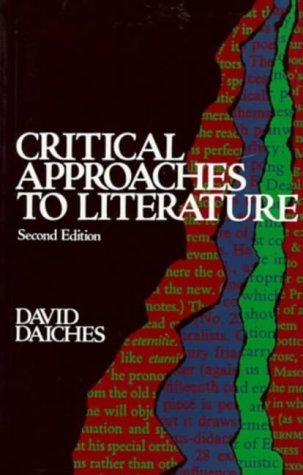
Critical Approaches to Literature by David Daiches
Reference
Use it for the development of criticism from Plato and Aristotle to the twentieth century. Read the chapters on the classical critics and on modern approaches up to New Criticism.
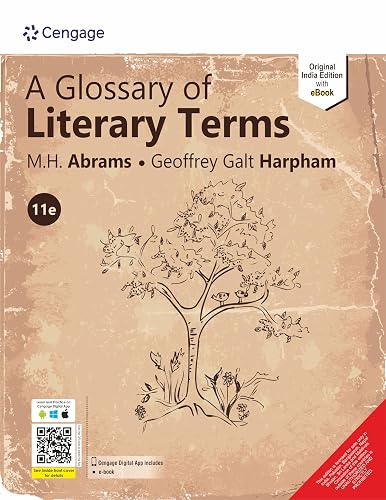
A Glossary of Literary Terms by M.H. Abrams
Reference
Keep it at hand for exact definitions of genres and critical terms such as tragedy, romanticism and New Criticism.
Sahitya Bidya Parikrama (সাহিত্য বিদ্যা পৰিক্ৰমা) by Tirthanath Sarma
Reference
An Assamese-medium book on literary theory. Use it to learn the Assamese terms for genres and critical concepts that you will need in your answers.
Paper II Section A: Prescribed texts (Early and Vaishnavite literature)
Madhava Kandali’s Ayodhya Kanda, Sankaradeva’s Parijat Harana and Rasakrida, Madhavadeva’s Bargeet and Rajasuya, Katha Bhagavata (Books I and II) and Gurucarit-Katha.
Saptakanda Ramayana: Ayodhya Kanda (সপ্তকাণ্ড ৰামায়ণ: অযোধ্যা কাণ্ড) by Madhava Kandali
Prescribed
Prescribed: the Ayodhya Kanda by Madhava Kandali only, not the cantos added later by Sankaradeva and Madhavadeva. Read the text for its free rendering of Valmiki, its local colour and its place as the first Assamese Ramayana.
Parijat Harana (পাৰিজাত হৰণ) by Sankaradeva
Prescribed
Prescribed: the Ankiya Nat. Read it for the form of the Ankiya play (sutradhar, Brajavali songs and slokas) and its devotional purpose.
Rasakrida (from Kirtana Ghosa) (কীৰ্তন ঘোষা: ৰাসক্ৰীড়া) by Sankaradeva
Prescribed
Prescribed: the Rasakrida section of the Kirtana Ghosa only. Read it for its treatment of the Rasa episode and how Sankaradeva shapes it to his ek-sarana bhakti.
Bargeet (বৰগীত) by Madhavadeva
Prescribed
Prescribed: Madhavadeva’s Bargeets. Read the songs themselves for their raga setting, Brajavali diction and their themes of devotion and the child Krishna.
Rajasuya (ৰাজসূয়) by Madhavadeva
Prescribed
Prescribed: the play. Read the text for its Mahabharata episode and dramatic structure, and compare it with Sankaradeva’s Parijat Harana.
Katha-Bhagavata (কথা-ভাগৱত) by Baikunthanath Bhagavata Bhattacharya (Bhattadeva)
Prescribed
Prescribed: Books I and II. Read the original for its prose style, which makes it a landmark of early Assamese prose and links it with unit (b) of Paper I Section A.
Gurucarit-Katha (গুৰুচৰিত-কথা) by Maheswar Neog (ed.)
Prescribed
Prescribed: Sankaradeva’s part only. Read it for the biographical tradition of the saint and its picture of the Vaishnavite movement and society.
Assamese Wikisource by Wikimedia community
Website
A free library of Assamese texts. Check whether a prescribed work is available there for a quick reading, but study from a printed edition.

Strengthen your GS papers
Our UPSC Mains Topic-wise & Year-wise PYQ Book (2013–2026) maps every GS question to the syllabus, so you know what UPSC asks and how often. Now available as a hard copy and an eBook.
Buy Hard Copy on AmazonBuy eBook (PDF)Paper II Section B: Prescribed texts (Modern literature)
Bezbaroa’s Mor Jeevan Soñwaran and Kripabar Barbaruar Kakatar Topola, Pratima, Gaonburha, Manomati, Purani Asamiya Sahitya, Karengar Ligiri, Jeevanar Batat, Mrityunjay and Samrat.
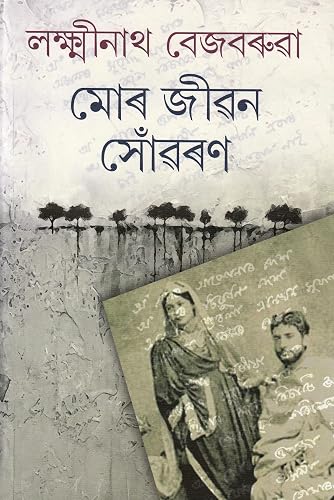
Mor Jeevan Sowaran (মোৰ জীৱন সোঁৱৰণ) by Lakshminath Bezbaroa
Prescribed
Prescribed: the autobiography. Read it for Bezbaroa’s life, the Jonaki movement and the Calcutta student circle that shaped modern Assamese literature.
Kripabar Barbaruar Kakatar Topola (কৃপাবৰ বৰবৰুৱাৰ কাকতৰ টোপোলা) by Lakshminath Bezbaroa
Prescribed
Prescribed: the satirical writings under the pen name Kripabar Barbarua. Focus on the targets of his humour and satire and on his prose style.
Pratima (প্ৰতিমা) by Chandra Kumar Agarwala
Prescribed
Prescribed: the poetry collection. Read it for the romantic poetry of the Jonaki age, its humanism and the poet’s idea of beauty.
Gaonburha (গাঁওবুঢ়া) by Padmanath Gohain Barua
Prescribed
Prescribed: the play. Read it for its comic picture of village life and the village headman, and its place in early modern Assamese drama.
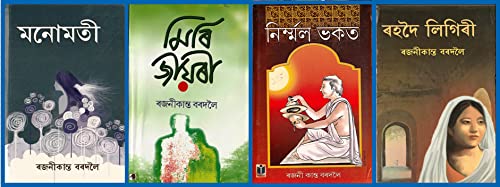
Manomati (মনোমতী) by Rajanikanta Bordoloi
Prescribed
Prescribed: the historical novel set during the Burmese invasions of Assam. Read it for its plot and love story and for Bordoloi’s use of history.
Purani Asamiya Sahitya (পুৰণি অসমীয়া সাহিত্য) by Banikanta Kakati
Prescribed
Prescribed: the critical study of early Assamese literature. Read it for Kakati’s assessment of the pre-Sankaradeva and Vaishnavite poets; it also serves Paper I Section B.
Karengar Ligiri (কাৰেঙৰ লিগিৰী) by Jyotiprasad Agarwala
Prescribed
Prescribed: the play set in the Ahom royal palace. Read it for its central character, the palace maid, its dramatic conflict and Jyotiprasad’s stagecraft.
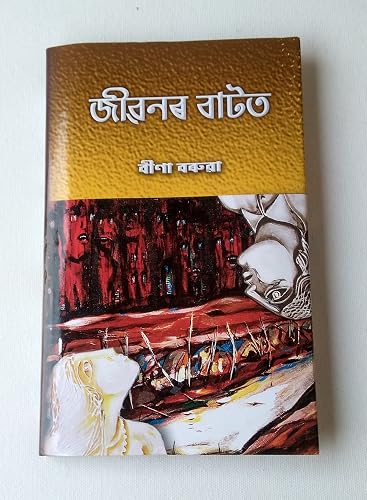
Jeevanar Batat (জীৱনৰ বাটত) by Bina Barua (Birinchi Kumar Barua)
Prescribed
Prescribed: the novel. Read it for its picture of rural Assamese life and the social change of its time.
Mrityunjay (মৃত্যুঞ্জয়) by Birendra Kumar Bhattacharya
Prescribed
Prescribed: the Jnanpith-winning novel on the 1942 movement in Assam. Read it for its rebels, the tension between violence and Gandhian non-violence, and its narrative technique.
Samrat (সম্ৰাট) by Navakanta Barua
Prescribed
Prescribed: read the full text and prepare its themes, form and style, and how it reflects the modernist sensibility of a major post-independence writer.
How to use this Assamese Literature Optional booklist
- Read the Vaishnavite texts of Section A in the original, and learn the conventions of the Ankiya Nat (sutradhar, Brajavali songs, slokas) so that you can discuss Parijat Harana and Rajasuya as plays, not only as stories.
- For Section A of Paper I, make a table of sound changes from Old Indo-Aryan to Assamese with two examples each, as Kakati sets them out; questions on phonetic change reward exact examples.
- Prepare the Kamrupi dialect separately: list its main differences from the standard colloquial in sounds, morphology and vocabulary.
- The syllabus asks for special emphasis on the Vaishnavite, Jonaki and post-independence periods, so give these three the most time and link them with Sankaradeva, Bezbaroa and Mrityunjay in Paper II.
- For criticism up to New Criticism, prepare short notes on Aristotle, Longinus, Wordsworth, Coleridge, Arnold, Eliot, Richards and the New Critics, and add how Assamese criticism developed from Bezbaroa and Kakati onward.
- Write all answers in Assamese in timed practice, and use Assamese critical terms rather than English ones where they exist.
Some books you find useful may not be on this list. Use them if they fall within the syllabus and help you answer previous year questions. If you spot a wrong title, an outdated edition or a broken link, tell us on the Report an Error page.
FAQs
Which are the best books for Assamese Literature Optional Paper I?
Our core picks, section by section – Assamese Language: Assamese: Its Formation and Development (Banikanta Kakati), Asamiya Bhashar Udbhav, Samriddhi aru Bikash (Upendranath Goswami); Literary Criticism and Literary History: Asamiya Sahityar Samikshatmak Itibritta (Satyendranath Sarma), An Introduction to the Study of Literature (W.H. Hudson). Each book above is tagged so you know what to read first.
Which texts are prescribed for Assamese Literature Optional?
The UPSC syllabus prescribes 17 texts for first-hand reading: Saptakanda Ramayana: Ayodhya Kanda (Madhava Kandali); Parijat Harana (Sankaradeva); Rasakrida (from Kirtana Ghosa) (Sankaradeva); Bargeet (Madhavadeva); Rajasuya (Madhavadeva); Katha-Bhagavata (Baikunthanath Bhagavata Bhattacharya (Bhattadeva)); Gurucarit-Katha (Maheswar Neog (ed.)); Mor Jeevan Sowaran (Lakshminath Bezbaroa); Kripabar Barbaruar Kakatar Topola (Lakshminath Bezbaroa); Pratima (Chandra Kumar Agarwala); Gaonburha (Padmanath Gohain Barua); Manomati (Rajanikanta Bordoloi); Purani Asamiya Sahitya (Banikanta Kakati); Karengar Ligiri (Jyotiprasad Agarwala); Jeevanar Batat (Bina Barua (Birinchi Kumar Barua)); Mrityunjay (Birendra Kumar Bhattacharya); Samrat (Navakanta Barua). We list the exact portions under each text above.
In which language must I write answers in Assamese Literature Optional?
Both papers must be answered in Assamese, as the UPSC syllabus states for Assamese Literature.
Do I need to read every book on this list?
Read every prescribed text in the original, since Paper II tests first-hand reading. For Paper I, read the Core books fully, choose only one book wherever we list an Alternative, and use Reference books only for specific topics. If you are new to the subject, begin with Assamese Literature (Hem Barua).
Last updated: 2 November 2026