
This booklist covers the full UPSC Telugu Literature syllabus: the Telugu language and the history of Telugu literature for Paper I, and all fifteen prescribed texts for Paper II. Paper II requires first-hand reading of the prescribed texts and tests your critical ability through aesthetic, sociological, historical, ideological and psychological approaches, so read each text in the original. Answers in both papers must be written in Telugu. We mark each book Prescribed, Core (read fully), Alternative (pick this or the core book), Reference (selected chapters) or Beginner (start here).
We list the prescribed texts exactly as the UPSC syllabus names them, with the portion you must read. Paper II tests first-hand reading, so read each text in the original and use guides only alongside it. Where a book is hard to find in print, try the free sources we list, the Sahitya Akademi and university bookshops.
Jump to: Paper I Section A: Language · Paper I Section B: Literature · Paper II Section A: Prescribed texts (Classical poetry) · Paper II Section B: Prescribed texts (Modern poetry and prose)
Some links on this page are Amazon affiliate links. If you buy through them, we may earn a small commission at no extra cost to you.
Paper I Section A: Language – Best Books
Telugu among Dravidian languages, historical linguistic changes, spoken and classical Telugu, borrowing, modernisation, dialects, syntax and translation.
Telugu Bhasha Charitra (తెలుగు భాషా చరిత్ర) by Ed. Bhadriraju Krishnamurti
Core
Our main book for Section A. The chapters by leading linguists cover the place of Telugu among Dravidian languages, phonological and morphological changes from Proto-Dravidian to modern Telugu, borrowing, dialects and modern standard Telugu. Read it in full.
Andhra Bhasha Vikasamu (ఆంధ్ర భాషా వికాసము) by Ganti Jogi Somayaji
Alternative
An older classic on the history of Telugu. Use it alongside or in place of the edited volume for antiquity, the etymology of Telugu, Tenugu and Andhra, and the stages of the language.
The Dravidian Languages by Bhadriraju Krishnamurti
Reference
Consult the chapters on the Dravidian family, subgrouping and comparative phonology and morphology for precise facts on Telugu’s place among Dravidian languages.
Telugu Vakyam (తెలుగు వాక్యం) by Chekuri Rama Rao
Reference
Use it for the syntax unit: sentence types, noun and verb predication, nominalisation, relativisation and direct and indirect reporting. Read the chapters that match the syllabus.
Anuvada Samasyalu (అనువాద సమస్యలు) by Rachamallu Ramachandra Reddy
Reference
A well-known Telugu book on the problems of translation. Use it for the translation unit: cultural, social and idiomatic problems and approaches to translation, with Telugu examples.
Andhra Bharati by Andhra Bharati
Website
A free Telugu literary site with classical texts and dictionaries. We recommend it for looking up words and checking verses from the prescribed classical texts.

Preparing for Prelims too?
Our UPSC Prelims Topic-wise PYQ Book covers every Prelims question with detailed explanations, so you can see exactly where UPSC asks from. Now available as a hard copy and an eBook.
Buy Hard Copy on AmazonBuy eBook (PDF)Paper I Section B: Literature – Best Books
Pre-Nannaya period to the prabandha age, the southern school, modern literary forms and movements, Digambara, feminist and Dalit literature, and folk literature.
Andhra Sahitya Charitra (ఆంధ్ర సాహిత్య చరిత్ర) by Pingali Lakshmikantam
Core
The classic history of Telugu literature. Read it for the pre-Nannaya period, marga and desi poetry, Nannaya, the Saiva poets, Tikkana, Errana, Nachana Somana, Srinatha, Potana and the prabandha age. It is detailed, so read with the syllabus units in front of you.
Telugu Sahitya Charitra (తెలుగు సాహిత్య చరిత్ర) by Dwa. Na. Sastry
Core
A compact, exam-friendly history that runs from the beginnings to modern movements. Use it as your revision book for all thirteen units and for the modern period that the older histories do not cover.
Samagra Andhra Sahityam (సమగ్ర ఆంధ్ర సాహిత్యం) by Arudra
Reference
A multi-volume history of Telugu literature. Consult the volumes on the Bhakti poets, the southern school and the women poets when you need more depth than the main books give.
Adhunikandhra Kavitvamu: Sampradayamulu, Prayogamulu (ఆధునికాంధ్ర కవిత్వము: సంప్రదాయములు, ప్రయోగములు) by C. Narayana Reddy
Reference
A standard study of modern Telugu poetry. Read the chapters on the reform, nationalist, romantic (bhava kavitvam), progressive and revolutionary trends for units 10 and 11.
Telugu Janapada Geya Sahityamu (తెలుగు జానపద గేయ సాహిత్యము) by Biruduraju Ramaraju
Core
The standard work on Telugu folk songs. Use it for unit 13: the main divisions of folk literature, with examples you can quote. Add performing folk arts such as Burrakatha and Yakshagana from your notes.
Telugu Wikisource by Wikimedia
Website
Free Telugu texts, including many classical kavyas and older reference books. Use it to read passages when a printed edition is not at hand.
Paper II Section A: Prescribed texts (Classical poetry)
Nannaya, Tikkana, Srinatha, Pingali Surana, Molla and Kasula Purushottama Kavi.
Dushyanta Charitra (Andhra Mahabharatamu, Adi Parva) (దుష్యంత చరిత్ర (ఆంధ్ర మహాభారతము, ఆదిపర్వము)) by Nannaya
Prescribed
Prescribed: Adi Parva, 4th canto, verses 5 to 109. Read the verses in the original with meaning. Focus on Nannaya’s narrative of Dushyanta and Shakuntala, his style and the qualities usually attributed to his poetry.
Sri Krishna Rayabaramu (Andhra Mahabharatamu, Udyoga Parva) (శ్రీకృష్ణ రాయబారము (ఉద్యోగపర్వము)) by Tikkana
Prescribed
Prescribed: Udyoga Parva, 3rd canto, verses 1 to 144. Read the verses in the original. Focus on Krishna’s embassy to the Kauravas, the dramatic quality of the dialogues and Tikkana’s characterisation.
Gunanidhi Katha (Kasikhandamu) (గుణనిధి కథ (కాశీఖండము)) by Srinatha
Prescribed
Prescribed: Kasikhandamu, 4th canto, verses 76 to 133. Read the verses in the original. Focus on the story of the wayward Gunanidhi and his redemption, and on Srinatha’s style and descriptions.
Sugatri Salinula Katha (Kalapurnodayamu) (సుగాత్రీ శాలీనుల కథ (కళాపూర్ణోదయము)) by Pingali Surana
Prescribed
Prescribed: Kalapurnodayamu, 4th canto, verses 60 to 142. Read the verses in the original. Focus on the story of Sugatri and Salina, Surana’s original plot construction and the place of Kalapurnodayamu among prabandhas.
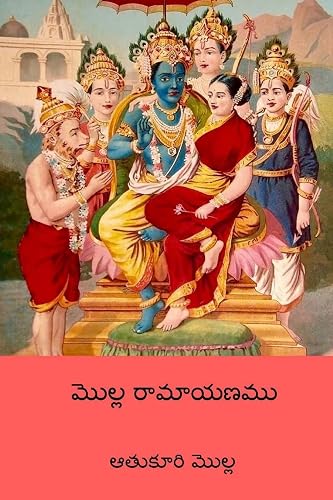
Molla Ramayanamu (మొల్ల రామాయణము) by Atukuri Molla
Prescribed
Prescribed: Balakanda, including the avatarika. Read it in the original. Focus on Molla’s simple, lucid style, her statements about poetry in the avatarika and her place as a woman poet.
Andhra Nayaka Satakamu (ఆంధ్ర నాయక శతకము) by Kasula Purushottama Kavi
Prescribed
Prescribed: the full satakam. Read the verses in the original. Focus on the sataka form, the poet’s mode of praise through apparent censure and his wit.

Strengthen your GS papers
Our UPSC Mains Topic-wise & Year-wise PYQ Book (2013–2026) maps every GS question to the syllabus, so you know what UPSC asks and how often. Now available as a hard copy and an eBook.
Buy Hard Copy on AmazonBuy eBook (PDF)Paper II Section B: Prescribed texts (Modern poetry and prose)
Gurajada, Viswanatha, Devulapalli Krishna Sastri, Sri Sri, Jashuva, C. Narayana Reddy, Kanuparti Varalakshmamma, Atreya and Rachakonda Viswanatha Sastry.
Animutyalu (ఆణిముత్యాలు) by Gurajada Appa Rao
Prescribed
Prescribed: Animutyalu, Gurajada’s short stories. Read every story and focus on his social reform concerns, his use of spoken Telugu and his role in the birth of the modern Telugu short story.
Andhra Prasasti (ఆంధ్ర ప్రశస్తి) by Viswanatha Satyanarayana
Prescribed
Prescribed: Andhra Prasasti. Read the poems in the original and focus on Viswanatha’s evocation of Telugu history and heroes, his classical diction and the neo-classical outlook.
Krishnapaksham (కృష్ణపక్షము) by Devulapalli Krishna Sastri
Prescribed
Prescribed: Krishnapaksham, excluding Urvasi and Pravasam. Read the poems in the original and focus on the features of bhava kavitvam: personal emotion, longing, nature and musical language.
Mahaprasthanam (మహాప్రస్థానం) by Sri Sri
Prescribed
Prescribed: Mahaprasthanam. Read every poem and learn key lines. Focus on its progressive and revolutionary vision, its new rhythms and imagery and Chalam’s preface.
Gabbilam (Part I) (గబ్బిలం) by Gurram Jashuva
Prescribed
Prescribed: Part I. Read the poem in the original. Focus on how Jashuva uses the sandesa kavya form with a bat as messenger to protest against untouchability, and on its place in Dalit literature.
Karpura Vasantharayalu (కర్పూర వసంతరాయలు) by C. Narayana Reddy
Prescribed
Prescribed: Karpura Vasantharayalu. Read the full poem and focus on its story of the poet-king Kumaragiri and the dancer Lakuma, its lyrical form and its romantic treatment of history.
Sarada Lekhalu (Part I) (శారద లేఖలు) by Kanuparti Varalakshmamma
Prescribed
Prescribed: Part I. Read the letters in full and focus on their discussion of women’s education and rights, their epistolary form and the author’s place in early feminist writing in Telugu.
N.G.O. (ఎన్.జి.ఓ.) by Acharya Atreya
Prescribed
Prescribed: the play N.G.O. Read it in full and focus on its portrayal of the struggles of a lower-middle-class government employee, its realism and its dramatic technique.
Alpajeevi (అల్పజీవి) by Rachakonda Viswanatha Sastry
Prescribed
Prescribed: the novel Alpajeevi. Read it in full and focus on the inner life of its timid protagonist, the psychological approach and the stream-of-consciousness technique.
How to use this Telugu Literature Optional booklist
- Read the prescribed classical portions verse by verse with a prati-padartham edition, and learn a few key padyams from each text by heart for quotation.
- Paper II names the critical approaches it expects: rasa, dhvani, vakrokti, auchitya, imagery and symbolism, and the sociological, historical, ideological and psychological approaches. Prepare a short note on each and apply them to every text.
- Link Paper I literary history with Paper II texts: Nannaya, Tikkana, Srinatha and the prabandha age in Section A, and the reform, romantic, progressive, revolutionary and Dalit movements in Section B.
- For the language section, prepare clear examples for each linguistic change from Proto-Dravidian to modern Telugu, and for dialects, syntax and translation.
- Keep Telugu answers in standard modern prose (vyavaharika), but quote the classical verses exactly as written.
- Solve the previous year questions; vyakhyana (explanation of passages) questions from the prescribed texts come every year.
Some books you find useful may not be on this list. Use them if they fall within the syllabus and help you answer previous year questions. If you spot a wrong title, an outdated edition or a broken link, tell us on the Report an Error page.
FAQs
Which are the best books for Telugu Literature Optional Paper I?
Our core picks, section by section – Language: Telugu Bhasha Charitra (Ed. Bhadriraju Krishnamurti); Literature: Andhra Sahitya Charitra (Pingali Lakshmikantam), Telugu Sahitya Charitra (Dwa. Na. Sastry), Telugu Janapada Geya Sahityamu (Biruduraju Ramaraju). Each book above is tagged so you know what to read first.
Which texts are prescribed for Telugu Literature Optional?
The UPSC syllabus prescribes 15 texts for first-hand reading: Dushyanta Charitra (Andhra Mahabharatamu, Adi Parva) (Nannaya); Sri Krishna Rayabaramu (Andhra Mahabharatamu, Udyoga Parva) (Tikkana); Gunanidhi Katha (Kasikhandamu) (Srinatha); Sugatri Salinula Katha (Kalapurnodayamu) (Pingali Surana); Molla Ramayanamu (Atukuri Molla); Andhra Nayaka Satakamu (Kasula Purushottama Kavi); Animutyalu (Gurajada Appa Rao); Andhra Prasasti (Viswanatha Satyanarayana); Krishnapaksham (Devulapalli Krishna Sastri); Mahaprasthanam (Sri Sri); Gabbilam (Part I) (Gurram Jashuva); Karpura Vasantharayalu (C. Narayana Reddy); Sarada Lekhalu (Part I) (Kanuparti Varalakshmamma); N.G.O. (Acharya Atreya); Alpajeevi (Rachakonda Viswanatha Sastry). We list the exact portions under each text above.
In which language must I write answers in Telugu Literature Optional?
Both papers must be answered in Telugu, as the UPSC syllabus states for Telugu Literature.
Do I need to read every book on this list?
Read every prescribed text in the original, since Paper II tests first-hand reading. For Paper I, read the Core books fully, choose only one book wherever we list an Alternative, and use Reference books only for specific topics.
Last updated: 2 November 2026