
This is our booklist for Punjabi Literature Optional, arranged by the UPSC syllabus: Paper I Section A (Punjabi language, dialects, Gurmukhi and medieval literature), Paper I Section B (modern trends, folk literature, literary forms and criticism) and the prescribed texts of Paper II. Paper II requires first-hand reading of the prescribed texts and tests your critical ability, so read the original works before any guide. Both papers must be answered in Punjabi in Gurmukhi script. For every book we mark a priority: Prescribed, Core, Alternative, Reference, Beginner or Website.
We list the prescribed texts exactly as the UPSC syllabus names them, with the portion you must read. Paper II tests first-hand reading, so read each text in the original and use guides only alongside it. Where a book is hard to find in print, try the free sources we list, the Sahitya Akademi and university bookshops.
Jump to: Paper I Section A: Punjabi Language, Gurmukhi and Medieval Literature · Paper I Section B: Modern Trends, Folk Literature, Forms and Criticism · Paper II Section A: Prescribed texts (Medieval poetry) · Paper II Section B: Prescribed texts (Modern poetry and prose)
Some links on this page are Amazon affiliate links. If you buy through them, we may earn a small commission at no extra cost to you.
Paper I Section A: Punjabi Language, Gurmukhi and Medieval Literature – Best Books
Origin and development of Punjabi; phonology and tones; morphology, word formation and syntax; dialects (Pothohari, Majhi, Doabi, Malwai, Paudhi); Gurmukhi script; Nath Jogi literature; Gurmat, Sufi, Kissa and Var literature; Janamsakhis.
Punjabi Bhasha: Sarot te Saroop (ਪੰਜਾਬੀ ਭਾਸ਼ਾ : ਸਰੋਤ ਤੇ ਸਰੂਪ) by Boota Singh Brar
Core
Our main book for the origin, stages of development and structure of Punjabi. Read the chapters on origin, phonology and tones, and dialects.
Punjabi Viakaran: Sidhant ate Vihar (ਪੰਜਾਬੀ ਵਿਆਕਰਨ : ਸਿਧਾਂਤ ਅਤੇ ਵਿਹਾਰ) by Boota Singh Brar
Core
Use it for the morphology and syntax unit: the number-gender system, affixes, postpositions, word formation, tatsam and tadbhav forms, and noun and verb phrases.
Punjabi Viakaran (ਪੰਜਾਬੀ ਵਿਆਕਰਨ) by Harkirat Singh and Giani Lal Singh
Alternative
Pick this or Brar for grammar. It is a compact university text on Punjabi grammar from the Punjab State University Text Book Board.
Punjabi Bhasha te Viakaran (ਪੰਜਾਬੀ ਭਾਸ਼ਾ ਤੇ ਵਿਆਕਰਨ) by Duni Chandra
Reference
An older standard work on Punjabi language and grammar (Panjab University). Consult it for the classic description of Punjabi forms.
Punjabi Boli da Itihas (ਪੰਜਾਬੀ ਬੋਲੀ ਦਾ ਇਤਿਹਾਸ) by Sant Singh Sekhon
Reference
Consult it for the history of the Punjabi language and for an established view of its origin.
Panjabi Phonology: A Sociolinguistic Study by Sukhvinder Singh
Reference
An English study of Punjabi sounds and their social variation. Use selected chapters for tones and for speech variation across social groups.
Punjabi Sahit di Utpati ate Vikas (ਪੰਜਾਬੀ ਸਾਹਿਤ ਦੀ ਉਤਪਤੀ ਤੇ ਵਿਕਾਸ) by Kirpal Singh Kasel, Parminder Singh and Gobind Singh Lamba
Core
Our anchor for literary history (Lahore Book Shop). Read the parts on Nath Jogi literature, Gurmat, Sufi, Kissa and Var poetry and the Janamsakhis for Section A, and the modern chapters for Section B.
Punjabi Sahit da Itihas: Aad Kaal to 1700 tak (ਪੰਜਾਬੀ ਸਾਹਿਤ ਦਾ ਇਤਿਹਾਸ : ਆਦਿ ਕਾਲ ਤੋਂ 1700 ਤੱਕ) by Parminder Singh
Alternative
Pick this or Kasel for the early and medieval period. Published by Punjabi University, Patiala, it covers the Nath Jogi, Gurmat and Sufi traditions in detail.
Gurmat Kaav da Itihas (ਗੁਰਮਤਿ ਕਾਵਿ ਦਾ ਇਤਿਹਾਸ) by Jagbir Singh
Reference
Consult it for Gurmat poetry: the Bani of the Gurus, its forms and its thought.
Punjabi Sufi Kaav da Itihas (ਪੰਜਾਬੀ ਸੂਫ਼ੀ ਕਾਵਿ ਦਾ ਇਤਿਹਾਸ) by Gurdev Singh
Reference
Use it for Sufi poetry from Farid to Bulleh Shah; it links directly with the Paper II texts.
Punjabi Kissa Kaav da Itihas (ਪੰਜਾਬੀ ਕਿੱਸਾ ਕਾਵਿ ਦਾ ਇਤਿਹਾਸ) by Kulbir Singh Kang
Reference
Consult it for the kissa tradition, with Waris Shah’s Heer at its centre.
Punjabi Var Kaav da Itihas (ਪੰਜਾਬੀ ਵਾਰ ਕਾਵਿ ਦਾ ਇਤਿਹਾਸ) by Sutinder Singh Noor
Reference
Use it for the var form, from Asa di Var to Shah Mohammad’s Jangnama.

Preparing for Prelims too?
Our UPSC Prelims Topic-wise PYQ Book covers every Prelims question with detailed explanations, so you can see exactly where UPSC asks from. Now available as a hard copy and an eBook.
Buy Hard Copy on AmazonBuy eBook (PDF)Paper I Section B: Modern Trends, Folk Literature, Forms and Criticism – Best Books
Mystic, romantic, progressive, neo-mystic, experimentalist, aesthete and neo-progressive poetry; folk songs, tales, riddles and proverbs; epic and lyric; drama, novel and short story; Sanskrit, Persian and Western influences; essay; literary criticism.
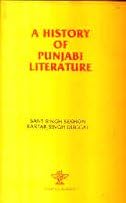
A History of Punjabi Literature by Sant Singh Sekhon
Core
A Sahitya Akademi history in English. Read the modern chapters for the poetic trends and the development of drama, novel, short story and essay; take your examples in Punjabi from the prescribed texts.
Punjab da Lok Virsa (ਪੰਜਾਬ ਦਾ ਲੋਕ ਵਿਰਸਾ) by Karnail Singh Thind
Core
Our main book for folk literature (Punjabi University, Patiala). Read the chapters on folk songs, folk tales, riddles and proverbs and collect examples from them.
Punjabi Lok Sahit Shastar (ਪੰਜਾਬੀ ਲੋਕ ਸਾਹਿਤ ਸ਼ਾਸਤਰ) by Jaswinder Singh
Alternative
Pick this or Thind for folk literature. It is stronger on the theory and classification of folk forms.
Punjabi Lokdhara Vishvakosh (ਪੰਜਾਬੀ ਲੋਕਧਾਰਾ ਵਿਸ਼ਵਕੋਸ਼) by Wanjara Bedi
Reference
A multi-volume encyclopaedia of Punjabi folklore. Consult it in a library for examples and definitions; you do not need to buy it.
Punjabi Alochana: Sidhant te Vihar (ਪੰਜਾਬੀ ਆਲੋਚਨਾ : ਸਿਧਾਂਤ ਤੇ ਵਿਹਾਰ) by Harbhajan Singh Bhatia
Core
Our main book for literary criticism. Read the chapters on the critics named in the syllabus (Sekhon, Attar Singh, Kishan Singh, Harbhajan Singh, Najm Hussain Syed) and their methods.
Sahit Adhyan (ਸਾਹਿਤ ਅਧਿਐਨ) by Harbhajan Singh
Reference
A work by one of the critics named in the syllabus (Guru Nanak Dev University). Read selected essays to understand his approach.
Uttar-Adhunikta te Samkali Punjabi Kavita (ਉੱਤਰ-ਆਧੁਨਿਕਤਾ ਤੇ ਸਮਕਾਲੀ ਪੰਜਾਬੀ ਕਵਿਤਾ) by Atam Singh Randhawa
Reference
Consult it for the later trends of Punjabi poetry, including the neo-progressive poets Pash, Jagtar and Patar.
Paper II Section A: Prescribed texts (Medieval poetry)
Sheikh Farid, Guru Nanak (Japu Ji, Barah Maha, Asa di Var), Bulleh Shah and Waris Shah.
Bani Sheikh Farid (ਬਾਣੀ ਸ਼ੇਖ਼ ਫ਼ਰੀਦ) by Sheikh Farid
Prescribed
The complete Bani of Sheikh Farid as included in the Adi Granth is prescribed: his shabads and sloks. Read every slok with a commentary; focus on his Sufi thought, the images of death and the body, and his early Punjabi (Lahndi) language.
Japu Ji (ਜਪੁਜੀ ਸਾਹਿਬ) by Guru Nanak
Prescribed
The whole of Japu Ji is prescribed. Read all 38 pauris with the sloks in a standard steek; focus on its thought (hukam, naam, the five khands) and its compressed poetic style.
Barah Maha (Tukhari) (ਬਾਰਹ ਮਾਹਾ (ਤੁਖਾਰੀ)) by Guru Nanak
Prescribed
Guru Nanak’s Barah Maha in Raag Tukhari is prescribed (the syllabus prints it as Baramah). Read it in full; focus on the use of the seasons and the folk barahmaha form to express the soul’s longing for the divine.
Asa di Var (ਆਸਾ ਦੀ ਵਾਰ) by Guru Nanak
Prescribed
The whole of Asa di Var is prescribed. Read the pauris and sloks with a steek; focus on its social and religious criticism and on the var form.
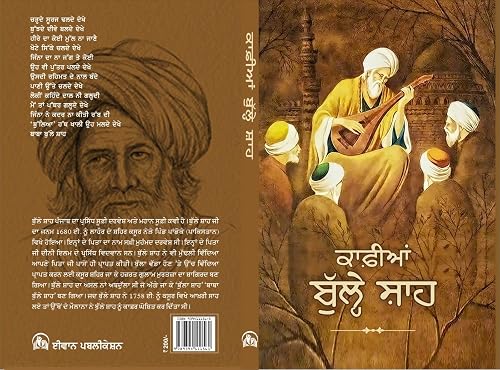
Kafian (ਕਾਫ਼ੀਆਂ) by Bulleh Shah
Prescribed
Bulleh Shah’s Kafian are prescribed. Read them in a reliable Gurmukhi edition; focus on his Sufi thought, his rebellion against orthodoxy and the musical kafi form.
Heer (ਹੀਰ) by Waris Shah
Prescribed
Waris Shah’s Heer is prescribed. Read it in an annotated Gurmukhi edition; focus on the story of Heer and Ranjha, its picture of Punjabi society, its Sufi readings and its language and baint metre.
Sri Guru Granth Sahib Darpan (ਸ੍ਰੀ ਗੁਰੂ ਗ੍ਰੰਥ ਸਾਹਿਬ ਦਰਪਣ) by Sahib Singh
Reference
The standard line-by-line commentary on the Adi Granth. Use the relevant volumes for Farid’s Bani, Japu Ji, Barah Maha and Asa di Var.
Sheikh Farid: Jiwan, Chintan ate Bani (ਸ਼ੇਖ਼ ਫ਼ਰੀਦ : ਜੀਵਨ, ਚਿੰਤਨ ਅਤੇ ਬਾਣੀ) by Gursharan Kaur Jaggi (ed.)
Reference
A critical companion to Farid’s life, thought and Bani. Read it after the text for critical questions.
SearchGurbani by SearchGurbani
Website
A free site with the full text of the Guru Granth Sahib in Gurmukhi, with translations and commentaries. Use it to read and revise the Bani texts.
Punjabi Kavita by Punjabi Kavita
Website
A free online collection of Punjabi poetry in Gurmukhi, including Bulleh Shah, Waris Shah and modern poets. Check quoted lines against your printed edition.

Strengthen your GS papers
Our UPSC Mains Topic-wise & Year-wise PYQ Book (2013–2026) maps every GS question to the syllabus, so you know what UPSC asks and how often. Now available as a hard copy and an eBook.
Buy Hard Copy on AmazonBuy eBook (PDF)Paper II Section B: Prescribed texts (Modern poetry and prose)
Shah Mohammad, Dhani Ram Chatrik, Nanak Singh, Gurbakhsh Singh, Balraj Sahni, Balwant Gargi and Sant Singh Sekhon.
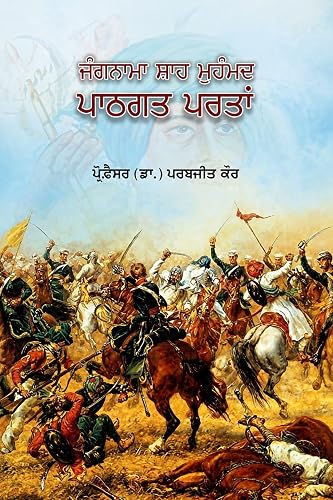
Jangnama (Jang Singhan te Firangian) (ਜੰਗਨਾਮਾ ਸਿੰਘਾਂ ਤੇ ਫ਼ਰੰਗੀਆਂ) by Shah Mohammad
Prescribed
The whole Jangnama is prescribed. Read it in the original; focus on its account of the Anglo-Sikh war, its lament for the Sikh kingdom and its place in the var tradition.
Chandan Vari (ਚੰਦਨ ਵਾੜੀ) by Dhani Ram Chatrik
Prescribed
The whole collection is prescribed. Read the poems in full; focus on Chatrik’s pictures of Punjabi rural life, his romantic strain and his metres.
Sufi Khana (ਸੂਫ਼ੀਖ਼ਾਨਾ) by Dhani Ram Chatrik
Prescribed
The whole collection is prescribed. Read the poems in full and note how they differ in mood and theme from his other two collections.
Nawan Jahan (ਨਵਾਂ ਜਹਾਨ) by Dhani Ram Chatrik
Prescribed
The whole collection is prescribed. Read the poems in full; focus on the social and national themes and the hope for a new world in Chatrik’s later poetry.
Chitta Lahu (ਚਿੱਟਾ ਲਹੂ) by Nanak Singh
Prescribed
The whole novel is prescribed. Read it in the original; focus on its social criticism, its characters and Nanak Singh’s reformist realism.
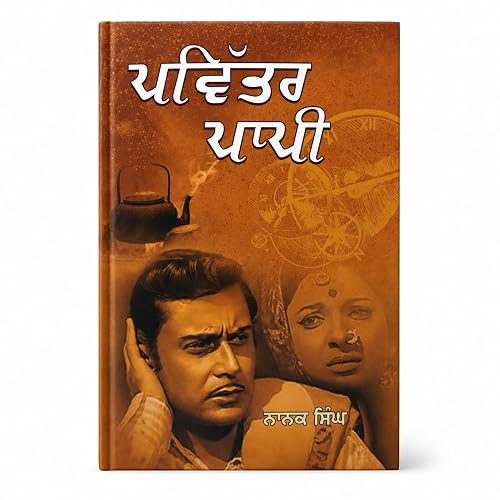
Pavittar Papi (ਪਵਿੱਤਰ ਪਾਪੀ) by Nanak Singh
Prescribed
The whole novel is prescribed. Read it in the original; focus on its moral conflict, its central character and its narrative method.
Ik Mian Do Talwaran (ਇਕ ਮਿਆਨ ਦੋ ਤਲਵਾਰਾਂ) by Nanak Singh
Prescribed
The whole novel is prescribed (the syllabus prints it as Ek Mian Do Talwaran). Read it in the original; focus on its historical setting in the freedom struggle and its characters.
Zindagi di Ras (ਜ਼ਿੰਦਗੀ ਦੀ ਰਾਸ) by Gurbakhsh Singh
Prescribed
The whole collection of essays is prescribed. Read them in full; focus on Gurbakhsh Singh’s ideas of a good life and his clear, persuasive prose.
Nawan Shivala (ਨਵਾਂ ਸ਼ਿਵਾਲਾ) by Gurbakhsh Singh
Prescribed
The whole collection of essays is prescribed. Read them in full; focus on their liberal and humanist outlook.
Merian Abhul Yadan (ਮੇਰੀਆਂ ਅਭੁੱਲ ਯਾਦਾਂ) by Gurbakhsh Singh
Prescribed
The whole work is prescribed. Read it in full; focus on its memoir form and what it shows of the author’s life and values.
Mera Rusi Safarnama (ਮੇਰਾ ਰੂਸੀ ਸਫ਼ਰਨਾਮਾ) by Balraj Sahni
Prescribed
The whole travelogue is prescribed (the syllabus prints it as Mera Roosi Safarnama). Read it in full; focus on his view of Soviet society and the travelogue form.
Mera Pakistani Safarnama (ਮੇਰਾ ਪਾਕਿਸਤਾਨੀ ਸਫ਼ਰਨਾਮਾ) by Balraj Sahni
Prescribed
The whole travelogue is prescribed. Read it in full; focus on his return to the Punjab of his childhood after Partition and the emotions of that journey.
Loha Kutt (ਲੋਹਾ ਕੁੱਟ) by Balwant Gargi
Prescribed
The whole play is prescribed. Read it in the original; focus on its rural setting, its characters and Gargi’s dramatic technique.
Dhuni di Agg (ਧੂਣੀ ਦੀ ਅੱਗ) by Balwant Gargi
Prescribed
The whole play is prescribed (the syllabus prints it as Dhuni-di-Agg). Read it in the original; focus on its theme, characters and stagecraft.
Sultan Razia (ਸੁਲਤਾਨ ਰਜ਼ੀਆ) by Balwant Gargi
Prescribed
The whole play is prescribed. Read it in the original; focus on its historical subject, Razia’s character and Gargi’s use of history.
Sahityarth (ਸਾਹਿਤਿਆਰਥ) by Sant Singh Sekhon
Prescribed
The whole work is prescribed. Read it in full; focus on Sekhon’s theory of literature and his Marxist approach, which also serves the criticism unit of Paper I.
Parsidh Punjabi Kavi (ਪ੍ਰਸਿੱਧ ਪੰਜਾਬੀ ਕਵੀ) by Sant Singh Sekhon
Prescribed
The whole work is prescribed. Read it in full; note Sekhon’s judgements on each poet, since you can use them in Paper I answers too.
Punjabi Kav Shiromani (ਪੰਜਾਬੀ ਕਾਵਿ ਸ਼ਿਰੋਮਣੀ) by Sant Singh Sekhon
Prescribed
The whole work is prescribed. Read it in full and note his evaluation of the major Punjabi poets and his critical method.
How to use this Punjabi Literature Optional booklist
- Read every Paper II text in the original Gurmukhi: the complete Bani of Sheikh Farid, Japu Ji, Barah Maha and Asa di Var, Bulleh Shah’s Kafian and Waris Shah’s Heer first, since medieval poetry carries most of the passage-explanation questions.
- Use a standard steek (commentary) for the Gurbani texts so that you explain each line correctly, and learn the key terms of Gurmat thought (hukam, naam, haumai, nadar) with examples.
- Prepare Punjabi tones as a separate topic: how tone arose from the loss of voiced aspirates, with minimal pairs, and how tones differ across Majhi, Doabi, Malwai, Pothohari and Paudhi.
- Make a one-page note for each writer named in Paper I Section B (poets, dramatists, novelists, story writers, essayists and critics) with two works and their place in a trend; questions often name these writers.
- Link Paper I and Paper II: Farid and Bulleh Shah for Sufi poetry, Waris Shah for the kissa, Shah Mohammad for the var tradition, and Nanak Singh, Gurbakhsh Singh, Balwant Gargi and Sant Singh Sekhon for the modern forms.
- For folk literature, collect a few examples of each form (folk song, folk tale, riddle, proverb) in Punjabi and quote them in answers.
Some books you find useful may not be on this list. Use them if they fall within the syllabus and help you answer previous year questions. If you spot a wrong title, an outdated edition or a broken link, tell us on the Report an Error page.
FAQs
Which are the best books for Punjabi Literature Optional Paper I?
Our core picks, section by section – Punjabi Language, Gurmukhi and Medieval Literature: Punjabi Bhasha: Sarot te Saroop (Boota Singh Brar), Punjabi Viakaran: Sidhant ate Vihar (Boota Singh Brar), Punjabi Sahit di Utpati ate Vikas (Kirpal Singh Kasel, Parminder Singh and Gobind Singh Lamba); Modern Trends, Folk Literature, Forms and Criticism: A History of Punjabi Literature (Sant Singh Sekhon), Punjab da Lok Virsa (Karnail Singh Thind), Punjabi Alochana: Sidhant te Vihar (Harbhajan Singh Bhatia). Each book above is tagged so you know what to read first.
Which texts are prescribed for Punjabi Literature Optional?
The UPSC syllabus prescribes 24 texts for first-hand reading: Bani Sheikh Farid (Sheikh Farid); Japu Ji (Guru Nanak); Barah Maha (Tukhari) (Guru Nanak); Asa di Var (Guru Nanak); Kafian (Bulleh Shah); Heer (Waris Shah); Jangnama (Jang Singhan te Firangian) (Shah Mohammad); Chandan Vari (Dhani Ram Chatrik); Sufi Khana (Dhani Ram Chatrik); Nawan Jahan (Dhani Ram Chatrik); Chitta Lahu (Nanak Singh); Pavittar Papi (Nanak Singh); Ik Mian Do Talwaran (Nanak Singh); Zindagi di Ras (Gurbakhsh Singh); Nawan Shivala (Gurbakhsh Singh); Merian Abhul Yadan (Gurbakhsh Singh); Mera Rusi Safarnama (Balraj Sahni); Mera Pakistani Safarnama (Balraj Sahni); Loha Kutt (Balwant Gargi); Dhuni di Agg (Balwant Gargi); Sultan Razia (Balwant Gargi); Sahityarth (Sant Singh Sekhon); Parsidh Punjabi Kavi (Sant Singh Sekhon); Punjabi Kav Shiromani (Sant Singh Sekhon). We list the exact portions under each text above.
In which language must I write answers in Punjabi Literature Optional?
Both papers must be answered in Punjabi, written in the Gurmukhi script, as the UPSC syllabus states.
Do I need to read every book on this list?
Read every prescribed text in the original, since Paper II tests first-hand reading. For Paper I, read the Core books fully, choose only one book wherever we list an Alternative, and use Reference books only for specific topics.
Last updated: 2 November 2026