
This is our booklist for Bengali Literature Optional, arranged by the UPSC syllabus: Paper I Section A (history of the Bangla language), Paper I Section B (history of Bangla literature) and the seventeen prescribed texts of Paper II. Paper II requires first-hand reading, so we list the original texts and expect you to read each prescribed portion yourself, not only a guide. Answers in both papers must be written in Bengali. We mark each book Prescribed, Core (read fully), Alternative (pick this or the core book), Reference (consult selected chapters) or Beginner (start here).
We list the prescribed texts exactly as the UPSC syllabus names them, with the portion you must read. Paper II tests first-hand reading, so read each text in the original and use guides only alongside it. Where a book is hard to find in print, try the free sources we list, the Sahitya Akademi and university bookshops.
Jump to: Paper I Section A: History of the Bangla Language · Paper I Section B: History of Bangla Literature · Paper II Section A: Prescribed texts (Padavali to Tagore) · Paper II Section B: Prescribed texts (Tagore to Badal Sircar)
Some links on this page are Amazon affiliate links. If you buy through them, we may earn a small commission at no extra cost to you.
Paper I Section A: History of the Bangla Language – Best Books
From Proto Indo-European to Bangla, Old, Middle and New Bangla, dialects, vocabulary, Sadhu and Chalit, processes of language change, standardisation and spelling reform, and phonology, morphology and syntax of modern Bangla.
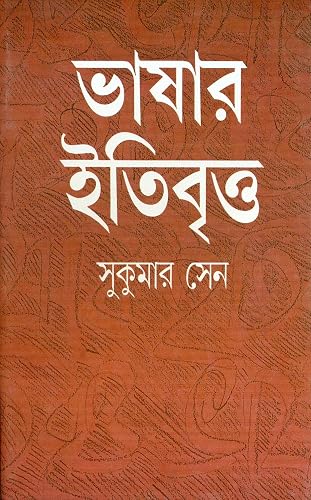
Bhashar Itibritta (ভাষার ইতিবৃত্ত) by Sukumar Sen
Core
This is our anchor for Section A. Read the chapters on the Indo-European family, the Old, Middle and New Bangla stages, dialects and sound change in full; it covers most of the eight units in one book.
Sadharan Bhashabijnan o Bangla Bhasha (সাধারণ ভাষাবিজ্ঞান ও বাংলা ভাষা) by Rameswar Shaw
Core
Read it for the phonology, morphology and syntax of modern Bangla and for the processes of language change with examples. Its clear definitions of terms such as abhishruti and svarasangati suit short answers.
Bangla Bhasha Parikrama (বাংলা ভাষা পরিক্রমা) by Paresh Chandra Majumdar
Alternative
Pick this or Sukumar Sen for the history of the language. Its two volumes treat the stages of Bangla, dialects and vocabulary in detail; if you already use Sen, read only selected chapters.
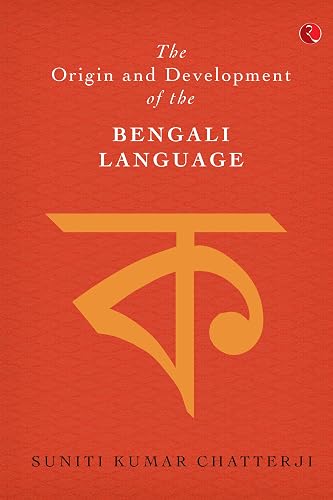
The Origin and Development of the Bengali Language by Suniti Kumar Chatterji
Reference
This is the classic scholarly work behind every later textbook. Consult its introduction and the chapters on the Indo-Aryan background and the dialects for authoritative points; it is too long to read in full.
Bhasha-Prakash Bangala Byakaran (ভাষা-প্রকাশ বাঙ্গালা ব্যাকরণ) by Suniti Kumar Chatterji
Reference
Use it for unit 8: sounds, conjuncts, word formation, compounds and sentence patterns of modern Bangla. Consult the relevant chapters rather than reading it as a whole.
Bangala Bhashar Itibritta (বাঙ্গালা ভাষার ইতিবৃত্ত) by Muhammad Shahidullah
Reference
Read it for another view on the origin and dating of Bangla and on Old Bangla. It helps when a question asks you to compare scholarly positions.
Akademi Banan Abhidhan (আকাদেমি বানান অভিধান) by Paschimbanga Bangla Akademi
Reference
Use it for unit 7 on standardisation and spelling reform, and to keep your own spelling consistent in the exam. Read its introduction on the spelling rules.

Preparing for Prelims too?
Our UPSC Prelims Topic-wise PYQ Book covers every Prelims question with detailed explanations, so you can see exactly where UPSC asks from. Now available as a hard copy and an eBook.
Buy Hard Copy on AmazonBuy eBook (PDF)Paper I Section B: History of Bangla Literature – Best Books
Periodisation of Old and Middle Bangla, modern versus pre-modern, roots of modernity, Middle Bangla forms, secular forms, nineteenth-century poetry, prose, drama, Tagore and post-Tagoreans, major novelists, and women and Bangla literature.
Bangla Sahityer Sampurna Itibritta (বাংলা সাহিত্যের সম্পূর্ণ ইতিবৃত্ত) by Asit Kumar Bandyopadhyay
Beginner
Start here. This single volume covers the whole history from the Charyapada to the modern period in the order the syllabus follows, and is enough for a first round of notes.
Bangala Sahityer Itihas (বাঙ্গালা সাহিত্যের ইতিহাস) by Sukumar Sen
Core
This is our main reference for Section B. Read the volumes on Old and Middle Bangla for Mangal Kavya, Vaishnava lyrics, translations and biographies, and the later volumes for nineteenth-century poetry, prose and drama.
Bangla Sahityer Itikatha (বাংলা সাহিত্যের ইতিকথা) by Bhudeb Chaudhuri
Alternative
Pick this or Sukumar Sen. Its analytical style helps with questions on the roots of modernity and the differences between pre-modern and modern literature.
Bangla Sahityer Samagra Itihas (বাংলা সাহিত্যের সমগ্র ইতিহাস) by Kshetra Gupta
Alternative
A compact one-volume history that many aspirants use for revision. Pick this or Asit Kumar Bandyopadhyay’s single volume, not both.
Bangla Mangalkavyer Itihas (বাংলা মঙ্গলকাব্যের ইতিহাস) by Ashutosh Bhattacharya
Reference
Read the chapters on Chandimangal, Manasamangal and Dharmamangal for the evolution of the Mangal Kavya form. It also supports the Kalketu episode in Paper II.
Banga Sahitye Upanyaser Dhara (বঙ্গসাহিত্যে উপন্যাসের ধারা) by Srikumar Bandyopadhyay
Reference
Use it for unit 10 on fiction: the chapters on Bankimchandra, Tagore, Saratchandra, Bibhutibhusan, Tarasankar and Manik give critical views you can cite.
Bangla Natoker Itihas (বাংলা নাটকের ইতিহাস) by Ajit Kumar Ghosh
Reference
Read it for unit 8 on dramatic literature: the nineteenth-century stage, Tagore’s plays and the later drama. Add notes on post-1944 group theatre from your other histories.
Paper II Section A: Prescribed texts (Padavali to Tagore)
Vaishnava Padavali, Chandimangal (Kalketu episode), Chaitanya Charitamrita (Madhya Lila), Meghnadbadh Kavya, Kapalkundala, Samya and Bangadesher Krishak, Sonar Tari and Chhinnapatravali.
Vaishnava Padavali (বৈষ্ণব পদাবলী) by Calcutta University (prescribed selection)
Prescribed
Prescribed: the poems of Vidyapati, Chandidas, Jnanadas, Govindadas and Balaramdas in the Calcutta University selection. Read each pada in the original and learn its stage of love (purvaraga, abhisara, mathur and others), the poet’s style and the Brajabuli diction of Vidyapati and Govindadas.
Chandimangal (চণ্ডীমঙ্গল) by Mukunda Chakrabarti (Sahitya Akademi edition)
Prescribed
Prescribed: the Kalketu episode. Read the text itself for its realistic picture of forest and village life, the characters of Kalketu, Phullara and Bhanru Datta, and Mukunda’s humour and narrative skill.
Chaitanya Charitamrita (চৈতন্যচরিতামৃত) by Krishnadas Kaviraj (Sahitya Akademi edition)
Prescribed
Prescribed: Madhya Lila. Read it for the account of Chaitanya’s travels and devotional life, and for how Krishnadas blends biography with Gaudiya Vaishnava theology.
Meghnadbadh Kavya (মেঘনাদবধ কাব্য) by Michael Madhusudan Dutt
Prescribed
Prescribed: the full epic in nine cantos. Read the text closely for its blank verse (amitrakshar chhanda), the new view of Ravana and Meghnad, and the epic and tragic elements critics debate.
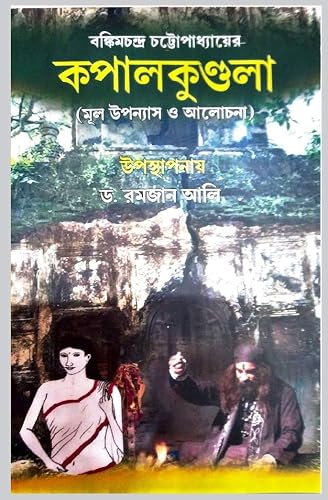
Kapalkundala (কপালকুণ্ডলা) by Bankimchandra Chattopadhyay
Prescribed
Prescribed: the whole novel. Focus on its romantic and tragic structure, the characters of Kapalkundala, Nabakumar and Lutfunnisa, and nature and fate as themes.
Samya and Bangadesher Krishak (সাম্য ও বঙ্গদেশের কৃষক) by Bankimchandra Chattopadhyay
Prescribed
Prescribed: both essays. Read them for Bankim’s ideas on equality and his account of the Bengal peasant under the zamindari system, and be ready to assess his social thought and prose style.
Sonar Tari (সোনার তরী) by Rabindranath Tagore
Prescribed
Prescribed: the poetry collection. Read the title poem and major poems such as Jete Nahi Dibo, Basundhara and Niruddesh Jatra closely, along with the critical debate on the meaning of the golden boat.
Chhinnapatravali (ছিন্নপত্রাবলী) by Rabindranath Tagore
Prescribed
Prescribed: the letters, most of them written to Indira Devi while Tagore managed the family estates at Shilaidaha. Read them for his response to nature and rural Bengal, and link them with Sonar Tari of the same years.
Bengali Wikisource by Wikimedia community
Website
Free texts of many older Bangla works, including writings of Bankimchandra and Tagore. Use it to read or check a prescribed passage, but cross-check spellings with a printed edition.

Strengthen your GS papers
Our UPSC Mains Topic-wise & Year-wise PYQ Book (2013–2026) maps every GS question to the syllabus, so you know what UPSC asks and how often. Now available as a hard copy and an eBook.
Buy Hard Copy on AmazonBuy eBook (PDF)Paper II Section B: Prescribed texts (Tagore to Badal Sircar)
Raktakarabi, Nabajatak, Grihadaha, Prabandha Sangraha Vol. 1, Aranyak, eight stories of Manik Bandyopadhyay, Shreshtha Kavita, Jagori and Ebong Indrajit.
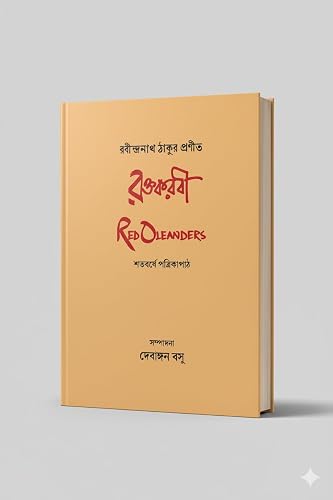
Raktakarabi (রক্তকরবী) by Rabindranath Tagore
Prescribed
Prescribed: the symbolic play. Read it for the conflict between the greed of Yakshapuri and Nandini’s life force, the symbols of the red oleander and the net, and Tagore’s critique of a mechanical civilisation.
Nabajatak (নবজাতক) by Rabindranath Tagore
Prescribed
Prescribed: the late poetry collection (1940). Read it for the themes of Tagore’s last phase, such as war and the machine age, and for his plainer, more direct late style.
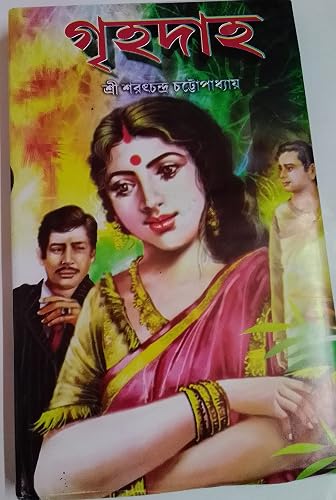
Grihadaha (গৃহদাহ) by Saratchandra Chattopadhyay
Prescribed
Prescribed: the novel. Focus on the triangle of Achala, Mahim and Suresh, the question of a woman’s choice, and Saratchandra’s realism.
Prabandha Sangraha, Vol. 1 (প্রবন্ধসংগ্রহ) by Pramatha Chaudhuri
Prescribed
Prescribed: the first volume of his collected essays. Read them for his witty Chalit prose and the Sabuj Patra case for spoken Bangla in literature.
Aranyak (আরণ্যক) by Bibhutibhushan Bandyopadhyay
Prescribed
Prescribed: the novel. Read it for its forest landscape, the narrator Satyacharan’s inner change and the conflict between nature and human settlement.
Short Stories (eight prescribed) (মানিক বন্দ্যোপাধ্যায়ের ছোটগল্প) by Manik Bandyopadhyay
Prescribed
Prescribed: Atashi Mami, Pragaitihasik, Holud-Pora, Sarisrip, Haraner Natjamai, Chhoto-Bokulpurer Jatri, Kushtharogir Bou and Jake Ghush Dite Hoy. Read all eight in any complete collection of his stories, and trace the shift from the psychological early stories to the Marxist later ones.
Shreshtha Kavita (শ্রেষ্ঠ কবিতা) by Jibanananda Das
Prescribed
Prescribed: the selection of his best poems. Read poems such as Banalata Sen closely for their imagery, sense of time and history, and the modernist turn they mark after Tagore.
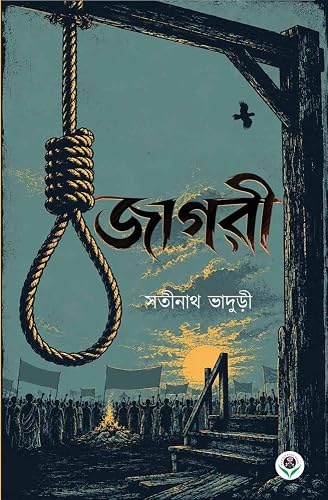
Jagori (জাগরী) by Satinath Bhaduri
Prescribed
Prescribed: the novel set in a jail during the 1942 movement. Read it for its structure of interior monologues by members of one family and its study of political idealism.
Ebong Indrajit (এবং ইন্দ্রজিৎ) by Badal Sircar
Prescribed
Prescribed: the play. Read it for its experimental, absurdist form, the writer’s search for a subject, and the frustration of the urban middle class that marks post-1944 Bangla drama.
Rabindra Rachanabali (online) by Society for Natural Language Technology Research
Website
A free online edition of Tagore’s collected works. Use it for Sonar Tari, Chhinnapatravali, Raktakarabi and Nabajatak, and to find a line you want to quote.
How to use this Bengali Literature Optional booklist
- Read the prescribed texts in the original before any guide: Meghnadbadh Kavya, Sonar Tari and the Padavali poets are tested through close reading, and a line or two quoted in Bengali lifts an answer.
- Learn the sound-change terms of Section A (apinihiti, abhishruti, svarabhakti, svarasangati, y-shruti and w-shruti) with two or three exact Bangla examples each; these questions are short and scoring.
- Link Paper I Section B with Paper II: the Mangal Kavya, Vaishnava lyrics and Chaitanya biographies of the literary history are the works you read as prescribed texts, so one set of notes serves both papers.
- Keep a separate notebook on Tagore, since he appears in Paper I (drama, post-Tagoreans, fiction) and in four Paper II texts: Sonar Tari, Chhinnapatravali, Raktakarabi and Nabajatak.
- For the topic on women and Bangla literature, collect examples of women writers and of women characters (Kapalkundala, Achala in Grihadaha, Nandini in Raktakarabi) as you read.
- Write timed answers in standard modern Bangla and follow one spelling system, such as the Paschimbanga Bangla Akademi rules, throughout the paper.
Some books you find useful may not be on this list. Use them if they fall within the syllabus and help you answer previous year questions. If you spot a wrong title, an outdated edition or a broken link, tell us on the Report an Error page.
FAQs
Which are the best books for Bengali Literature Optional Paper I?
Our core picks, section by section – History of the Bangla Language: Bhashar Itibritta (Sukumar Sen), Sadharan Bhashabijnan o Bangla Bhasha (Rameswar Shaw); History of Bangla Literature: Bangala Sahityer Itihas (Sukumar Sen). Each book above is tagged so you know what to read first.
Which texts are prescribed for Bengali Literature Optional?
The UPSC syllabus prescribes 17 texts for first-hand reading: Vaishnava Padavali (Calcutta University (prescribed selection)); Chandimangal (Mukunda Chakrabarti (Sahitya Akademi edition)); Chaitanya Charitamrita (Krishnadas Kaviraj (Sahitya Akademi edition)); Meghnadbadh Kavya (Michael Madhusudan Dutt); Kapalkundala (Bankimchandra Chattopadhyay); Samya and Bangadesher Krishak (Bankimchandra Chattopadhyay); Sonar Tari (Rabindranath Tagore); Chhinnapatravali (Rabindranath Tagore); Raktakarabi (Rabindranath Tagore); Nabajatak (Rabindranath Tagore); Grihadaha (Saratchandra Chattopadhyay); Prabandha Sangraha, Vol. 1 (Pramatha Chaudhuri); Aranyak (Bibhutibhushan Bandyopadhyay); Short Stories (eight prescribed) (Manik Bandyopadhyay); Shreshtha Kavita (Jibanananda Das); Jagori (Satinath Bhaduri); Ebong Indrajit (Badal Sircar). We list the exact portions under each text above.
In which language must I write answers in Bengali Literature Optional?
Both papers must be answered in Bengali, as the UPSC syllabus states for Bengali Literature.
Do I need to read every book on this list?
Read every prescribed text in the original, since Paper II tests first-hand reading. For Paper I, read the Core books fully, choose only one book wherever we list an Alternative, and use Reference books only for specific topics. If you are new to the subject, begin with Bangla Sahityer Sampurna Itibritta (Asit Kumar Bandyopadhyay).
Last updated: 2 November 2026