
This is our booklist for Hindi Literature Optional, arranged by the UPSC syllabus: Paper I Section A (History of Hindi Language and Nagari Lipi), Paper I Section B (History of Hindi Literature, fiction, drama, criticism and other prose forms) and the prescribed poetry and prose texts of Paper II. Paper II requires first-hand reading of the prescribed texts and tests your critical ability, so the original texts come before any guide. Both papers must be answered in Hindi. For every book we mark a priority: Prescribed, Core, Alternative, Reference, Beginner or Website.
We list the prescribed texts exactly as the UPSC syllabus names them, with the portion you must read. Paper II tests first-hand reading, so read each text in the original and use guides only alongside it. Where a book is hard to find in print, try the free sources we list, the Sahitya Akademi and university bookshops.
Jump to: Paper I Section A: History of Hindi Language and Nagari Lipi · Paper I Section B: History of Hindi Literature · Paper II Section A: Prescribed texts (Poetry) · Paper II Section B: Prescribed texts (Prose)
Some links on this page are Amazon affiliate links. If you buy through them, we may earn a small commission at no extra cost to you.
Paper I Section A: History of Hindi Language and Nagari Lipi – Best Books
Apabhramsha, Avahatta and early Hindi; Braj and Awadhi; early Khari Boli and Dakhni; Khari Boli and Nagari in the 19th century; standardisation; Hindi as national and official language; scientific and technical Hindi; dialects; Nagari Lipi reform; grammatical structure of standard Hindi.
Hindi Bhasha ka Itihas (हिंदी भाषा का इतिहास) by Dhirendra Verma
Core
Our anchor for the history of the language. Read the chapters on the development from Apabhramsha, the dialects of Hindi and their features, and the phonology and morphology of Hindi. It is dense, so make your own tables of sound and form changes as you read.
Hindi Bhasha (हिंदी भाषा) by Bholanath Tiwari
Core
The most exam-friendly single book for Section A. It covers the origin and development of Hindi, the dialects, Khari Boli, Hindi as national and official language and the Nagari script in a clear order that matches the syllabus units.
Hindi Bhasha ka Udgam aur Vikas (हिंदी भाषा का उद्गम और विकास) by Uday Narayan Tiwari
Alternative
Pick this or Dhirendra Verma for the historical part. It is especially detailed on Apabhramsha, Avahatta and the early forms of Hindi; consult those chapters if Verma feels too brief.
Hindi: Udbhav, Vikas aur Roop (हिंदी : उद्भव, विकास और रूप) by Hardev Bahri
Beginner
Start here if you have not studied linguistics. It explains the stages of Hindi, its dialects and the basics of its grammar in simple language, and gives you the vocabulary for the heavier books.
Hindi Bhasha ka Vikas (हिंदी भाषा का विकास) by Gopal Rai
Reference
Use selected chapters for the modern units: Khari Boli and Nagari in the 19th century, Hindi in the freedom movement and Hindi as the official language of the Union.
Hindi Vyakaran (हिंदी व्याकरण) by Kamta Prasad Guru
Reference
The classic grammar of standard Hindi. Consult it for the unit on the grammatical structure of standard Hindi: parts of speech, gender, number, case and verb forms, with examples you can reuse in answers.

Preparing for Prelims too?
Our UPSC Prelims Topic-wise PYQ Book covers every Prelims question with detailed explanations, so you can see exactly where UPSC asks from. Now available as a hard copy and an eBook.
Buy Hard Copy on AmazonBuy eBook (PDF)Paper I Section B: History of Hindi Literature – Best Books
Tradition of literary historiography; Adikal, Bhaktikal, Ritikal and Adhunik Kal; trends of modern poetry; novel and short story; drama and theatre; Hindi criticism and its prominent critics; Lalit Nibandh, Rekhachitra, Sansmaran and Yatra-vrittant.
Hindi Sahitya ka Itihas (हिंदी साहित्य का इतिहास) by Ramchandra Shukla
Core
This is our anchor for Section B. Read the Adikal, Bhaktikal and Ritikal parts in full and the Adhunik Kal chapters on prose and poetry. Learn his periodisation and his judgements on the poets, since questions often ask you to evaluate them.
Hindi Sahitya aur Samvedana ka Vikas (हिंदी साहित्य और संवेदना का विकास) by Ramswaroop Chaturvedi
Beginner
Read this first for a readable overview of the whole history, from Adikal to contemporary writing. It is also useful for the modern trends of poetry and for revision before the exam.
Hindi Sahitya ka Itihas (हिंदी साहित्य का इतिहास) by Nagendra (ed.)
Alternative
Pick this or Shukla as your main factual source. It is more up to date on modern and post-independence literature and gives dates and works in a compact form.
Hindi Sahitya ki Bhumika (हिंदी साहित्य की भूमिका) by Hazari Prasad Dwivedi
Reference
Read the chapters on the Siddha, Nath and Sant traditions and on Bhakti. Dwivedi’s view of Bhakti as a continuation of Indian tradition is the standard counterpoint to Shukla.
Hindi Sahitya ka Doosra Itihas (हिंदी साहित्य का दूसरा इतिहास) by Bachchan Singh
Reference
Consult it for a critical, later view of the periods and for modern trends such as Nai Kavita and Janvadi Kavita. Use it to add a second opinion to your answers.
Hindi Upanyas ka Itihas (हिंदी उपन्यास का इतिहास) by Gopal Rai
Reference
For the Katha Sahitya unit: read the chapters on the origin of the Hindi novel, realism, and the prominent novelists in the syllabus (Premchand, Jainendra, Yashpal, Renu, Bhisham Sahni).
Hindi Kahani ka Itihas (हिंदी कहानी का इतिहास) by Gopal Rai
Reference
Published in volumes; Volumes 1 and 2 cover the origin of the Hindi short story and writers such as Premchand, Prasad, Agyeya, Mohan Rakesh and Krishna Sobti. Read only the chapters on these writers and on the Nai Kahani movement.
Hindi Natak: Udbhav aur Vikas (हिंदी नाटक : उद्भव और विकास) by Dashrath Ojha
Core
The standard book for the Drama and Theatre unit. Read the chapters on Bharatendu, Prasad and the post-Prasad dramatists, and use them for questions on Jagdish Chandra Mathur, Ramkumar Verma and Mohan Rakesh.
Rang Darshan (रंगदर्शन) by Nemichandra Jain
Reference
Consult it for the development of Hindi theatre, the part of the drama unit that history books cover thinly.
Hindi Alochana (हिंदी आलोचना) by Vishwanath Tripathi
Core
Our main book for the Criticism unit. It traces Hindi criticism from its origins through Shukla, Dwivedi, the progressive and psychoanalytic schools to Nai Alochana, and gives clear accounts of the critics named in the syllabus.
Hindi Gadya: Vinyas aur Vikas (हिंदी गद्य : विन्यास और विकास) by Ramswaroop Chaturvedi
Reference
Use it for unit 6 on the other prose forms: Lalit Nibandh, Rekhachitra, Sansmaran and Yatra-vrittant, with the main writers of each.
Paper II Section A: Prescribed texts (Poetry)
Kabir, Surdas, Tulsidas, Jayasi, Bihari, Maithili Sharan Gupt, Prasad, Nirala, Dinkar, Agyeya, Muktibodh and Nagarjun.
Kabir Granthawali (कबीर ग्रंथावली) by Kabir; ed. Shyam Sundar Das
Prescribed
The first hundred Sakhis are prescribed. Read them in this edition and learn to explain each with its context; focus on Kabir’s nirgun bhakti, his social criticism, guru mahima and his sadhukkadi language.
Bhramar Geet Sar (भ्रमरगीत सार) by Surdas; ed. Ramchandra Shukla
Prescribed
The first hundred Padas are prescribed. Read them with Shukla’s introduction; focus on viraha, the contest between sagun and nirgun through the gopis and Uddhav, and the vagvidagdhata of Sur’s Braj.
Ramcharit Manas (Sundar Kand) (रामचरितमानस (सुंदरकांड)) by Tulsidas
Prescribed
Sundar Kand is prescribed. Read the original in any standard edition; focus on Hanuman’s character, Tulsi’s bhakti and lokmangal, and the doha-chaupai form in Awadhi.
Kavitawali (Uttar Kand) (कवितावली (उत्तरकांड)) by Tulsidas
Prescribed
Uttar Kand of Kavitawali is prescribed. Read the original; focus on the picture of the Kali Yuga and social distress, Tulsi’s personal devotion and the kavitta-savaiya form in Braj.
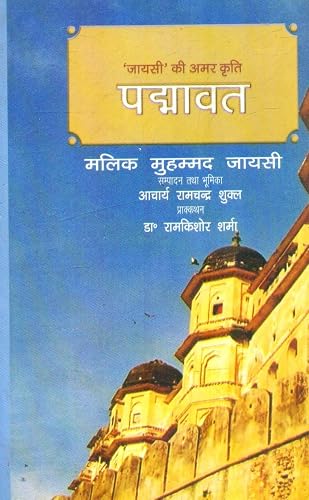
Padmawat (पद्मावत) by Jayasi; ed. Shyam Sundar Das
Prescribed
Sinhal Dwip Khand and Nagmati Viyog Khand are prescribed. Read both Khands in the original; focus on Sufi premakhyan, the allegory, the barahmasa of Nagmati’s viraha and Jayasi’s Awadhi.
Bihari Ratnakar (बिहारी रत्नाकर) by Bihari; ed. Jagannathdas Ratnakar
Prescribed
The first 100 Dohas are prescribed. Read them with Ratnakar’s commentary; focus on shringar, the compression of meaning in the doha, alankar and Bihari’s place in Ritibaddh poetry.
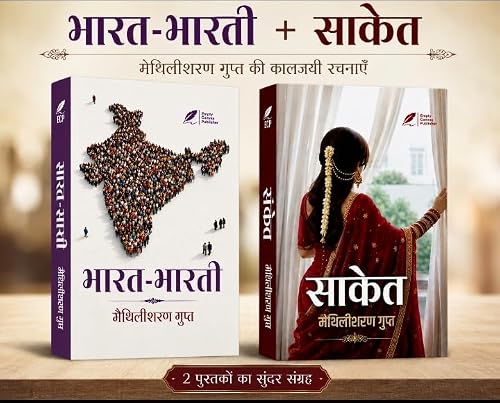
Bharat Bharati (भारत-भारती) by Maithili Sharan Gupt
Prescribed
The whole work is prescribed. Read it in the original; focus on its national awakening, its picture of India’s past, present and future, and its place in the Dwivedi-era Khari Boli poetry.
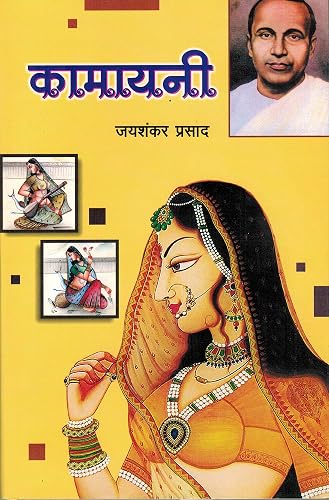
Kamayani (कामायनी) by Jaishankar Prasad
Prescribed
Chinta and Shraddha Sargas are prescribed. Read both cantos in the original; focus on the allegory of Manu and Shraddha, Chhayavadi imagery and language, and the critical debates on the epic.
Rag-Virag (राग-विराग) by Nirala; ed. Ram Vilas Sharma
Prescribed
Ram Ki Shakti Puja and Kukurmutta are prescribed from this selection. Read both poems in full; contrast the epic grandeur and Sanskritised diction of the first with the satire and colloquial idiom of the second.
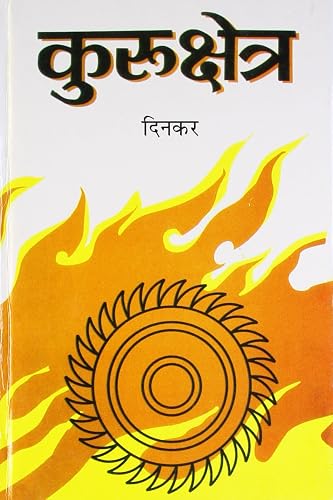
Kurukshetra (कुरुक्षेत्र) by Ramdhari Singh Dinkar
Prescribed
The whole work is prescribed. Read it in the original; focus on the debate on war and peace between Yudhishthir and Bhishma, its post-war context and Dinkar’s ojas.
Angan Ke Par Dwar (आँगन के पार द्वार) by Agyeya
Prescribed
Asadhya Veena from this collection is prescribed. Read the poem in full; focus on the theme of surrender of the self, the story of Priyamvad and the veena, and Agyeya’s Prayogvadi craft.
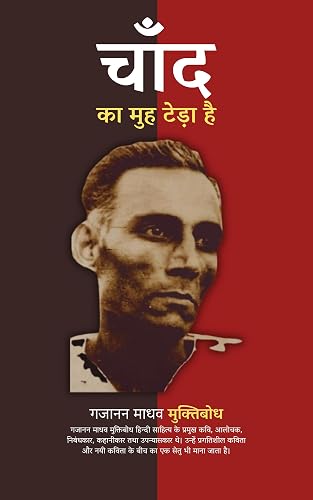
Brahmarakshas (ब्रह्मराक्षस) by Gajanan Madhav Muktibodh
Prescribed
The poem Brahmarakshas is prescribed (the syllabus misprints the poet as Muktiboth). It is included in his collection Chand Ka Munh Tedha Hai. Read it in full; focus on the intellectual’s isolation, the fantasy form and its symbols.
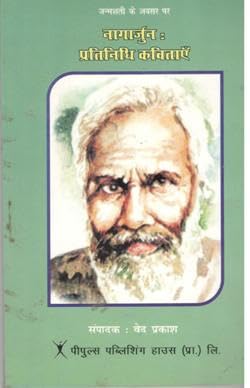
Badal Ko Ghirte Dekha Hai, Akal Aur Uske Baad, Harijan Gatha (बादल को घिरते देखा है, अकाल और उसके बाद, हरिजन गाथा) by Nagarjun
Prescribed
These three poems are prescribed (the syllabus prints the second as Akal Ke Bad). Read them in a collection of Nagarjun’s poems; focus on nature and folk life, the realism of famine and caste violence, and his Janvadi voice.
Kabir (कबीर) by Hazari Prasad Dwivedi
Reference
The classic critical study of Kabir. Read the chapters on his thought and his language to frame critical questions on the Sakhis.
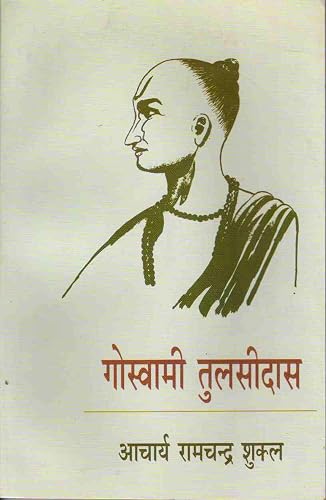
Goswami Tulsidas (गोस्वामी तुलसीदास) by Ramchandra Shukla
Reference
Shukla’s study of Tulsi’s bhakti, lokmangal and art. Use it for critical evaluation of the Sundar Kand and Kavitawali passages.
Kamayani: Ek Punarvichar (कामायनी : एक पुनर्विचार) by Muktibodh
Reference
Muktibodh’s Marxist reading of Kamayani. Read it for a strong second view when a question asks you to evaluate Prasad’s epic.
Nirala ki Sahitya Sadhana (निराला की साहित्य साधना) by Ram Vilas Sharma
Reference
Consult the chapters on Ram Ki Shakti Puja and Kukurmutta in this multi-volume study; Sharma’s views are often quoted in answers on Nirala.
Kavita Kosh by Kavita Kosh
Website
A free online library of Hindi poetry. Use it to read and revise many of the prescribed poems, but check quoted lines against the prescribed edition.

Strengthen your GS papers
Our UPSC Mains Topic-wise & Year-wise PYQ Book (2013–2026) maps every GS question to the syllabus, so you know what UPSC asks and how often. Now available as a hard copy and an eBook.
Buy Hard Copy on AmazonBuy eBook (PDF)Paper II Section B: Prescribed texts (Prose)
Bharatendu, Mohan Rakesh, Ramchandra Shukla, Nibandh Nilaya, Premchand, Prasad, Yashpal, Renu, Mannu Bhandari and Rajendra Yadav.
Bharat Durdasha (भारत दुर्दशा) by Bharatendu Harishchandra
Prescribed
The whole play is prescribed. Read it in the original; focus on its allegorical characters, its critique of colonial rule and social decline, and its place in the Bharatendu-era renaissance.
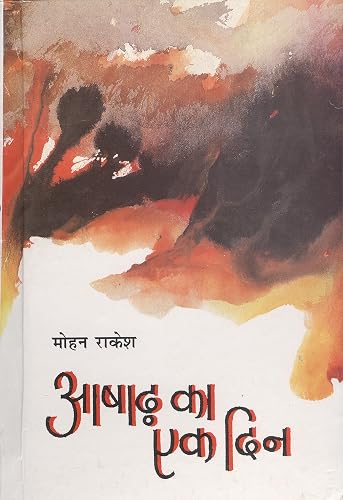
Ashadh Ka Ek Din (आषाढ़ का एक दिन) by Mohan Rakesh
Prescribed
The whole play is prescribed. Read it in the original, ideally more than once; focus on Kalidas and Mallika, the conflict between art and power, the stagecraft and the language of the dialogue.
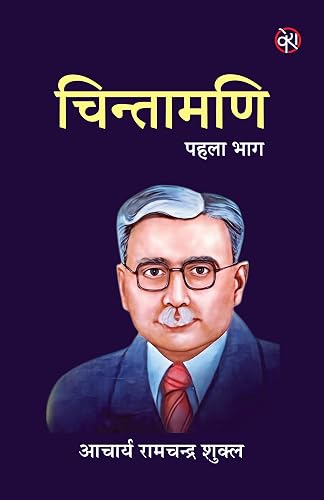
Chintamani (Part I) (चिंतामणि (भाग 1)) by Ramchandra Shukla
Prescribed
The essays Kavita Kya Hai and Shraddha aur Bhakti are prescribed. Read both in full; focus on Shukla’s theory of poetry and rasa, his analysis of emotions and his essay style.
Nibandh Nilaya (निबंध निलय) by Dr. Satyendra (ed.)
Prescribed
The essays of Bal Krishna Bhatt, Premchand, Gulab Rai, Hazari Prasad Dwivedi, Ram Vilas Sharma, Agyeya and Kuber Nath Rai in this anthology are prescribed. Read each essay; note its theme and the style of each essayist, including the lalit nibandh of Dwivedi and Kuber Nath Rai.
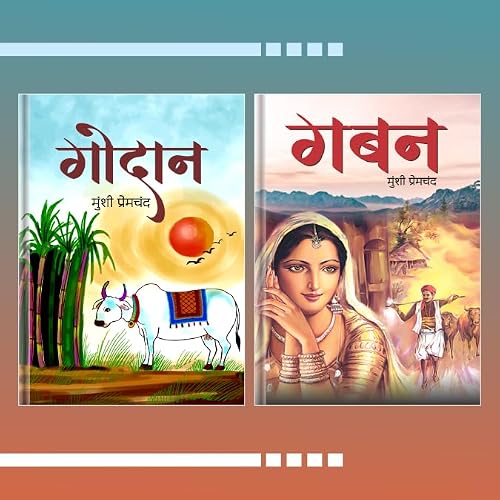
Godan (गोदान) by Premchand
Prescribed
The whole novel is prescribed. Read it in the original; focus on Hori and Dhaniya, the peasant’s tragedy, the village-city structure and the debate on Premchand’s realism.
Premchand ki Sarvashreshtha Kahaniyan (प्रेमचंद की सर्वश्रेष्ठ कहानियाँ) by Premchand; ed. Amrit Rai
Prescribed
This selection edited by Amrit Rai (also published as Manjusha) is prescribed. Read all the stories; note the theme, characters and ending of each so you can compare stories in critical questions.
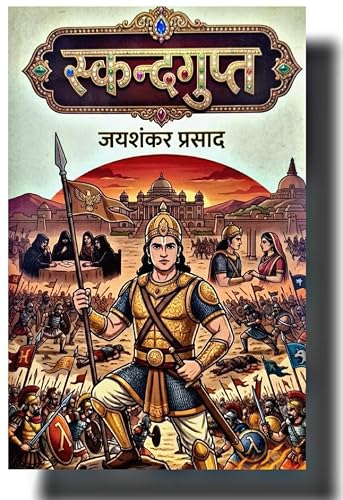
Skandgupta (स्कंदगुप्त) by Jaishankar Prasad
Prescribed
The whole play is prescribed. Read it in the original; focus on its historical setting, national feeling, Devsena’s character and the debate on its stageability.
Divya (दिव्या) by Yashpal
Prescribed
The whole novel is prescribed. Read it in the original; focus on Divya’s search for a woman’s freedom, the Buddhist-era setting and Yashpal’s Marxist outlook.
Maila Anchal (मैला आँचल) by Phanishwar Nath Renu
Prescribed
The whole novel is prescribed. Read it in the original; focus on the aanchalik (regional) form, the village of Maryganj as hero, the folk songs and dialect, and Dr. Prashant.
Mahabhoj (महाभोज) by Mannu Bhandari
Prescribed
The whole novel is prescribed. Read it in the original; focus on the political satire, the death of Bisu as the centre of power games, and the characters of Da Saheb and Bindeshwari.
Ek Duniya Samanantar (एक दुनिया समानांतर) by Rajendra Yadav (ed.)
Prescribed
All the stories in this anthology are prescribed. Read every story and make a one-page note on each; Rajendra Yadav’s introduction on the Nai Kahani also helps with the short story unit of Paper I.
Upanyas Ki Pahchan: Maila Aanchal (उपन्यास की पहचान : मैला आँचल) by Gopal Rai
Reference
A short critical companion to Maila Anchal. Read it after the novel for its structure, regional form and critical reception.
Upanyas Ki Pahchan: Divya (उपन्यास की पहचान : दिव्या) by Gopal Rai
Reference
A short critical companion to Divya. Use it to revise the themes and characters after you have read the novel.
Upanyas Ki Pahchan: Mahabhoj (उपन्यास की पहचान : महाभोज) by Gopal Rai
Reference
A short critical companion to Mahabhoj. Read it after the novel for critical points on its political themes and craft.
Gadya Kosh by Gadya Kosh
Website
A free online library of Hindi prose, the sister site of Kavita Kosh. Use it to read essays and stories, and check against the prescribed edition before quoting.
Hindi Samay by Mahatma Gandhi Antarrashtriya Hindi Vishwavidyalaya
Website
A free online library of Hindi literature with novels, stories, plays and essays by many of the prescribed authors.
How to use this Hindi Literature Optional booklist
- Read every Paper II text in the original, in the prescribed portion only: the first hundred Sakhis, the first hundred Padas of Bhramar Geet Sar, Sundar Kand, the two Khands of Padmawat, the first 100 Dohas of Bihari Ratnakar, and so on. Mark the lines you would quote.
- Practise the sandarbh-sahit vyakhya (explanation with reference to context) every week: context, meaning, critical comment and the poetic features (rasa, alankar, chhand, bhasha) of the passage.
- Keep one main history, Ramchandra Shukla, and use Ramswaroop Chaturvedi or Nagendra only to fill gaps; for each period note the trends, the prominent poets named in the syllabus and two critical views.
- For Section A, prepare short notes with examples on Apabhramsha and Avahatta forms, Braj and Awadhi, early Khari Boli in Khusro and the Sants, and the standardisation of Nagari; examiners reward precise linguistic examples.
- Link Paper I and Paper II: questions on Chhayavad, Pragativad or Nai Kavita read better with lines from Kamayani, Ram Ki Shakti Puja, Asadhya Veena or Brahmarakshas.
- Quote the critics by name in criticism answers: Shukla on lokmangal, Hazari Prasad Dwivedi on Kabir, Ram Vilas Sharma on Nirala, Muktibodh on Kamayani.
Some books you find useful may not be on this list. Use them if they fall within the syllabus and help you answer previous year questions. If you spot a wrong title, an outdated edition or a broken link, tell us on the Report an Error page.
FAQs
Which are the best books for Hindi Literature Optional Paper I?
Our core picks, section by section – History of Hindi Language and Nagari Lipi: Hindi Bhasha ka Itihas (Dhirendra Verma), Hindi Bhasha (Bholanath Tiwari); History of Hindi Literature: Hindi Sahitya ka Itihas (Ramchandra Shukla), Hindi Natak: Udbhav aur Vikas (Dashrath Ojha), Hindi Alochana (Vishwanath Tripathi). Each book above is tagged so you know what to read first.
Which texts are prescribed for Hindi Literature Optional?
The UPSC syllabus prescribes 24 texts for first-hand reading: Kabir Granthawali (Kabir; ed. Shyam Sundar Das); Bhramar Geet Sar (Surdas; ed. Ramchandra Shukla); Ramcharit Manas (Sundar Kand) (Tulsidas); Kavitawali (Uttar Kand) (Tulsidas); Padmawat (Jayasi; ed. Shyam Sundar Das); Bihari Ratnakar (Bihari; ed. Jagannathdas Ratnakar); Bharat Bharati (Maithili Sharan Gupt); Kamayani (Jaishankar Prasad); Rag-Virag (Nirala; ed. Ram Vilas Sharma); Kurukshetra (Ramdhari Singh Dinkar); Angan Ke Par Dwar (Agyeya); Brahmarakshas (Gajanan Madhav Muktibodh); Badal Ko Ghirte Dekha Hai, Akal Aur Uske Baad, Harijan Gatha (Nagarjun); Bharat Durdasha (Bharatendu Harishchandra); Ashadh Ka Ek Din (Mohan Rakesh); Chintamani (Part I) (Ramchandra Shukla); Nibandh Nilaya (Dr. Satyendra (ed.)); Godan (Premchand); Premchand ki Sarvashreshtha Kahaniyan (Premchand; ed. Amrit Rai); Skandgupta (Jaishankar Prasad); Divya (Yashpal); Maila Anchal (Phanishwar Nath Renu); Mahabhoj (Mannu Bhandari); Ek Duniya Samanantar (Rajendra Yadav (ed.)). We list the exact portions under each text above.
In which language must I write answers in Hindi Literature Optional?
Both papers must be answered in Hindi, as the UPSC syllabus states for Hindi Literature.
Do I need to read every book on this list?
Read every prescribed text in the original, since Paper II tests first-hand reading. For Paper I, read the Core books fully, choose only one book wherever we list an Alternative, and use Reference books only for specific topics. If you are new to the subject, begin with Hindi: Udbhav, Vikas aur Roop (Hardev Bahri), Hindi Sahitya aur Samvedana ka Vikas (Ramswaroop Chaturvedi).
Last updated: 2 November 2026