
We have arranged this Agriculture optional booklist on the lines of the official UPSC syllabus, paper by paper and section by section, so you know which book serves which topic. Most of these are the standard B.Sc. (Agriculture) and ICAR textbooks, which we recommend over guides. Build each topic from one Core book, then use the Reference titles and official reports to add data and Indian examples.
Use this booklist together with the Agriculture Optional syllabus, the topic-wise PYQs and the year-wise question papers. The previous year questions show you which chapters of these books UPSC actually asks from.
Jump to: Paper I: Ecology, Agronomy, Forestry and Weed Science · Paper I: Soil Science, Soil and Water Conservation and Irrigation · Paper I: Farm Management, Agricultural Economics and Extension · Paper II: Cell Biology, Genetics, Plant Breeding and Seed Technology · Paper II: Plant Physiology · Paper II: Horticulture and Post-harvest Technology · Paper II: Plant Protection, Food Security and Nutrition
Some links on this page are Amazon affiliate links. If you buy through them, we may earn a small commission at no extra cost to you.
Paper I: Ecology, Agronomy, Forestry and Weed Science – Best Books
Ecology and climate change, cropping patterns and agro-climatic zones, package of practices for major crops, farming systems, organic and precision farming, agroforestry and social forestry, and weeds.
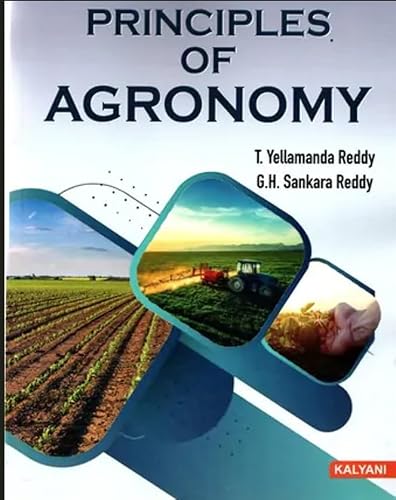
Principles of Agronomy by T. Yellamanda Reddy and G.H. Sankara Reddi
Core
This is the base text for Paper I agronomy. Read the chapters on crop ecology, weather and climate, tillage, cropping and farming systems, dryland agriculture and sustainable agriculture fully; they map almost line by line onto the syllabus.
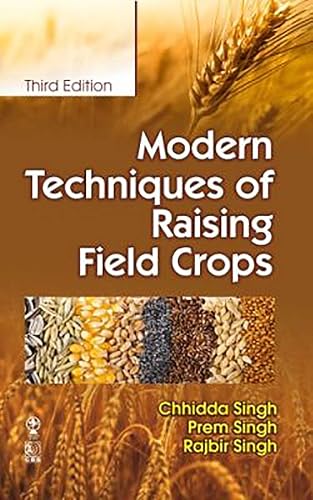
Modern Techniques of Raising Field Crops by Chhidda Singh, Prem Singh and Rajbir Singh
Core
Use this for the package of practices of major kharif and rabi crops: climate, soil, varieties, sowing, nutrient and water management, and yields. Read the cereals, pulses, oilseeds, fibre and sugar crops; make one-page crop sheets for revision.
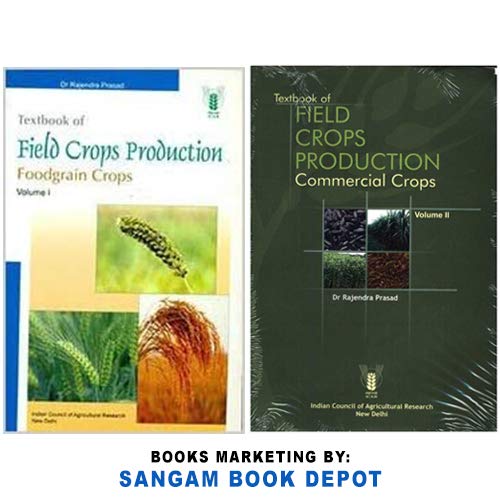
Textbook of Field Crops Production (Vols 1 and 2) by Rajendra Prasad (Ed.)
Alternative
ICAR’s two-volume crop production text, more detailed and more Indian-data heavy than Chhidda Singh. Pick this if you want one authoritative source for crops; read crop chapters selectively, not cover to cover.
Handbook of Agriculture by ICAR
Reference
A one-volume reference covering nearly every unit of both papers. We recommend it for agro-climatic zones, agroforestry, farming systems and quick facts; consult the relevant chapter when a topic is thin in your main book.
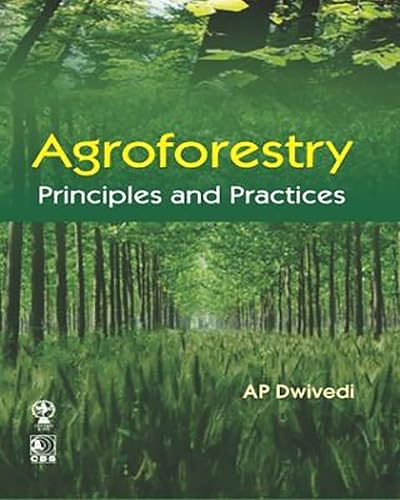
Agroforestry: Principles and Practices by A.P. Dwivedi
Reference
Read the chapters on agroforestry systems, social and farm forestry, multipurpose trees and forest produce. This gives you the classification and Indian examples that UPSC questions on forestry expect.
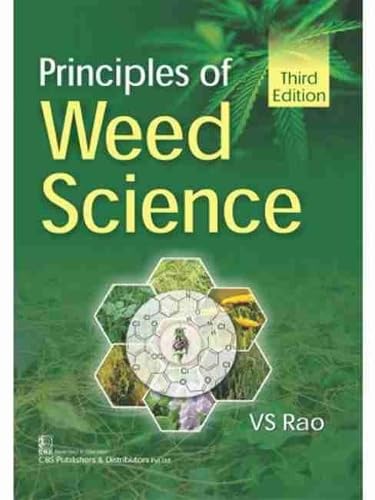
Principles of Weed Science by V.S. Rao
Reference
A standard text for the weeds portion. Read weed biology, crop-weed competition, herbicide classification and integrated weed management; skip the detailed herbicide chemistry.
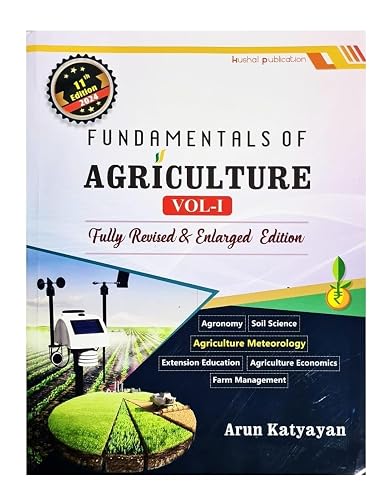
Fundamentals of Agriculture (Vols 1 and 2) by Arun Katyayan
Beginner
Written for ICAR and state agriculture exams, this gives you a quick overview of every agricultural discipline. If you have no agriculture background, read it first to learn the terms, then move to the Core texts.

Preparing for Prelims too?
Our UPSC Prelims Topic-wise PYQ Book covers every Prelims question with detailed explanations, so you can see exactly where UPSC asks from. Now available as a hard copy and an eBook.
Buy Hard Copy on AmazonBuy eBook (PDF)Paper I: Soil Science, Soil and Water Conservation and Irrigation – Best Books
Soil formation and properties, Indian soils, plant nutrients and fertilisers, integrated nutrient management, problem soils, soil conservation, watershed management, irrigation and drainage.
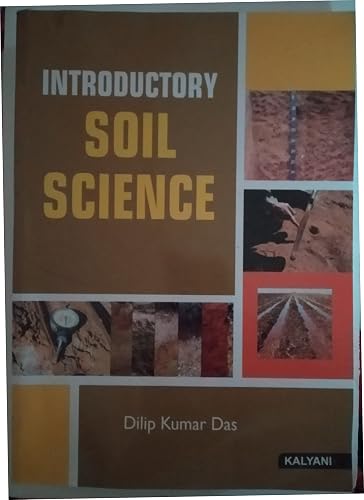
Introductory Soil Science by D.K. Das
Core
Our first choice for soil science. Read soil genesis, physical and chemical properties, soil organic matter, nutrient cycles, fertilisers and manures, problem soils and soil fertility evaluation fully.
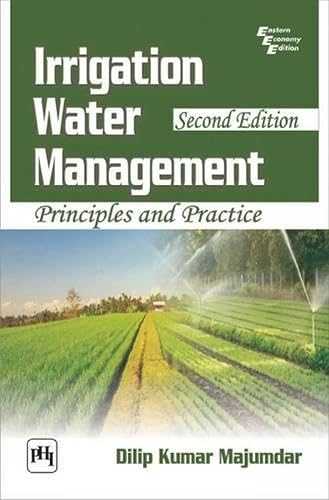
Irrigation Water Management: Principles and Practice by D.K. Majumdar
Core
Covers soil-plant-water relations, water requirement of crops, irrigation scheduling, methods including drip and sprinkler, water quality and drainage. Read it whole; it is compact and matches the irrigation unit closely.
Fundamentals of Soil Science by Indian Society of Soil Science
Alternative
The ISSS textbook is more detailed and authoritative than D.K. Das. Choose it if you have a soil science background or want deeper treatment of soil chemistry, fertility and soil survey.
The Nature and Properties of Soils by Nyle C. Brady and Ray R. Weil
Reference
The classic international soil science text. Consult it for clear diagrams on soil colloids, nutrient cycles and soil organic matter when the Indian books are brief.
Soil and Water Conservation Engineering by R. Suresh
Reference
Read the chapters on soil erosion, conservation measures, watershed management and water harvesting structures. Useful for diagrams and terminology in answers on watersheds and dryland conservation.
Paper I: Farm Management, Agricultural Economics and Extension – Best Books
Farm management and farm economics, agricultural marketing and price policy, crop insurance, extension methods and programmes, KVKs, NGOs and self-help groups.
Agricultural Economics by S. Subba Reddy, P. Raghu Ram, T.V. Neelakanta Sastry and I. Bhavani Devi
Core
Covers farm management, production economics, marketing, finance, cooperation and agricultural policy in one book. Read the farm management, marketing, price policy and crop insurance chapters fully.
Education and Communication for Development by O.P. Dahama and O.P. Bhatnagar
Core
The standard extension education text. Read extension principles, teaching methods, communication, adoption and diffusion, programme planning and evaluation; add the history of extension programmes in India from it.
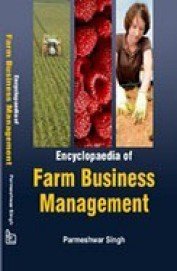
Fundamentals of Farm Business Management by S.S. Johl and T.R. Kapur
Alternative
A long-standing farm management text. Choose it over Subba Reddy for farm management if you prefer more worked examples on farm planning, budgeting and records.
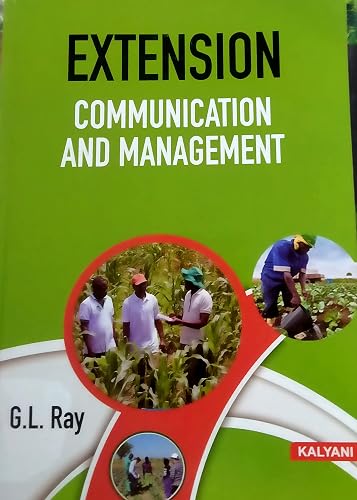
Extension Communication and Management by G.L. Ray
Alternative
Shorter than Dahama and Bhatnagar and easy to revise. Pick it if you want a lighter extension text; its chapters on extension approaches and management are useful for short answers.
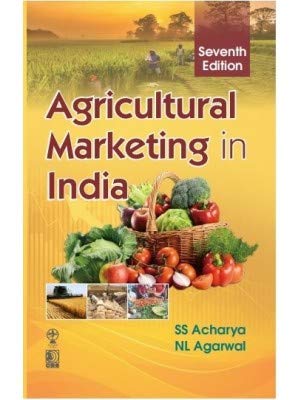
Agricultural Marketing in India by S.S. Acharya and N.L. Agarwal
Reference
Consult it for marketing channels, regulated markets, price policy, MSP and market reforms. Read selectively alongside current material on e-NAM and FPOs.
Economic Survey – Agriculture and Food Management chapter by Ministry of Finance, Government of India
Website
Read the agriculture chapter every year for current data on growth, MSP, crop insurance, irrigation and food management. Quote its figures in both papers, especially in food security answers.
Annual Report, Department of Agriculture and Farmers Welfare by Ministry of Agriculture and Farmers Welfare
Website
The official summary of schemes such as PM-KISAN, PMFBY, soil health cards, KVK-linked programmes and FPOs. Skim it once a year and note scheme names, objectives and recent numbers.
Paper II: Cell Biology, Genetics, Plant Breeding and Seed Technology – Best Books
Cell structure and division, heredity and chromosomal aberrations, plant breeding methods, heterosis, biotechnology and GM crops, and seed production, certification and testing.
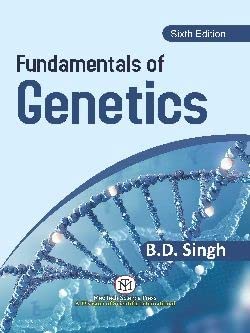
Fundamentals of Genetics by B.D. Singh
Core
Covers Mendelian genetics, linkage, chromosomal aberrations, mutations, cytoplasmic inheritance and the cell cycle. Read it fully; it handles the cell biology and genetics portion of Paper II on its own.
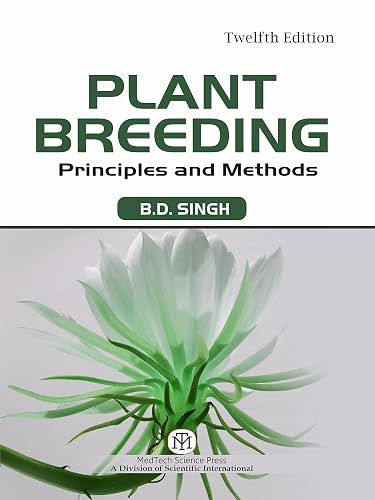
Plant Breeding: Principles and Methods by B.D. Singh
Core
The most used plant breeding text in India. Read modes of reproduction, selection methods, hybridisation, heterosis, polyploidy, mutation breeding, germplasm and molecular breeding fully.
Seed Technology by R.L. Agrawal
Core
Covers seed production, certification, testing, storage and seed legislation. Read it whole and add current notes on the Seeds Act, PPV&FR Act and seed policy.
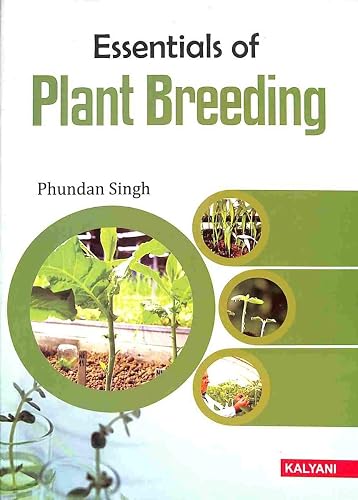
Essentials of Plant Breeding by Phundan Singh
Alternative
Shorter and simpler than B.D. Singh, with clear flow charts. Pick it if you find B.D. Singh too long, or use it for quick revision of breeding methods.
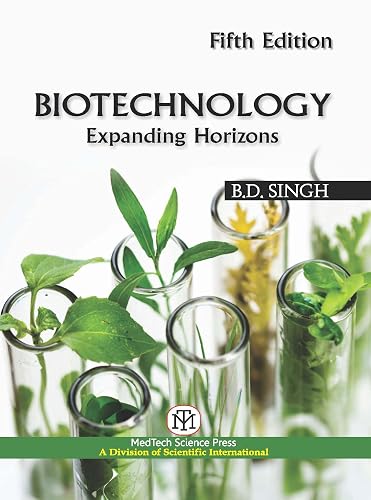
Biotechnology: Expanding Horizons by B.D. Singh
Reference
Consult the chapters on tissue culture, recombinant DNA, transgenic crops and molecular markers. This gives you enough depth for questions on GM crops, biosafety and marker-assisted selection.

Strengthen your GS papers
Our UPSC Mains Topic-wise & Year-wise PYQ Book (2013–2026) maps every GS question to the syllabus, so you know what UPSC asks and how often. Now available as a hard copy and an eBook.
Buy Hard Copy on AmazonBuy eBook (PDF)Paper II: Plant Physiology – Best Books
Water and nutrient uptake, photosynthesis and respiration, metabolism, growth regulators, photoperiodism, dormancy and stress physiology.
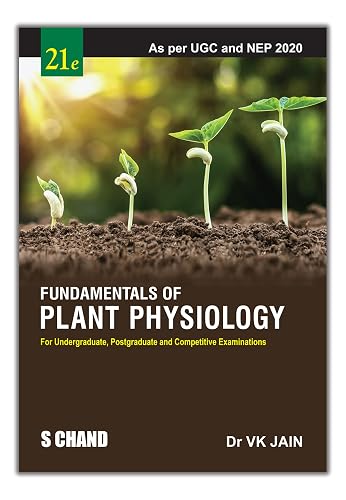
Fundamentals of Plant Physiology by V.K. Jain
Core
A clear, syllabus-friendly physiology text. Read water relations, mineral nutrition, photosynthesis, respiration, nitrogen metabolism, plant growth regulators and stress physiology fully.
Plant Physiology by S.N. Pandey and B.K. Sinha
Alternative
Pick this instead of V.K. Jain if you prefer a more detailed treatment with more diagrams. Read the same chapters; do not read both.
Plant Physiology and Development by Lincoln Taiz, Eduardo Zeiger, Ian Max Møller and Angus Murphy
Reference
The international standard. Consult it for photosynthesis, stress physiology and hormones when you want sharper diagrams and current concepts; do not read it cover to cover.
Paper II: Horticulture and Post-harvest Technology – Best Books
Fruits, vegetables, spices, plantation and flower crops, landscaping, protected cultivation, medicinal plants and post-harvest handling and processing.
Introduction to Horticulture by N. Kumar
Core
The standard first text for the horticulture unit. Read propagation, orchard management, the major fruit and vegetable crops, floriculture and landscaping, and post-harvest chapters.
Handbook of Horticulture by K.L. Chadha (Ed.)
Reference
ICAR’s crop-by-crop reference for fruits, vegetables, spices, plantation, medicinal and flower crops. Consult it for varieties, practices and Indian data on the crops UPSC names.
Postharvest Technology of Fruits and Vegetables (2 vols) by L.R. Verma and V.K. Joshi
Reference
Consult the chapters on maturity indices, handling, storage, packaging and processing. Use it to strengthen answers on post-harvest losses and food processing.
ICAR e-Courses (B.Sc. Agriculture and B.Sc. Horticulture) by ICAR, Agricultural Education Division
Website
Free lecture notes built on the ICAR undergraduate syllabus for agronomy, soils, horticulture, entomology, pathology, extension and economics. Use them to fill gaps in any topic without buying another book.
Paper II: Plant Protection, Food Security and Nutrition – Best Books
Diagnosis and integrated management of pests and diseases, storage pests, biological control, pesticides, and food production, consumption trends, food policy and nutrition.
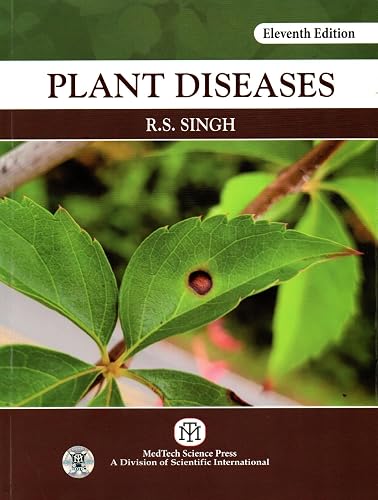
Plant Diseases by R.S. Singh
Core
Crop-wise coverage of the major diseases of Indian crops with causal organisms, symptoms and management. Read the diseases of cereals, pulses, oilseeds, cash crops and major fruits and vegetables.

Agricultural Pests of South Asia and Their Management by A.S. Atwal and G.S. Dhaliwal
Core
The standard Indian text on crop pests. Read pests of major crops, storage pests, IPM, biological control and pesticide chapters; tabulate pest, damage and control for revision.
Elements of Economic Entomology by B. Vasantharaj David and V.V. Ramamurthy
Alternative
Pick this instead of Atwal and Dhaliwal if you want a more compact pest book. It also has useful chapters on insecticides and pest management principles.
TNAU Agritech Portal by Tamil Nadu Agricultural University
Website
A free, crop-wise portal on pests, diseases, nutrient deficiencies and cultivation practices with photographs. Use it to check symptoms and management of a specific pest or disease quickly.
How to use this Agriculture Optional booklist
- Start with the official syllabus and previous years’ questions; you will see that crop-wise package of practices, soils and breeding carry the most weight, so give them the most time.
- Read one Core book per section and make notes; open the Reference books only for topics where your Core book is thin.
- Prepare one-page sheets for each major crop (climate, soil, varieties, sowing, nutrients, water, pests and diseases, yield) so you can use the same sheet in Paper I and Paper II.
- Draw diagrams and flow charts in answers: soil profiles, breeding schemes, irrigation layouts, nutrient cycles and IPM pyramids earn marks quickly.
- Update your notes each year with the Economic Survey agriculture chapter and the DA&FW annual report for schemes, MSP, crop insurance and food security data.
- If you have no agriculture background, read Arun Katyayan or the ICAR e-course notes first to learn the vocabulary before you open the Core texts.
Some books you find useful may not be on this list. Use them if they fall within the syllabus and help you answer previous year questions – that is the only test that matters. If you spot an outdated edition or a broken link, tell us on the Report an Error page.
FAQs
Which are the best books for Agriculture Optional?
Our core picks, section by section – Ecology, Agronomy, Forestry and Weed Science: Principles of Agronomy (T. Yellamanda Reddy and G.H. Sankara Reddi), Modern Techniques of Raising Field Crops (Chhidda Singh, Prem Singh and Rajbir Singh); Soil Science, Soil and Water Conservation and Irrigation: Introductory Soil Science (D.K. Das), Irrigation Water Management: Principles and Practice (D.K. Majumdar); Farm Management, Agricultural Economics and Extension: Agricultural Economics (S. Subba Reddy, P. Raghu Ram, T.V. Neelakanta Sastry and I. Bhavani Devi), Education and Communication for Development (O.P. Dahama and O.P. Bhatnagar); Cell Biology, Genetics, Plant Breeding and Seed Technology: Fundamentals of Genetics (B.D. Singh), Plant Breeding: Principles and Methods (B.D. Singh), Seed Technology (R.L. Agrawal); Plant Physiology: Fundamentals of Plant Physiology (V.K. Jain); Horticulture and Post-harvest Technology: Introduction to Horticulture (N. Kumar); Plant Protection, Food Security and Nutrition: Plant Diseases (R.S. Singh), Agricultural Pests of South Asia and Their Management (A.S. Atwal and G.S. Dhaliwal). Each book above is tagged Core, Alternative, Reference, Beginner or Website, so you know what to read first.
Which book should I start Agriculture Optional with?
If you are new to the subject, begin with Fundamentals of Agriculture (Vols 1 and 2) (Arun Katyayan), and then move to the Core books for each section.
Do I need to read every book on this list?
No. Read the Core books fully, choose only one book wherever we list an Alternative, and use Reference books only for specific topics. Keep your sources few and revise them several times.
Where can I find Agriculture Optional previous year questions?
All Agriculture Optional PYQs are on our topic-wise PYQs page, and full papers are on the year-wise question papers page. The syllabus page breaks each unit into numbered topics.
Last updated: 2 November 2026