
This is our booklist for Economics Optional, covering Paper I (Advanced Micro and Macro Economics, Money, Banking and Finance, International Economics, Growth and Development) and Paper II (Indian Economy before and after Independence). Paper I is theory-heavy and needs standard textbooks, while Paper II needs one good book plus current data. Each entry carries a priority tag so you know what to read fully and what to consult.
Use this booklist together with the Economics Optional syllabus, the topic-wise PYQs and the year-wise question papers. The previous year questions show you which chapters of these books UPSC actually asks from.
Jump to: Paper I: Advanced Microeconomics · Paper I: Advanced Macroeconomics; Money, Banking and Finance · Paper I: International Economics · Paper I: Growth and Development · Paper II: Indian Economy in the Pre-Independence Era · Paper II: Indian Economy after Independence
Some links on this page are Amazon affiliate links. If you buy through them, we may earn a small commission at no extra cost to you.
Paper I: Advanced Microeconomics – Best Books
Marshallian, Walrasian and Sraffian approaches to price determination, theories of distribution, market structures, and welfare economics including Pareto optimality, Arrow and Sen.
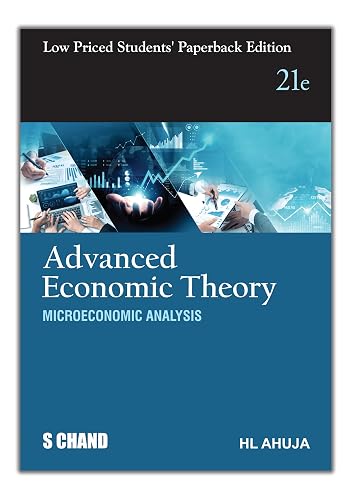
Advanced Economic Theory: Microeconomic Analysis by H.L. Ahuja
Core
This is the main microeconomics book for almost every topper. It covers price determination, market structures, theories of distribution, rent and quasi-rent, product exhaustion and welfare economics. Read the syllabus chapters fully and practise the derivations.
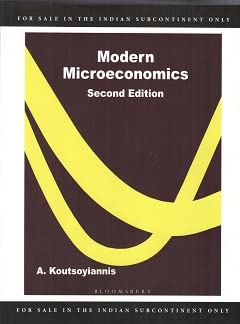
Modern Microeconomics by A. Koutsoyiannis
Alternative
Koutsoyiannis is rigorous on market structures and theories of the firm. Pick it instead of Ahuja if you have an economics background, or use its chapters on oligopoly and distribution for depth.
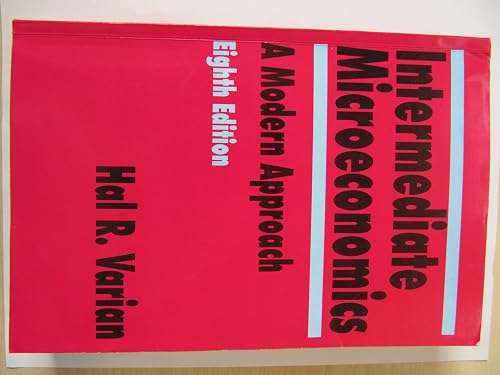
Intermediate Microeconomics: A Modern Approach by Hal R. Varian
Reference
Varian is clear and diagram-based. Consult it for general equilibrium, welfare economics and game theory topics when you want a modern explanation.
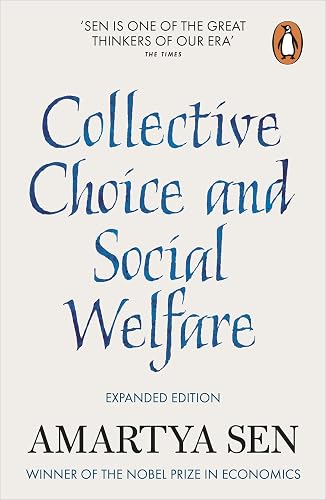
Collective Choice and Social Welfare (Expanded Edition) by Amartya Sen
Reference
This is the original source for Arrow’s impossibility theorem and Sen’s social welfare function. You only need the relevant chapters; toppers note that standard textbooks treat these topics briefly.
NCERT Class XII: Introductory Microeconomics and Introductory Macroeconomics by NCERT
Beginner
If you are from a non-economics background, read both Class XII NCERTs first. They give you the basic concepts and diagrams you need before Ahuja and Froyen.
IGNOU MA Economics: MEC-001 Microeconomic Analysis by IGNOU School of Social Sciences
Website
IGNOU’s MA microeconomics course is free and close to the UPSC level. We recommend it for topics such as general equilibrium and welfare economics where you want a second, compact explanation.

Preparing for Prelims too?
Our UPSC Prelims Topic-wise PYQ Book covers every Prelims question with detailed explanations, so you can see exactly where UPSC asks from. Now available as a hard copy and an eBook.
Buy Hard Copy on AmazonBuy eBook (PDF)Paper I: Advanced Macroeconomics; Money, Banking and Finance – Best Books
Approaches to employment, income and interest rate determination (classical, Keynesian, neo-classical synthesis, new classical), money demand and supply, money multiplier, monetary policy, financial markets, and public finance.
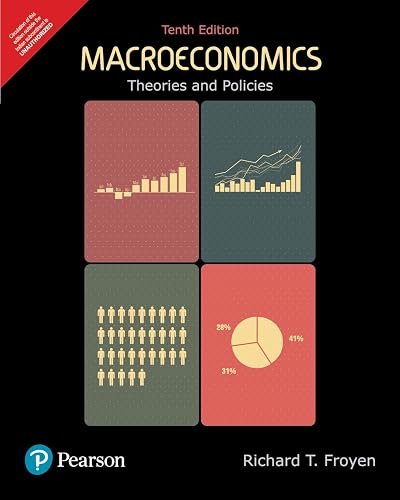
Macroeconomics: Theories and Policies by Richard T. Froyen
Core
Froyen is the main macroeconomics book because it follows the schools of thought in the order the syllabus lists them. Read the chapters on classical, Keynesian, monetarist, new classical and new Keynesian economics fully.
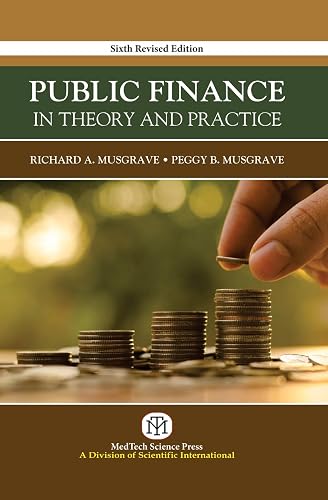
Public Finance in Theory and Practice by Richard A. Musgrave and Peggy B. Musgrave
Core
This is the standard book for the public finance part of the syllabus. Read the chapters on the role of government, public goods, taxation, incidence, budgets and fiscal policy rather than the whole book.
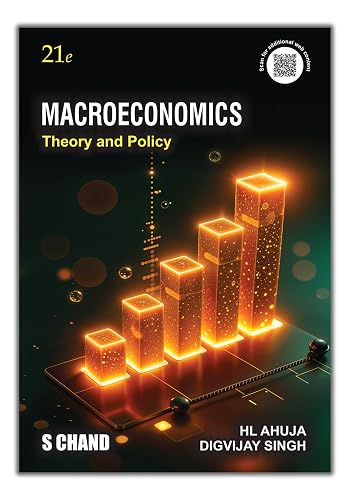
Macroeconomics: Theory and Policy by H.L. Ahuja
Alternative
Ahuja’s macro book is easier than Froyen and covers money demand theories such as Baumol and Tobin well. Use it as a first read or to fill gaps, but add Froyen for the depth UPSC expects.
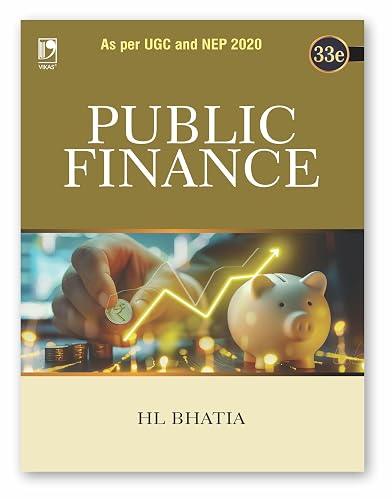
Public Finance by H.L. Bhatia
Alternative
Bhatia covers public finance from an Indian angle in simple language. Pick it instead of Musgrave if you want a quicker read, and use it for Indian fiscal examples.
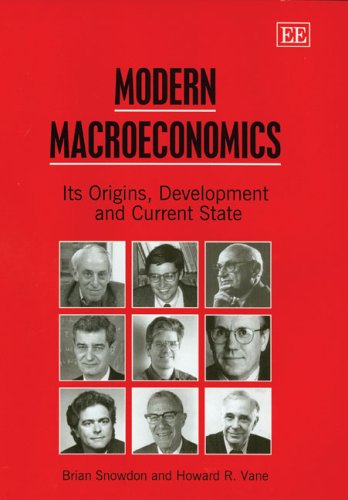
Modern Macroeconomics: Its Origins, Development and Current State by Brian Snowdon and Howard R. Vane
Reference
Snowdon and Vane give the best account of how the schools of macroeconomics developed. Toppers read only the first five chapters, which match the syllabus closely.
Monetary Economics: Institutions, Theory and Policy by Suraj B. Gupta
Reference
Consult this for money supply, the money multiplier and the working of the RBI and Indian financial markets. It links theory to Indian institutions well.
Reserve Bank of India publications by Reserve Bank of India
Website
Follow the RBI’s monetary policy statements, Annual Report and Financial Stability Report. They give current data and examples for monetary policy, inflation targeting and financial-sector questions.
IGNOU MA Economics: MEC-002 Macroeconomic Analysis and MEC-006 Public Economics by IGNOU School of Social Sciences
Website
These IGNOU courses cover macroeconomic schools and public finance at the right level. We recommend them as a free second source for difficult chapters.
Paper I: International Economics – Best Books
Theories of trade, terms of trade, tariffs and protection, balance of payments adjustment, exchange rates, open-economy macroeconomics, and global institutions and trade blocs.
International Economics by Dominick Salvatore
Core
Salvatore is the only book most toppers use for this unit and it needs more than one reading. It covers trade theories, trade policy, balance of payments, exchange rates and the Mundell–Fleming model.
International Economics: Theory and Policy by Paul R. Krugman, Maurice Obstfeld and Marc J. Melitz
Reference
Krugman is useful for new trade theory and for currency crises such as speculative attack models. Consult those chapters only.
IGNOU MA Economics: MEC-007 International Trade and Finance by IGNOU School of Social Sciences
Website
This course gives a concise treatment of trade theory and international finance. We recommend it for quick revision of models you have read in Salvatore.
World Trade Organization by WTO
Website
Use the WTO site for current trade negotiations, disputes and agreements. A few recent examples make your answers on global institutions and protectionism stronger.
Paper I: Growth and Development – Best Books
Theories of growth (Harrod–Domar, Solow, endogenous growth), human capital and R&D, theories of development (Lewis, Myrdal, Kuznets), trade and aid, planning, welfare indicators and sustainable development.
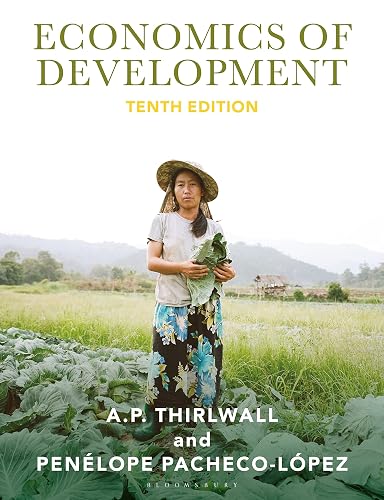
Economics of Development: Theory and Evidence by A.P. Thirlwall and Penélope Pacheco-López
Core
Thirlwall (earlier titled Growth and Development) is the main book for this unit. It covers growth models, the Lewis model, Myrdal, Kuznets, trade and development and measures of welfare. Read the syllabus chapters fully.
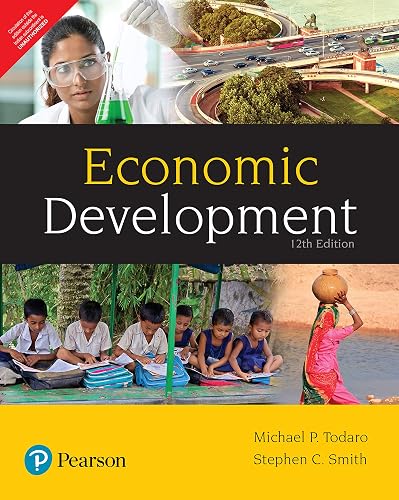
Economic Development by Michael P. Todaro and Stephen C. Smith
Alternative
Todaro is broader and more policy-oriented than Thirlwall. Pick it if you prefer its style, or use its chapters on poverty, inequality, human capital and environment.
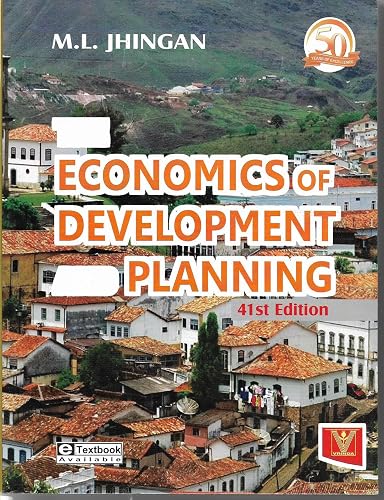
The Economics of Development and Planning by M.L. Jhingan
Alternative
Jhingan covers the classical development theories and planning in simple language. Some toppers have used it as their main source for development; it is a good first read.
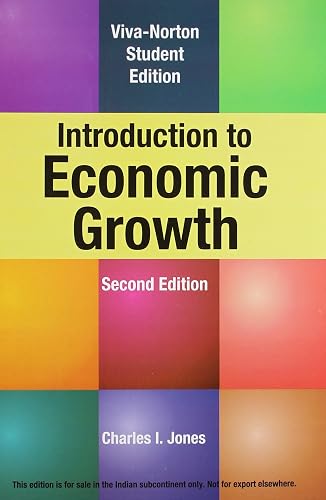
Introduction to Economic Growth by Charles I. Jones and Dietrich Vollrath
Reference
Consult this for the Solow model with human capital and for endogenous growth and R&D, which Thirlwall covers briefly. The early chapters are enough.
Intermediate Environmental Economics by Charles D. Kolstad
Reference
Use this for the sustainable development and environment topics: externalities, pollution control instruments and valuation. Read the relevant chapters only.

Strengthen your GS papers
Our UPSC Mains Topic-wise & Year-wise PYQ Book (2013–2026) maps every GS question to the syllabus, so you know what UPSC asks and how often. Now available as a hard copy and an eBook.
Buy Hard Copy on AmazonBuy eBook (PDF)Paper II: Indian Economy in the Pre-Independence Era – Best Books
Land systems and their changes, commercialisation of agriculture, drain theory, laissez-faire theory and its critique, manufacture and transport (jute, cotton, railways), and money and credit.
The Economic History of India, 1857–2010 by Tirthankar Roy
Core
This is the standard book for the pre-Independence part of Paper II. It covers agriculture, land systems, industry, railways and money and credit in the colonial period. Read the colonial-era chapters fully.
The Rise and Growth of Economic Nationalism in India by Bipan Chandra
Reference
Consult this for drain theory and the nationalist critique of laissez-faire. It gives you the arguments of Naoroji, Ranade and others in their own terms.
NCERT Class XI: Indian Economic Development (Chapter 1) by NCERT
Beginner
Read the first chapter on the Indian economy on the eve of Independence for a quick overview before Tirthankar Roy. The later chapters help with Paper II’s post-Independence part.
Paper II: Indian Economy after Independence – Best Books
Pre-liberalisation era (Vakil, Gadgil and V.K.R.V. Rao, agriculture, industry, national income, poverty) and post-liberalisation era (new economic reforms, agriculture, industry, trade, money and banking, inflation, fiscal policy, budget and taxation).
Indian Economy: Performance and Policies by Uma Kapila (ed.)
Core
This is the core book for the post-Independence part and is updated every year. Its edited chapters cover planning, agriculture, industry, trade, money, banking and fiscal policy. Read the latest edition and add data from the Economic Survey.
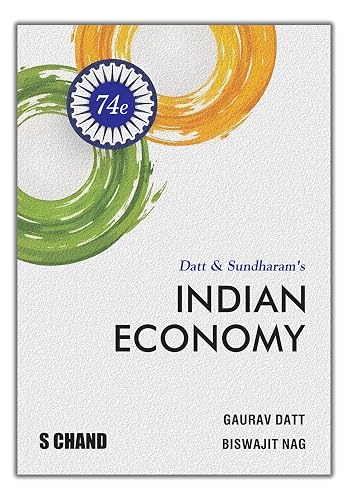
Datt & Sundharam’s Indian Economy by Gaurav Datt and Ashwani Mahajan
Alternative
This regularly revised textbook covers the whole Indian economy in a structured way. Pick it if you find Uma Kapila’s edited chapters uneven or want one consistent voice.
Economic Survey and Union Budget by Ministry of Finance, Government of India
Website
Read the latest Economic Survey and the Budget speech every year. They give you the data, reforms and policy arguments examiners expect in Paper II answers.
Ideas for India by Ideas for India (I4I) editors and contributors
Website
This site publishes short articles by leading economists on Indian policy. Toppers use it for research-based arguments on agriculture, labour, poverty and reforms.
Economic and Political Weekly (EPW) by Sameeksha Trust
Website
EPW carries research papers and commentary on the Indian economy. Read selected articles on topics where you need more than textbook depth, such as the contributions of Vakil, Gadgil and V.K.R.V. Rao.
IGNOU MA Economics: MEC-205 Indian Economic Policy by IGNOU School of Social Sciences
Website
This course gives an MA-level overview of Indian economic policy since Independence. We recommend it for planning, agrarian and industrial policy chapters.
How to use this Economics Optional booklist
- If you are from a non-economics background, start with the Class XII NCERTs, then move to Ahuja for micro and Froyen for macro.
- Paper I rewards diagrams and derivations; practise drawing them and solving the numericals in past papers.
- Read the standard book for each Paper I unit (Ahuja, Froyen, Musgrave, Salvatore, Thirlwall) two or three times rather than adding more books.
- For Paper II, read Uma Kapila for the structure and update every topic with Economic Survey and Budget data from the latest year.
- Link theory to India: use Paper I models to explain Indian policy questions in Paper II, and Indian examples in Paper I answers.
- Practise previous years’ questions topic-wise; some topics (Vakil, Gadgil, V.K.R.V. Rao) have no single book, so make your own short notes.
Some books you find useful may not be on this list. Use them if they fall within the syllabus and help you answer previous year questions – that is the only test that matters. If you spot an outdated edition or a broken link, tell us on the Report an Error page.
FAQs
Which are the best books for Economics Optional?
Our core picks, section by section – Advanced Microeconomics: Advanced Economic Theory: Microeconomic Analysis (H.L. Ahuja); Advanced Macroeconomics; Money, Banking and Finance: Macroeconomics: Theories and Policies (Richard T. Froyen), Public Finance in Theory and Practice (Richard A. Musgrave and Peggy B. Musgrave); International Economics: International Economics (Dominick Salvatore); Growth and Development: Economics of Development: Theory and Evidence (A.P. Thirlwall and Penélope Pacheco-López); Indian Economy in the Pre-Independence Era: The Economic History of India, 1857–2010 (Tirthankar Roy); Indian Economy after Independence: Indian Economy: Performance and Policies (Uma Kapila (ed.)). Each book above is tagged Core, Alternative, Reference, Beginner or Website, so you know what to read first.
Which book should I start Economics Optional with?
If you are new to the subject, begin with NCERT Class XII: Introductory Microeconomics and Introductory Macroeconomics (NCERT), NCERT Class XI: Indian Economic Development (Chapter 1) (NCERT), and then move to the Core books for each section.
Do I need to read every book on this list?
No. Read the Core books fully, choose only one book wherever we list an Alternative, and use Reference books only for specific topics. Keep your sources few and revise them several times.
Where can I find Economics Optional previous year questions?
All Economics Optional PYQs are on our topic-wise PYQs page, and full papers are on the year-wise question papers page. The syllabus page breaks each unit into numbered topics.
Last updated: 2 November 2026