
This is our booklist for Anthropology Optional, arranged by the UPSC syllabus: Paper I (biological anthropology and archaeology; socio-cultural anthropology and theories) and Paper II (Indian society and culture; tribal India). We tag each book by priority and tell you which chapters matter, so you can finish one source per unit and revise it well.
Use this booklist together with the Anthropology Optional syllabus, the topic-wise PYQs and the year-wise question papers. The previous year questions show you which chapters of these books UPSC actually asks from.
Jump to: Paper I: Foundations, Biological Anthropology and Prehistoric Archaeology (units 1 and 12–17) · Paper I: Socio-cultural Anthropology, Theories and Research Methods (units 2–11) · Paper II: Indian Society and Culture (units 1–5) · Paper II: Tribal India (units 6–9)
Some links on this page are Amazon affiliate links. If you buy through them, we may earn a small commission at no extra cost to you.
Paper I: Foundations, Biological Anthropology and Prehistoric Archaeology (units 1 and 12–17) – Best Books
Meaning and branches of anthropology, human evolution, primates, fossil hominids, biological basis of life, prehistoric archaeology, human genetics, race, genetic markers, growth and development, demography and applications of anthropology.
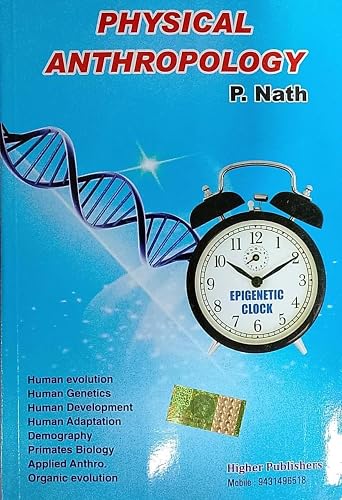
Physical Anthropology by P. Nath
Core
The standard book for the biological side of Paper I. Read the chapters on primates, fossil man, evolution, human genetics, race and growth; skip the detailed anthropometry and laboratory sections.
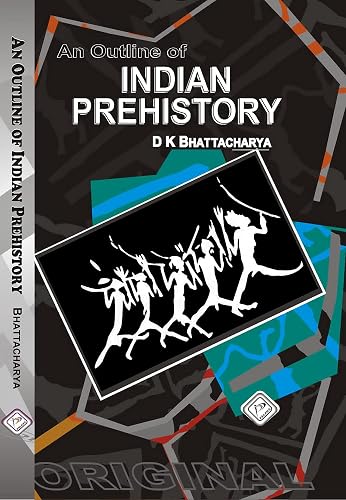
An Outline of Indian Prehistory by D.K. Bhattacharya
Core
Our pick for prehistoric archaeology. Read the chapters on dating methods, the Palaeolithic, Mesolithic and Neolithic cultures, and Indian sites; it also serves Paper II unit 1.
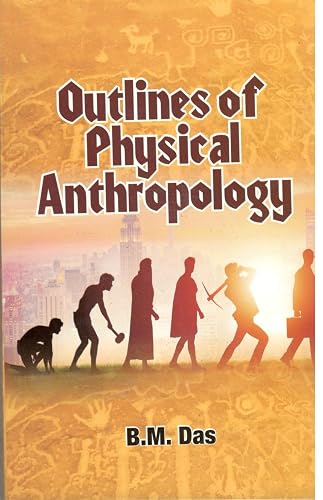
Outlines of Physical Anthropology by B.M. Das
Alternative
Pick this or P. Nath, not both. It is shorter and easier to revise from, with clear coverage of evolution, race and genetics.
IGNOU MANI-002: Physical Anthropology by IGNOU
Reference
Free MA units on evolution, primates, fossils and human variation. Use them to fill gaps after your main book.
IGNOU MAN-002: Archaeological Anthropology by IGNOU
Reference
Free units on dating methods, stone tool typology and prehistoric cultures, with useful diagrams.
IGNOU MANE-001: Human Genetics by IGNOU
Reference
We recommend these units for the genetics topics: methods of study, Mendelian inheritance, Hardy-Weinberg law, chromosomal aberrations and genetic markers.
IGNOU MANE-002: Human Growth and Development by IGNOU
Reference
Free units on growth stages, factors affecting growth, somatotyping and the relevance of menarche and menopause.
IGNOU MANI-003: Practicing Anthropology by IGNOU
Reference
Use it for the applications of anthropology unit: forensic, medical, business and designing anthropology, and applied genetics.
Biology (Class XII), Chapter 6: Evolution by NCERT
Beginner
Read this chapter first if you have no biology background. It explains natural selection, origin of life and the outline of human evolution.
Biology (Class XII), Chapter 4: Principles of Inheritance and Variation by NCERT
Beginner
A short base for human genetics: Mendel’s laws, chromosomal theory, pedigree analysis and chromosomal disorders.

Preparing for Prelims too?
Our UPSC Prelims Topic-wise PYQ Book covers every Prelims question with detailed explanations, so you can see exactly where UPSC asks from. Now available as a hard copy and an eBook.
Buy Hard Copy on AmazonBuy eBook (PDF)Paper I: Socio-cultural Anthropology, Theories and Research Methods (units 2–11) – Best Books
Nature of culture, marriage, family, kinship, economic and political organisation, religion, anthropological theories, culture and language, and research methods.
Anthropology by Carol R. Ember, Melvin Ember and Peter N. Peregrine
Core
Read this first for the socio-cultural half: culture, marriage, family, kinship, economic and political organisation and religion, with cross-cultural examples you can quote.
An Introduction to Social Anthropology by D.N. Majumdar and T.N. Madan
Core
Use it for definitions and Indian examples on marriage, family, kinship and religion. It adds the Indian angle that Ember lacks.
An Introduction to Anthropological Thought by Makhan Jha
Core
Our main book for the theories unit: evolutionism, diffusionism, functionalism, structural functionalism, structuralism, culture and personality, neo-evolutionism and later schools. Read it twice.
History of Anthropological Thought by V.S. Upadhyay and Gaya Pandey
Alternative
Pick this or Makhan Jha. It is more detailed on each thinker, so it suits you if you want depth for 20-mark theory questions.
Anthropology Simplified by Vivek Bhasme
Alternative
A revision-oriented book covering both papers in points and diagrams. Use it after your standard reading to structure answers, not as your first source.
IGNOU MAN-001: Social Anthropology by IGNOU
Reference
Free MA units on culture, social institutions and kinship. Use them to fill gaps in Ember and Majumdar.
IGNOU MANI-001: Anthropology and Methods of Research by IGNOU
Reference
We recommend these units for research methods: fieldwork tradition, participant observation, interview, case study, genealogy and life history.
Paper II: Indian Society and Culture (units 1–5) – Best Books
Evolution of Indian culture and civilisation, palaeo-anthropological evidence, ethno-archaeology, demographic profile, the traditional social system and caste, growth of anthropology in India, the Indian village, minorities and processes of socio-cultural change.
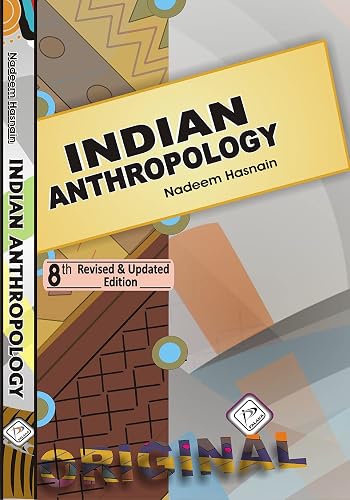
Indian Anthropology by Nadeem Hasnain
Core
The core book for Paper II. It covers caste, village studies, the sacred complex, Indian anthropologists and the processes of change such as Sanskritisation and Westernisation; read it fully.
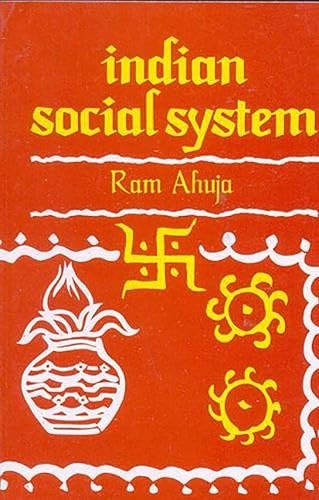
Indian Social System by Ram Ahuja
Reference
Consult it for the caste system and for social change processes, where it adds data and examples to Hasnain.
IGNOU BANC-114: Anthropology of India by IGNOU
Reference
Free units on Indian civilisation, village studies, caste and the growth of anthropology in India. Use them to fill gaps.
Indian Society (Class XII) by NCERT
Beginner
Read it first for the demographic structure, caste, tribe and family in India.
Anthropological Survey of India by Ministry of Culture
Website
Follow it for the People of India project, ethnographic studies and news on Indian human remains and fossils.
Census of India by Office of the Registrar General and Census Commissioner
Website
Use it for data on population, sex ratio, scheduled tribes and linguistic and religious minorities.

Strengthen your GS papers
Our UPSC Mains Topic-wise & Year-wise PYQ Book (2013–2026) maps every GS question to the syllabus, so you know what UPSC asks and how often. Now available as a hard copy and an eBook.
Buy Hard Copy on AmazonBuy eBook (PDF)Paper II: Tribal India (units 6–9) – Best Books
Tribal situation, problems of tribal communities, development projects and displacement, constitutional safeguards, social change and ethnicity, tribe and nation-state, tribal administration and policy, and the role of anthropology in development.
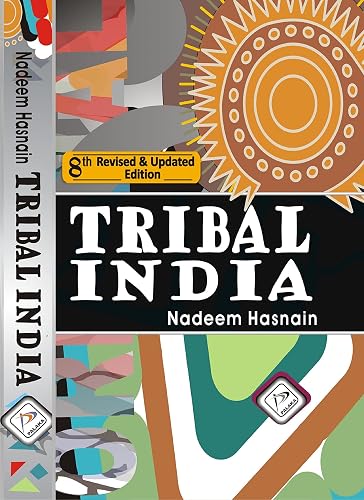
Tribal India by Nadeem Hasnain
Core
Our main book for the tribal units: classification, problems, displacement, tribal movements, policies and administration. Read it fully and add current examples.
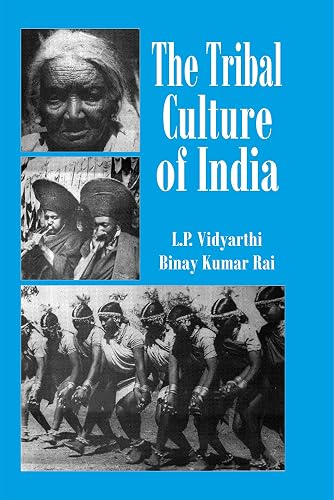
The Tribal Culture of India by L.P. Vidyarthi and B.K. Rai
Reference
Consult it for the classification of Indian tribes, cultural types and the history of tribal studies in India.
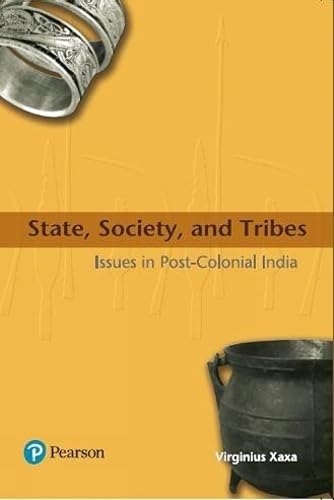
State, Society and Tribes by Virginius Xaxa
Reference
Read it with the Xaxa Committee report for the tribe and nation-state debate, tribal identity and integration versus autonomy.
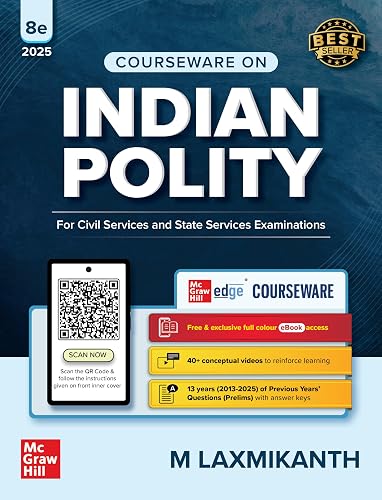
Indian Polity by M. Laxmikanth
Reference
Use only the chapters on the Fifth and Sixth Schedules, scheduled areas, PESA and the National Commissions for SCs and STs for the constitutional safeguards topic.
IGNOU MANE-007: Tribes in India by IGNOU
Reference
Free units on tribal communities, their problems, development and policy. Use them for short notes and gaps.
Ministry of Tribal Affairs by Government of India
Website
Use its Annual Report, scheme pages and statistics for tribal policy, PVTGs and the Forest Rights Act; read the 2014 Xaxa Committee report on tribal socio-economic, health and educational status for Paper II case material.
How to use this Anthropology Optional booklist
- Read in this order: Ember, then P. Nath, then Makhan Jha, then prehistory and genetics, then Nadeem Hasnain for Paper II.
- Keep one source per unit and finish it; use the free IGNOU MA and BSc units only to fill gaps.
- Build a diagram file as you read (primate skulls, fossil features, stone tools, pedigree charts, kinship diagrams); diagrams are cheap marks in Paper I.
- For Paper II, collect tribal case studies from newspapers, the Ministry of Tribal Affairs and the Xaxa Committee report, and quote them in answers.
- Link the two papers: use Paper I theories and concepts (for example Redfield’s great and little traditions or Srinivas’s Sanskritisation) to explain Indian examples in Paper II.
Some books you find useful may not be on this list. Use them if they fall within the syllabus and help you answer previous year questions – that is the only test that matters. If you spot an outdated edition or a broken link, tell us on the Report an Error page.
FAQs
Which are the best books for Anthropology Optional?
Our core picks, section by section – Foundations, Biological Anthropology and Prehistoric Archaeology (units 1 and 12–17): Physical Anthropology (P. Nath), An Outline of Indian Prehistory (D.K. Bhattacharya); Socio-cultural Anthropology, Theories and Research Methods (units 2–11): Anthropology (Carol R. Ember, Melvin Ember and Peter N. Peregrine), An Introduction to Social Anthropology (D.N. Majumdar and T.N. Madan), An Introduction to Anthropological Thought (Makhan Jha); Indian Society and Culture (units 1–5): Indian Anthropology (Nadeem Hasnain); Tribal India (units 6–9): Tribal India (Nadeem Hasnain). Each book above is tagged Core, Alternative, Reference, Beginner or Website, so you know what to read first.
Which book should I start Anthropology Optional with?
If you are new to the subject, begin with Biology (Class XII), Chapter 6: Evolution (NCERT), Biology (Class XII), Chapter 4: Principles of Inheritance and Variation (NCERT), Indian Society (Class XII) (NCERT), and then move to the Core books for each section.
Do I need to read every book on this list?
No. Read the Core books fully, choose only one book wherever we list an Alternative, and use Reference books only for specific topics. Keep your sources few and revise them several times.
Where can I find Anthropology Optional previous year questions?
All Anthropology Optional PYQs are on our topic-wise PYQs page, and full papers are on the year-wise question papers page. The syllabus page breaks each unit into numbered topics.
Last updated: 2 November 2026